
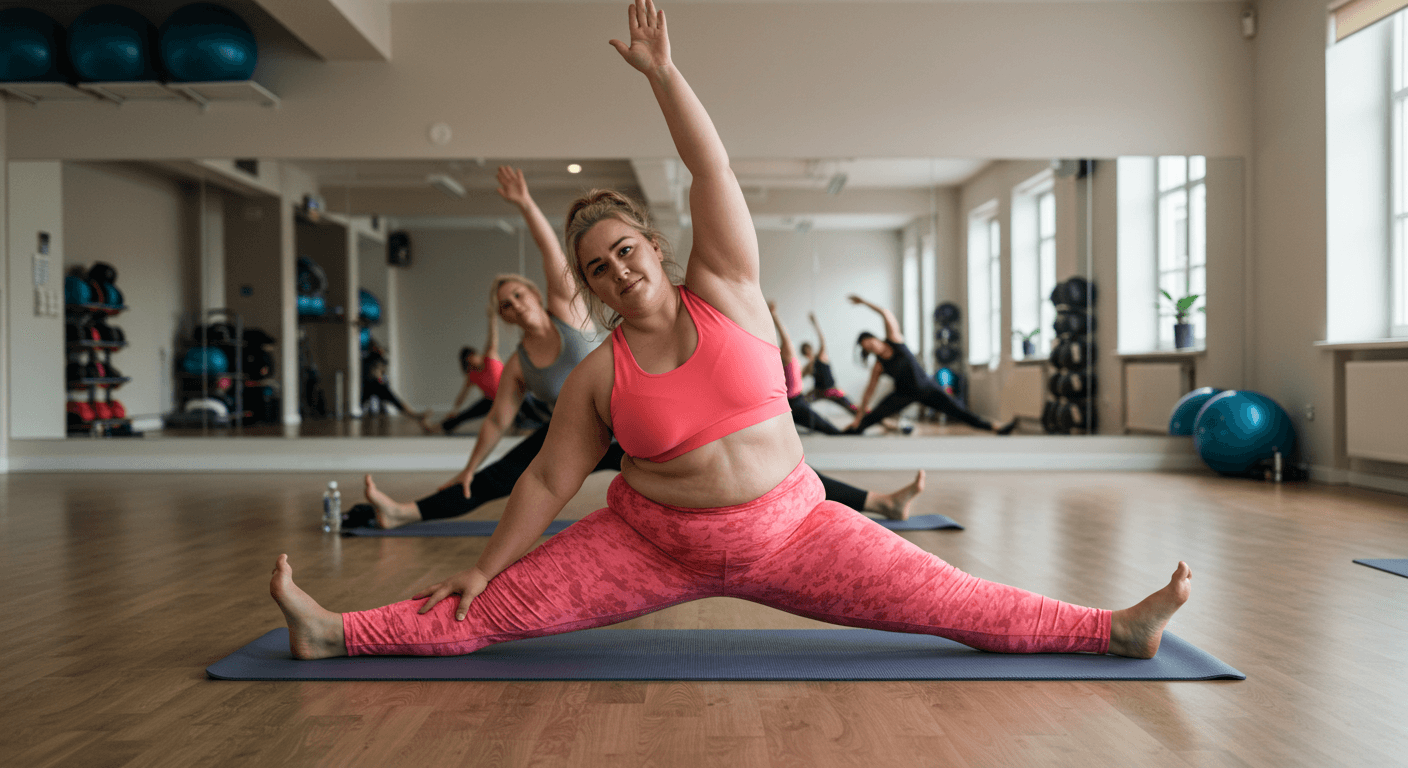
Let’s be real: losing weight can feel like trying to find a unicorn in a haystack. You might have tried every fad diet known to humankind, from cabbage soup to the “I only eat air” diet (which I do not recommend). But fear not! I've got some practical and surprisingly fun weight loss tips that could make your journey a bit easier. So, grab a snack—maybe something healthy—and let’s dive into this adventure together!
Top Takeaways and Key Concepts
- Write down your reasons for losing weight to stay focused and motivated.
- Set small, realistic goals and celebrate each milestone to build momentum.
- Add enjoyable daily movement like walking or dancing to stay active consistently.
- Use smaller plates and eat slowly to manage portions and prevent overeating.
- Drink water before meals to reduce hunger and improve digestion naturally.
Article Summary
This lively and encouraging article makes weight loss feel practical and fun instead of overwhelming. It begins by emphasizing the power of understanding your personal “why,” using that motivation to stay strong when temptation strikes. It then stresses setting achievable goals, celebrating small victories, and focusing on steady, sustainable progress. The piece offers simple activity tips—like walking or dancing daily—to make fitness enjoyable, along with portion control strategies using smaller plates and mindful eating. Hydration is highlighted as an easy yet powerful habit to manage appetite and support digestion. Together, these steps promote realistic, lasting lifestyle changes rather than short-term dieting struggles.
Video Summary
1. Understand Your Why

Studies suggest that if you write down your reasons for dieting, you're more likely to stick to it—so if your main motivation is “to eat more pizza without guilt,” maybe just embrace the cheese and call it a lifestyle choice!
“I’m on the patch right now. It’s like a nicotine patch, but for food.” —Jared Leto
First off, why do you want to lose weight? Is it for health reasons, fitting into those jeans you love, or maybe just because your doctor said so? Understanding your motivation is crucial. When you know why you're doing this, it becomes less of a chore and more of an exciting challenge.
Imagine waking up each day with a clear purpose, like the sun rising on a brand-new adventure. It’s like having your own personal cheerleader right there in your head, pom-poms and all! You know that feeling when you’re about to tackle something challenging? That little voice inside cheering you on can make all the difference. When you’ve got a solid reason for wanting to lose weight—whether it’s fitting into that favorite dress or simply feeling healthier—you create an anchor for yourself.
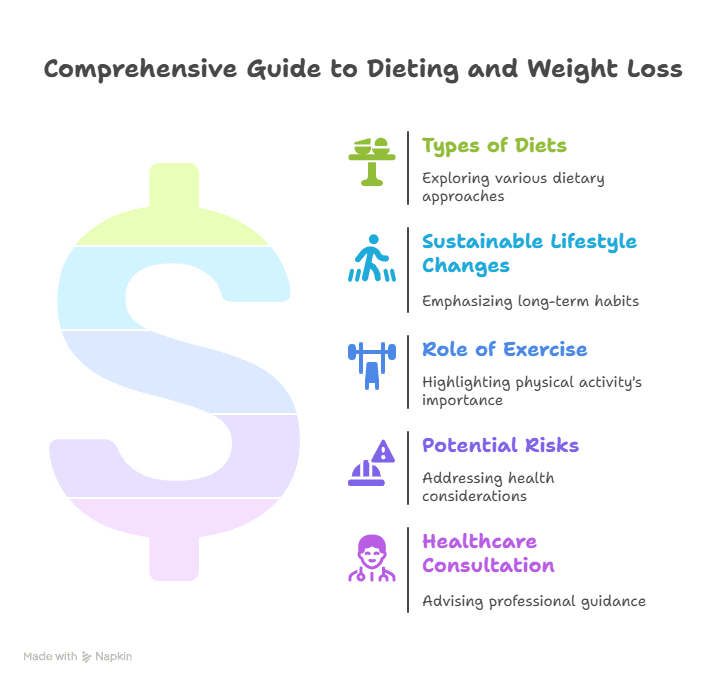
And let’s be real: we all have those moments when temptation knocks loudly at our door, especially when cookies are calling your name like they’re old friends inviting you to a party. In those times of weakness, remembering your “why” is crucial. It’s like having an emergency plan tucked away in your back pocket! Instead of succumbing to the sweet siren song of sugary treats, you can pull out that mental reminder and think about how good it feels to stay committed to your goals.
Honestly, keeping that reason front and center acts as a powerful shield against temptation. Think of it as wearing armor made of determination—it protects you from falling into old habits or giving in to cravings that don’t align with what you truly want. The next time you're faced with a plate of cookies or an extra slice of cake at a party, ask yourself if that momentary indulgence aligns with your ultimate goal. Does it help propel you toward where you want to be? Or does it just feel good for five seconds before regret sets in?
By anchoring yourself in your motivations, not only do you cultivate resilience, but also build self-awareness. You start recognizing patterns in your eating habits and emotions tied to food choices. And guess what? That kind of awareness is empowering! Instead of mindlessly munching away while binge-watching another season of *whatever show is trending*, you'll find yourself choosing snacks more thoughtfully.
So every morning when the alarm goes off (and yes, I know that's not everyone’s favorite part), take a moment before diving into the day’s chaos. Reflect on why you're on this journey; visualize achieving your goals and how amazing it'll feel once you've done so. This simple practice can transform those moments of struggle into opportunities for growth—because who doesn’t want to be their own biggest fan?
2. Set Realistic Goals

Research shows that people who set realistic goals for weight loss are more successful—so instead of aiming to lose 20 pounds in a week, try “not finishing an entire pizza in one sitting.” Progress!
“Every time I go on a diet, I end up eating my way through the grocery store. It’s like a buffet!” —Oprah Winfrey
Now, let’s talk about goals. Setting realistic ones is key! If you aim to lose ten pounds in one week, well… let’s just say that sounds like a recipe for disaster (and possibly extreme hunger). Instead, consider aiming for one to two pounds per week.
This way, you’re giving yourself time to adjust and celebrate small victories along the way. Imagine this: every pound lost is like a mini trophy, a reason to high-five yourself in the mirror as if you just won an Olympic gold medal! Seriously, how often do we take a moment to recognize our achievements? It’s so easy to get caught up in the big picture—losing twenty pounds or fitting into those jeans from college—that we forget to acknowledge the tiny steps that lead us there. Each little victory counts, whether it’s saying no to that second slice of pizza or choosing a salad instead of fries.
Plus, let’s be honest here: slow and steady wins the race—or at least keeps the snacks at bay. When you rush into weight loss like it's some kind of sprint, you're more likely to trip over your own feet (or snack cupboard) and fall back into old habits. Taking your time allows your body and mind to adapt. You start forming new habits that stick around longer than last week’s leftovers. It’s about creating a lifestyle change rather than going on a diet that feels like punishment.
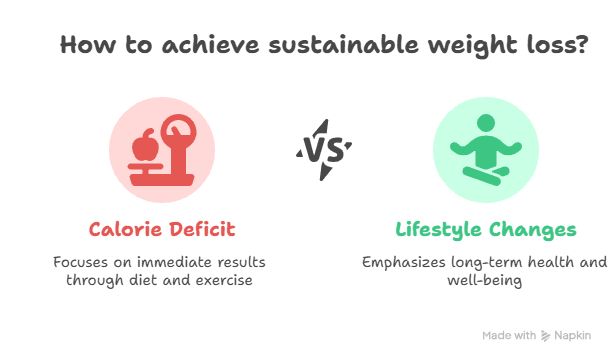
Now think about it: when you give yourself permission to move slowly, you can savor each moment of progress. Maybe today you walked an extra five minutes or swapped soda for sparkling water; those are wins worth celebrating! And trust me, when you treat these small milestones as accomplishments rather than mere footnotes in your journey, they become powerful motivators. They remind you that every step forward is valuable—even if it feels tiny compared to your ultimate goal.
And speaking of celebrations, how fun would it be to have your own personal reward system? Every time you hit a milestone—like losing five pounds—treat yourself! Not with food (that would defeat the purpose), but maybe with new workout gear or a movie night with friends. These rewards create positive associations with your efforts and help reinforce good behaviors without derailing your progress.
So next time you're tempted to rush through your weight loss journey because everyone else seems to be dropping pounds faster than you can say “chocolate chip cookie,” remember this: taking it slow gives you room not only for adjustment but also for joy along the way. Embrace each little victory and turn them into reasons for celebration—because who doesn’t love an excuse for some self-high-fives? After all, this journey is yours; make it enjoyable!
3. Get Moving (But Not Like a Zombie)
Did you know that walking at a speed of 3 mph can burn as many calories as running at 6 mph, but without the risk of tripping over your own feet or scaring small children? So, shuffle along like a normal human instead of a zombie!
“I’m on the patch right now. It’s for my exercise addiction.” —Ellen DeGeneres
Exercise doesn’t have to mean sweating buckets on a treadmill while watching paint dry. Find activities you enjoy! Dancing around your living room counts as cardio; trust me on this one! Whether it's hiking with friends or taking up Zumba classes where everyone flails around wildly—it all adds up.
Interestingly enough, incorporating movement into your daily routine makes it feel less daunting. Think about it: when exercise becomes a natural part of your day rather than a chore you dread, it transforms from something torturous into something fun and manageable. For instance, take the stairs instead of the elevator. It’s like an instant workout without the need for a gym membership! Plus, let’s be real—who doesn’t want to feel a little extra pep in their step as they breeze past those waiting for the elevator? You might even channel your inner superhero as you bound up those steps!
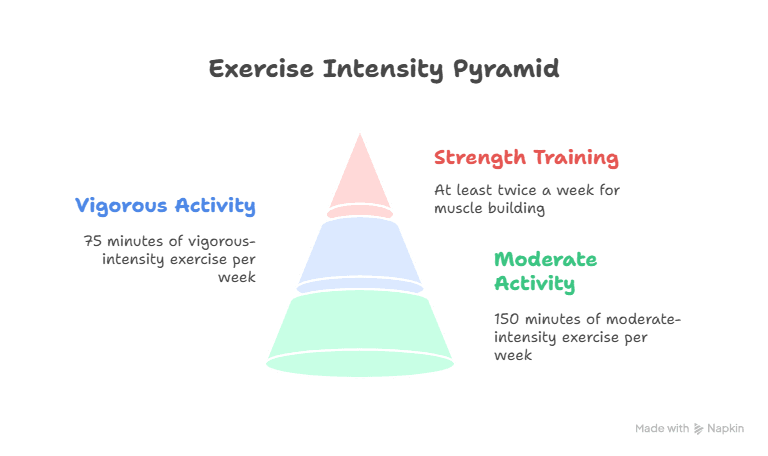
And what about walking during lunch breaks? I mean, why not? Instead of plopping down with your sandwich and scrolling through social media (guilty!), grab that lunch to go and enjoy some fresh air. Walking is one of the easiest ways to sneak in exercise without feeling like you're putting on your workout gear. Just think about how invigorating it feels to stretch your legs and breathe deeply outside; it's like giving yourself a mini-vacation in the middle of a busy workday. Not only does this help burn those pesky calories, but it can also clear your mind and boost creativity.
Every little bit helps! Those small bursts of activity add up over time and can lead to significant changes without making you feel like you’re training for a marathon. Honestly, who needs fancy equipment or expensive classes when simple adjustments can make such an impact? Maybe park further away from the entrance at work or opt for standing while chatting on the phone instead of sinking into that comfy couch.
Let’s not forget about household chores—yes, even washing dishes counts! Dancing around while vacuuming or doing squats while folding laundry can turn mundane tasks into sneaky workouts. Picture yourself jamming out to your favorite tunes as you clean; suddenly, scrubbing floors feels less like a chore and more like an impromptu dance party! And hey, if you break out into spontaneous moves while dusting shelves, who’s judging?
Moreover, engaging in activities that make you smile is key here. If hiking brings you joy or biking through the neighborhood fills you with glee, then do more of that! The point is to find ways to integrate movement seamlessly into your life so it feels less forced and more enjoyable. After all, exercising doesn’t have to be confined to sweaty gym sessions; it's all about staying active while doing things you love.
So next time you're looking at ways to increase physical activity in your day-to-day life, remember: small changes can lead to big results without feeling like torture at all! Embrace these opportunities for movement—they're just as important as hitting the gym—and watch how they transform both your body and mindset over time!
4. Mind Your Portions
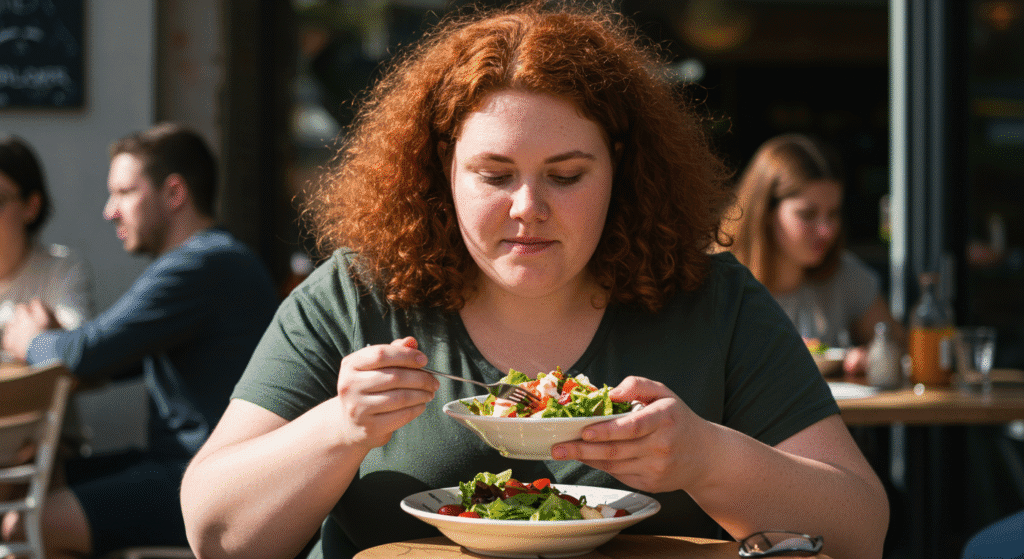
In a study, researchers found that people who eat from larger plates tend to serve themselves 30% more food without even realizing it. So if you want to control your portions, consider using a salad plate—just don’t let anyone see you eating spaghetti off it!
“Your diet is a bank account. Good food choices are good investments.” —Bethenny Frankel
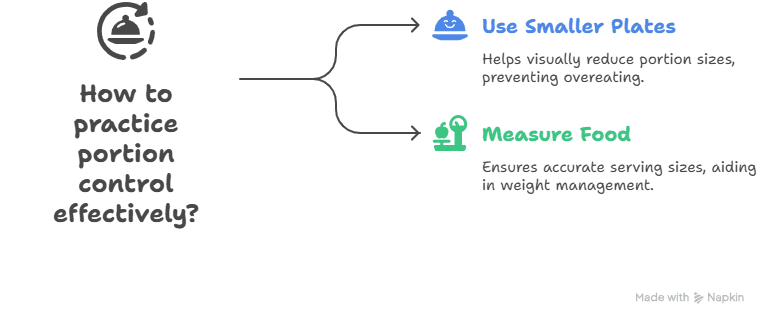
Oh boy, portion control—a fancy term for “don’t eat everything on your plate.” I know it can be tempting to finish every last bite because food is delicious and wasting it feels wrong—but moderation is key here! Using smaller plates can trick your brain into thinking you’re eating more than you actually are.
And here’s an insider tip: try pausing between bites. Seriously, it’s a game changer! When you take a moment to slow down and savor each mouthful, you’re giving your brain the chance to catch up with your stomach. It’s like letting your body send a little memo saying, “Hey, we’re actually full over here!” This can prevent that all-too-familiar feeling of being stuffed like a Thanksgiving turkey before dessert even hits the table! You know the one—pants unbuttoned, couch-bound, and regretting every last bite of that second helping.
Think about it: when you eat quickly, it’s easy to overlook those subtle signals your body sends out. You might be halfway through your meal before realizing you're already full. By taking deliberate pauses—like setting down your fork or sipping some water—you allow yourself to truly enjoy what you’re eating while also tuning in to how much you really need. It transforms mealtime into a more mindful experience rather than just shoveling food into your mouth like it's a race against time.
Plus, let’s not forget about the flavor explosion happening in each bite! When you pause and focus on what you’re eating, suddenly those flavors become more vibrant and enjoyable. It’s almost as if every morsel is begging for attention instead of blending together in a blur of taste. I mean, who wouldn’t want to fully appreciate that cheesy lasagna or decadent chocolate cake? Taking time between bites allows those delicious flavors to linger longer and makes every meal feel like a treat rather than just fuel.
And here's something fun: try counting to ten between bites! Not only does this help pace yourself but it also turns eating into a mini mindfulness exercise. Think of it as meditation with food—who knew being present could be so tasty? Honestly, by practicing this technique regularly, you'll likely find that smaller portions satisfy you more than larger ones ever did.
Now imagine sharing this tip at dinner parties or family gatherings. Picture everyone around the table pausing after each bite and having light-hearted conversations about how full they are getting—it could turn into an unexpected bonding experience! Plus, no one wants to be that person who devours their meal too quickly and ends up regretting their choices later on.
So next time you're enjoying a meal—whether it's pizza night with friends or Sunday brunch with family—remember to hit that pause button between bites. Embrace the art of savoring instead of rushing; not only will it enhance your dining experience but also help keep those post-meal regrets at bay. Your stomach—and future self—will thank you for it!
5. Hydration Nation
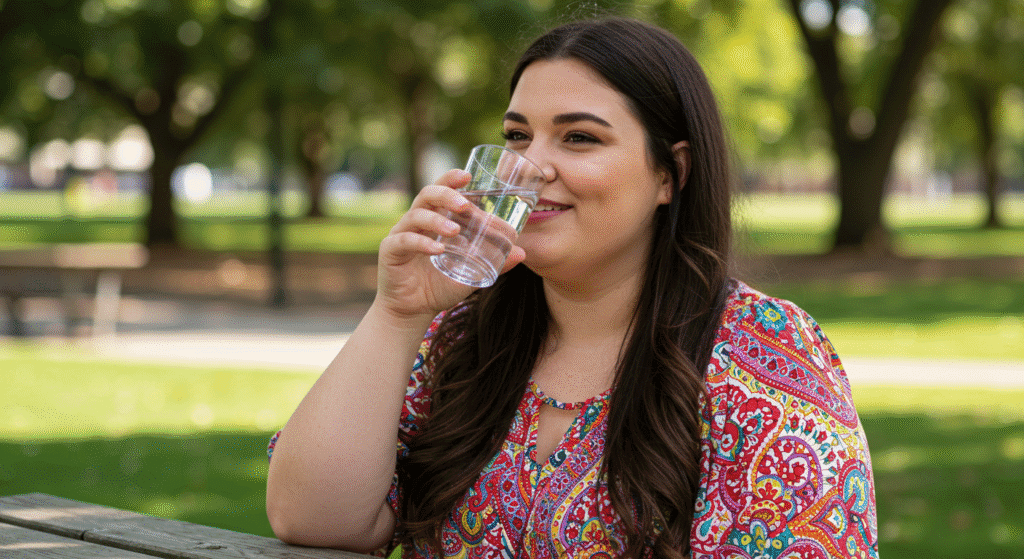
Drinking water before a meal can help you eat fewer calories—it's like a magic trick for your stomach! Just remember, if you start floating away, you might have overdone it.
“I love to eat. I’m not really on a diet; I just try to make healthy choices.” —Kourtney Kardashian
Water is often overlooked but oh-so-important! Staying hydrated helps curb cravings and boosts metabolism—plus, who doesn’t love an excuse to take frequent bathroom breaks? Aim for at least eight glasses a day; if plain water bores you (which I totally get), spice things up with lemon slices or berries.
Honestly speaking, drinking water before meals can also help fill you up faster—kind of like putting air in a balloon before filling it with confetti (because who doesn’t love confetti?). Imagine this: you’re getting ready to dive into a delicious meal, but before you do, you take a glass of water. Suddenly, your stomach has a little extra something in there, creating just enough pressure to signal that maybe you don’t need that third helping of mashed potatoes. It’s a simple yet effective trick to prevent overeating while keeping things interesting!
Let’s break it down. When you sip on some water about 30 minutes before your meal, you're essentially giving your body a head start. This little pre-game ritual can lead to feeling fuller sooner during the actual meal. Think about it—if your stomach is already partly filled with water, there's less room for all those calories from food. And honestly, who wants to feel uncomfortably stuffed after every dinner? Not me!
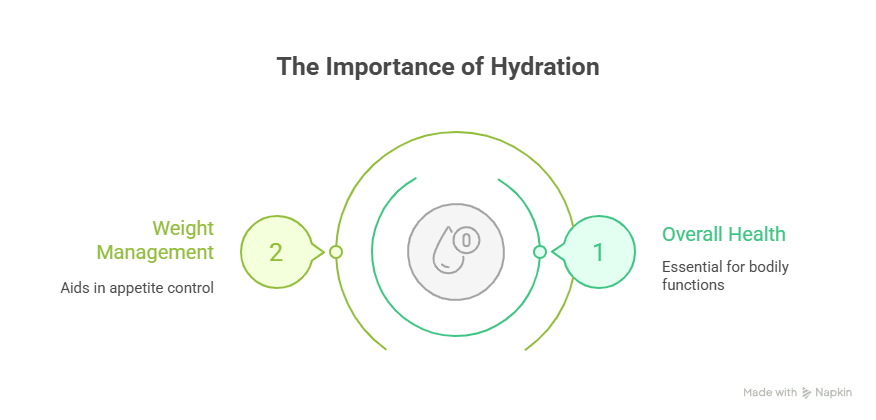
Now, here’s where it gets even cooler: staying hydrated plays an essential role in digestion too. Water helps break down food so your body can absorb nutrients more effectively. So by drinking water beforehand, you're not just filling up; you're also setting the stage for better digestion and absorption of those yummy nutrients from your meal! It’s like prepping the dance floor before the big party—everything flows smoother when there’s some hydration involved.
And let’s not forget about flavor! Drinking water can enhance your sense of taste because dehydration can dull those taste buds. So if you're sipping on H2O right before digging into that flavorful pasta or zesty salad, chances are you'll appreciate every bite even more. You’ll notice how vibrant those flavors are instead of mindlessly munching away.
On top of that, this little habit can help create mindful eating practices in general. Taking time to drink water means slowing down and being present with what you're about to eat. It gives you that moment to pause and think: “Am I really hungry or just bored?” This simple act encourages awareness around eating habits and might even lead you to make healthier choices overall.
Plus, let's be real—drinking water is an easy win! It requires no special skills or complicated recipes; just grab a glass and hydrate away! If plain water feels too boring for your taste buds (I get it), try jazzing it up with slices of lemon or cucumber for some added flair—voilà! Instant spa vibes at home.
So next time you sit down for a meal—whether it's breakfast at home or dinner out with friends—remember the power of that pre-meal hydration ritual. Drink up first and see how much easier it becomes to listen to your body's hunger cues while still enjoying all the deliciousness on your plate without overindulging. Trust me; it's one small change that could lead to surprisingly delightful results!
6. Sleep Like You Mean It

If you think counting sheep helps you sleep, just remember: each one is probably munching on grass while you’re trying to get those extra Z’s. So really, they’re living their best life while you're stuck in a battle with insomnia!
“Every time I go on a diet, I end up eating the whole cake instead of just a slice.” —Tess Holliday
Sleep isn’t just for lazy days; it's vital for weight loss too! Lack of sleep messes with hormones that regulate hunger—so if you're groggy all day long, chances are you'll reach for those sugary snacks more often than not.
Aim for seven to nine hours of quality sleep each night; create a cozy bedtime routine that signals your body it's time to wind down. Think warm tea, dim lights, and maybe even some light reading (or binge-watching cat videos). Trust me; you'll wake up feeling refreshed and ready to conquer whatever comes next!
Now, let’s talk about the magic of sleep. It’s not just about closing your eyes and drifting off into dreamland—though that part is pretty great too! Quality sleep plays a huge role in everything from mood regulation to weight management. When you skimp on those precious Zs, your body gets confused. It starts sending out all sorts of mixed signals, which can lead to cravings for sugary snacks or late-night pizza runs. And who needs that kind of temptation when you could be dreaming of unicorns instead?
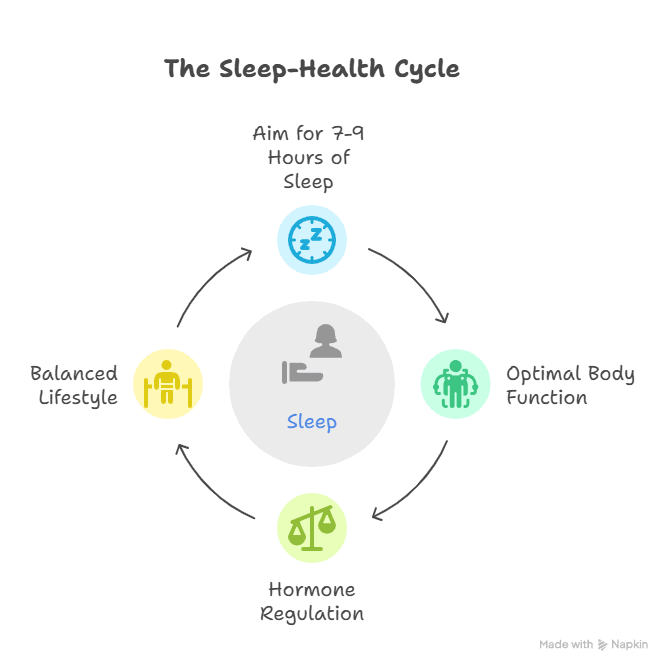
Creating a cozy bedtime routine can work wonders in helping you unwind after a long day. Picture this: you've just wrapped up dinner, and instead of diving straight into your phone or scrolling through social media like it’s an Olympic sport, you decide to brew yourself a cup of herbal tea. The warmth spreads through your hands as the soothing aroma fills the room—it's like giving yourself a gentle hug! This simple act tells your brain it’s time to relax.
Dimming the lights is another fantastic way to signal bedtime is approaching. Bright lights can trick your brain into thinking it’s still daytime, making it harder to fall asleep later on. So why not set the mood? Grab some soft lighting or even light some candles if you're feeling fancy (just don’t forget to blow them out!). You might feel like you’re in one of those calming spa commercials where everyone looks relaxed and blissed out.
And then there are those delightful moments spent indulging in light reading or watching adorable cat videos before bed. Honestly, who doesn’t love watching cats tumble around or chase their own tails? It brings joy and laughter right before slipping under the covers! Just make sure not to get too caught up in binge-watching episodes until 3 AM—that's when things start getting dicey.
Once you’ve created this tranquil atmosphere, drifting off becomes so much easier. Your mind gradually quiets down as it settles into this peaceful state—like sinking into a fluffy cloud made just for you! As you lay there with thoughts gently fading away, you'll find yourself waking up more refreshed than ever.
Interestingly enough, quality sleep also helps regulate hormones related to hunger and appetite control. When you're well-rested, ghrelin (the hormone that makes you feel hungry) decreases while leptin (the hormone that signals fullness) increases. This means that getting enough shut-eye could help curb those pesky late-night snack cravings!
So, here’s my challenge: give this cozy bedtime routine a shot for a week or two and see how it transforms not only your nights but also your days! You might discover newfound energy levels during morning meetings or feel less tempted by sugary treats throughout the day—all thanks to prioritizing sleep!
In short, creating an inviting pre-sleep ritual can significantly enhance your overall well-being while keeping weight loss goals within reach. So, grab that warm drink, dim those lights, enjoy some feline antics on screen—and prepare yourself for restful slumber followed by energized mornings ready for whatever adventures await!
7. Keep Track of What You Eat

Studies show that writing down what you eat can help with weight loss, but if you track it on a napkin, it might just end up as a snack for later!
“I love bread. I’m not going to lie. But I can’t eat bread every day.” —Katy Perry
Journaling isn’t just for teenagers writing about their crushes anymore—it’s also super useful when trying to lose weight! Keeping track of what you've eaten helps identify patterns and triggers that lead to mindless munching.
You don’t need anything fancy; even using an app on your phone works wonders! Plus, seeing everything laid out visually can be eye-opening—and sometimes shocking—especially when you realize how many snacks sneak in throughout the day!
Let’s face it: we live in a world where food is everywhere. It’s practically stalking us! From the office snack table to that ever-tempting vending machine, it feels like there are hidden calories lurking around every corner. So, why not take control of your eating habits with a little help from technology? Enter food tracking apps—the unsung heroes of our modern weight-loss journey.
Using an app to track what you eat is easier than finding a cat video that makes you chuckle (and we all know how easy that is!). With just a few taps on your smartphone, you can log meals and snacks throughout the day. I mean, who doesn’t love technology making life simpler? You don’t have to whip out a notebook or count points like some sort of math wizard. Instead, these nifty apps do the heavy lifting for you while providing valuable insights into your eating patterns.
As you start logging your food intake, something magical happens: awareness kicks in! Suddenly, those mindless munchies become impossible to ignore. Have you ever reached for a handful of chips without even thinking about it? Well, tracking helps shine a spotlight on those sneaky snacks that might otherwise go unnoticed. When you see “three servings of chips” staring back at you on the screen, it can be quite the wake-up call. It's almost like your phone is shaking its digital head at you—“Really? Three servings?”
But wait! The benefits don’t stop there. Many apps also offer features that allow you to set goals and monitor your progress over time. Want to drink more water? There’s probably an option for that! Looking to cut down on sugar? Yep, they’ve got charts for that too! Watching as those numbers change and improve can feel incredibly satisfying—like leveling up in a video game but way healthier.
And speaking of visuals, let’s talk about graphs and charts because who doesn’t love a good pie chart? Seeing your daily calorie intake represented visually can bring clarity to what you're consuming each day. You might discover some surprising trends; maybe Wednesdays are particularly snack-heavy or weekends turn into mini dessert fests (guilty!). This kind of knowledge empowers you to make better choices moving forward.
Interestingly enough, many people find themselves motivated by sharing their tracking experience with friends or online communities within these apps. It creates this sense of camaraderie where everyone supports one another in achieving their goals. Imagine posting about hitting your protein target or resisting the urge for late-night cookies while others cheer you on—it feels great!
Now here’s where things get fun: once you've been tracking for a while and start noticing patterns emerge (like realizing weekends are tough), it's time to strategize! Maybe you'll plan healthy meals ahead or pack nutritious snacks instead of relying on impulse buys during grocery runs.
So, if you're ready to embark on this exciting journey toward healthier habits without needing any high-tech gadgets or complicated systems—grab your smartphone and download an app today! Whether it’s MyFitnessPal, Lose It!, or any other user-friendly option out there—you’ll be amazed at how much insight comes from simply logging what goes into your mouth each day.
In short, food tracking isn't just about counting calories; it's about gaining awareness and taking charge of your health journey with just a few taps on your screen! So go ahead and give it a whirl—you might just find yourself pleasantly surprised by what unfolds when those sneaky snacks are finally brought into the light!
Conclusion: Embrace the Journey
Weight loss isn't just about shedding pounds; it's about embracing healthier habits that'll stick around longer than any trendy diet ever could. Remember that everyone's journey looks different—so be kind to yourself along the way!
Now go forth armed with these tips—and maybe grab some water while you're at it!
Suggested External Resources:
Healthy Eating Tips
https://www.eatright.org/health/wellness/healthy-eating-tips
The Importance of Sleep
https://www.sleepfoundation.org/sleep-hygiene/the-importance-of-sleep
Portion Control Strategies
https://www.choosemyplate.gov/eathealthy/portion-control
Frequently Asked Questions
How does knowing my “why” help with weight loss?
Understanding your deeper motivation makes choices easier and helps you resist temptations when cravings appear.
Why are small, realistic goals effective?
Small goals build momentum and keep motivation high, making weight loss feel achievable instead of overwhelming.
Do small bursts of movement really help?
Yes, daily activity like walking, dancing, or taking stairs burns calories and builds sustainable routine-based fitness.
Can smaller plates improve portion control?
Using smaller plates creates a natural portion limit and slows overeating because you visually perceive a full plate.
Why drink water before meals?
Drinking water before eating helps reduce hunger and can naturally lower calorie intake during meals.
Does sleep affect weight loss?
Quality sleep regulates hunger hormones and helps prevent late-night snacking and poor food choices.
How does food tracking help results?
Tracking meals increases awareness of habits and patterns, helping you identify overeating triggers and improve consistency.

Kevin Collier is a passionate nutritionist and wellness advocate dedicated to helping individuals achieve their health goals through balanced eating and sustainable lifestyle choices. With years of experience in the field, Kevin believes in the power of nutritious food to transform lives and specializes in creating articles about diet plans and achieving weight loss goals. When not writing for DietDino, Kevin enjoys exploring new recipes, staying active outdoors, and sharing tips on mindful living.