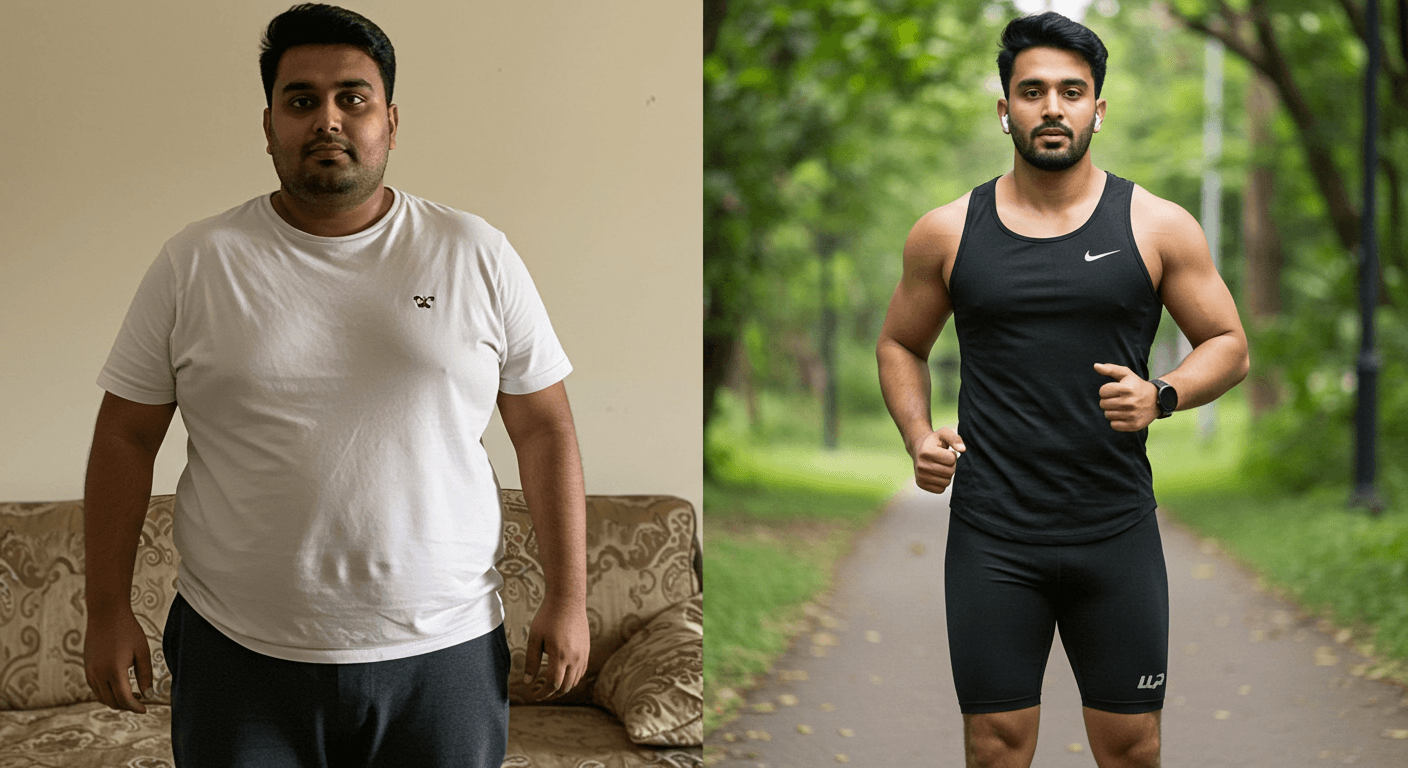
Have you ever felt like a T-Rex trying to fit into a tiny cave? Well, if you’re anything like me, then portion control can feel just as challenging!
In this article, we’ll explore how to tackle those dino-sized portions and gain control over our plates. After all, even the largest dinosaurs had to learn when enough was enough.
Top Takeaways and Key Concepts
- Learn Standard Portions: Use everyday objects to visualize correct serving sizes for each food.
- Practice Mindful Eating: Slow down, savor bites, and listen to your body’s fullness cues.
- Use Plate Presentation Tricks: Serve meals on smaller plates and include colorful vegetables.
- Stay Hydrated: Drink water regularly to reduce unnecessary snacking and control appetite.
- Maintain Consistency: Establish meal routines and meal prep to reinforce healthy habits.
Article Summary
This article emphasizes mastering portion control through practical, dinosaur-inspired strategies. Key points include understanding standard serving sizes and using visual cues to prevent overeating. Mindful eating techniques encourage slowing down, savoring flavors, and recognizing fullness signals, while plate presentation tricks—like smaller plates and colorful vegetables—enhance satisfaction and nutrient intake. Hydration is highlighted as a crucial tool to curb false hunger signals, and consistency through meal routines and prep ensures long-term adherence. Together, these approaches help create balanced, sustainable eating habits while making mealtime more enjoyable.
Video Summary
So grab your favorite leafy greens (or meat if that’s your thing), and let’s dig in!
Understanding Portion Sizes: The Jurassic Journey

By the way, understanding what constitutes a proper portion is crucial for weight loss success. Just because a brontosaurus could munch on an entire forest without breaking a sweat doesn’t mean we should follow suit with our meals!
It’s time to leave those prehistoric eating habits behind and embrace moderation.
Let’s start by comparing standard serving sizes with what many of us actually consume. For instance, did you know that a serving of pasta should be about the size of a baseball?
Meanwhile, most people are dishing out servings equivalent to a basketball! This discrepancy can lead to unwanted weight gain faster than you can say “Pterodactyl.”
Interestingly enough, one way to visualize appropriate portions is by using everyday objects. Think about how much food fits on your plate versus how much fits in your hand—this simple trick can make it easier to gauge what you’re eating.
And remember, even if you’re feeling hungry like a hungry raptor after running through the jungle, it’s essential to listen to your body and stop when you’ve had enough.
Mindful Eating: A Diplodocus Approach
Speaking of listening to our bodies—mindful eating plays an essential role in mastering portion control. Let’s see; imagine being as calm and graceful as a Diplodocus while enjoying your meal rather than rushing through it like Velociraptors chasing their prey!
Mindfulness encourages us not only to savor each bite but also helps us recognize when we’re truly full. I mean, have you ever wolfed down an entire pizza only to realize halfway through that maybe three slices would have sufficed? We’ve all been there!
To practice mindful eating, try slowing down during meals—put down your fork between bites or take smaller bites altogether. By doing this, you give yourself time to enjoy flavors and textures while allowing your brain some time to catch up with your stomach’s signals.
Honestly speaking? Engaging all five senses during meals can transform the experience from mere sustenance into something more enjoyable—and help prevent overeating at the same time!
Plate Presentation: The Triceratops Trick
Now let’s talk about plate presentation—the art of making food look appealing while keeping portions in check! Have you ever noticed how certain dinosaurs had stunningly colorful scales or feathers? Well, our meals deserve just as much flair.
Using smaller plates is one effective strategy for controlling portion sizes—it tricks our brains into thinking we’re getting more food than we really are!
Imagine filling up a salad plate instead of diving headfirst into an oversized dinner plate; you’ll find yourself feeling satisfied without overindulging.
Additionally, color contrast matters too! Filling half your plate with colorful veggies not only makes it visually appealing but also provides vital nutrients that keep cravings at bay later on. Plus who wouldn’t want their meal looking as vibrant as an Ankylosaurus ready for battle?
As a matter of fact, arranging foods artistically can create excitement around healthy choices—making them feel special instead of boring rabbit food! So go ahead; channel your inner dinosaur decorator next time you’re plating up dinner.
Hydration Habits: The Watering Hole Wisdom
By now you’ve probably heard how important hydration is—but did ancient dinosaurs sip water from fancy glasses? Probably not! They likely relied on natural sources like rivers and lakes scattered across their vast habitats.
Interestingly enough, staying hydrated plays an unexpected role in managing portion sizes. Often when we think we’re hungry; we’re actually thirsty! Keeping track of fluid intake throughout the day might help prevent unnecessary snacking before meals.
Consider carrying around a reusable water bottle filled with refreshing H2O wherever you go—just like those massive sauropods lumbering towards watering holes for hydration!
Make sure it’s easily accessible so every time hunger pangs hit unexpectedly; you’ll remember there’s something else worth sipping first before reaching for snacks.
On the other hand—and let’s be honest here—if plain water feels dull after too long add some flavor by infusing fruits or herbs into it for variety without calories piling up!
Staying Consistent: The Pterosaur Plan
Finally—and perhaps most importantly—is consistency when managing portion sizes over time. Think about how Pterosaurs soared effortlessly above treetops day after day; they didn’t flit around haphazardly hoping everything would work out fine!
Establishing routines around meals helps reinforce good habits over time—even amidst busy schedules where temptation lurks everywhere (like pesky little Compsognathus eyeing leftover fries!).
Meal prepping ensures delicious options are always available within reach while eliminating chances for poor decisions later on.
I recommend setting designated meal times throughout each week so whether it’s breakfast lunch or dinner—you’ve got expectations set which creates accountability toward sticking closely aligned with healthier choices long term!
All things considered though? Don’t forget life happens sometimes—embracing flexibility allows room for enjoyment without guilt creeping back in—a balance necessary both today…and millions years ago among mighty dinosaurs roaming free under ancient skies!
Suggested Resources:
Healthy Eating Plate
https://www.hsph.harvard.edu/nutritionsource/healthy-eating-plate/
Mindful Eating Practices
https://www.eatright.org/health/wellness/mindful-eating/mindful-eating-practices
Portion Control Tips
https://www.cdc.gov/healthyweight/healthy_eating/portion_control_tips.html
Frequently Asked Questions
How can visual cues help with portion control?
Using everyday objects like your hand or small plates can make it easier to estimate serving sizes without measuring tools.
What is mindful eating and why does it matter?
Mindful eating encourages slowing down and savoring each bite, which helps you recognize fullness before overeating.
Do smaller plates really make a difference?
Yes, smaller plates make portions appear larger and help prevent overserving without feeling deprived.
How does hydration support portion control?
Drinking water regularly can reduce hunger signals because thirst is often mistaken for hunger, which lowers snacking urges.
Why should I include more colorful vegetables?
Colorful vegetables add nutrients, volume, and visual appeal that help meals feel more satisfying while keeping calories lower.
Is meal prepping effective for portion control?
Preparing meals ahead of time prevents last-minute choices and helps you stick to planned servings more consistently.
How does consistency impact long-term weight loss?
Creating routines with regular meal timing, hydration, and mindful eating reinforces habits so portion control becomes automatic.

Kevin Collier is a passionate nutritionist and wellness advocate dedicated to helping individuals achieve their health goals through balanced eating and sustainable lifestyle choices. With years of experience in the field, Kevin believes in the power of nutritious food to transform lives and specializes in creating articles about diet plans and achieving weight loss goals. When not writing for DietDino, Kevin enjoys exploring new recipes, staying active outdoors, and sharing tips on mindful living.