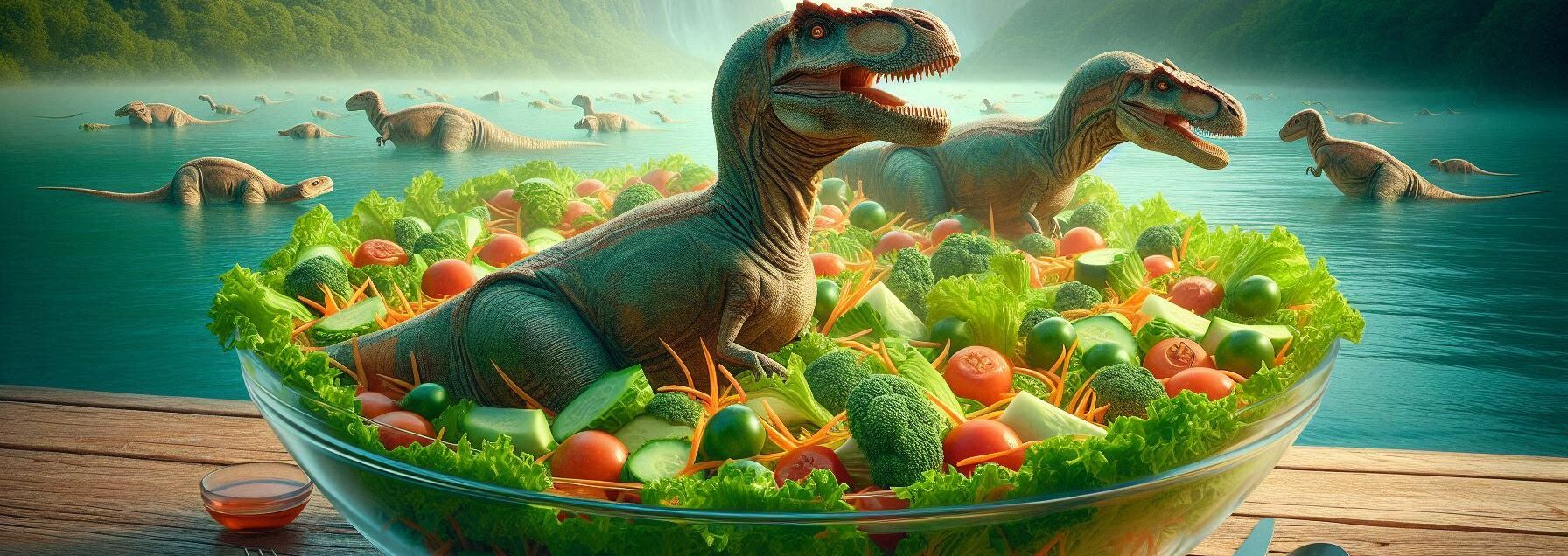
Let’s face it: if dinosaurs could talk, I bet they’d have a lot to say about their eating habits. Some were fierce carnivores, but others were gentle giants munching on greens like they had an all-you-can-eat salad bar at their disposal.
Today, we’re diving into the world of plant-based strategies for weight loss—think of it as a friendly herbivore guide to shedding those extra pounds!
Top Takeaways and Key Concepts
- Eat more leafy greens like spinach, kale, and romaine to stay full with fewer calories.
- Incorporate legumes such as beans, lentils, and chickpeas for protein and fiber.
- Prepare healthy snacks in advance, like carrot sticks with hummus or fruit with nut butter.
- Practice mindful eating by slowing down, savoring flavors, and recognizing fullness cues.
- Stay hydrated by drinking at least eight glasses daily and experimenting with infused water.
Article Summary
This article highlights plant-based strategies for weight loss inspired by herbivorous dinosaurs. Emphasizing nutrient-dense leafy greens and protein-rich legumes, it provides practical tips for creating satisfying meals and snacks while keeping calories in check. Mindful eating encourages slowing down to enjoy food and recognize fullness, reducing overeating. Proper hydration supports both appetite control and overall health. Together, these habits form a balanced, sustainable approach to shedding pounds while enjoying flavorful, nutrient-packed foods.
Video Summary
The Leafy Green Revolution: Why Plants Matter

By the way, have you ever noticed how many different types of plants there are? Just walking through a garden can be overwhelming!
But here’s the thing: leafy greens are packed with nutrients while being low in calories. Spinach, kale, and romaine lettuce aren’t just trendy—they’re your new best friends.
Eating more greens can help fill you up without filling out your waistline. It’s like trying to eat a whole dinosaur-sized meal made entirely of lettuce—you’ll be full before you even get close!
These veggies provide fiber that keeps your digestive system happy and helps regulate hunger hormones. Isn’t that neat?
Now let’s talk about variety. Honestly, who wants to eat the same salad every day? Mix it up! Try adding colorful veggies like bell peppers or carrots to your salads for added crunch and flavor.
You could even toss in some fruits like berries or apples for a sweet twist—just think of it as creating a prehistoric feast fit for a Brontosaurus!
And don’t forget about cooking methods! Steaming or sautéing vegetables retains their nutrients while making them deliciously tender. A little olive oil and garlic can turn plain broccoli into something that feels fancy enough for a T-Rex dinner party.
Legume Love: Protein Powerhouses from Nature
Interestingly enough, legumes are another fantastic addition to any plant-based diet. Beans, lentils, and chickpeas pack quite the protein punch without bringing along excess calories or unhealthy fats.
Think about it: what would happen if you replaced that burger with a hearty bean chili? You’d feel satisfied without dragging yourself down!
Incorporating legumes into meals is simple too! Toss some black beans into tacos or add lentils to soups—trust me; your taste buds will thank you later. Plus, these little gems are rich in fiber which helps keep you feeling fuller longer.
Let’s see… one common misconception is that going plant-based means sacrificing flavor. On the other hand, spices and herbs can elevate any dish! Cumin and chili powder transform plain lentils into zesty delights worthy of any herbivore’s plate.
And speaking of versatility, legumes make excellent meat substitutes in various recipes—from veggie burgers to pasta sauces—allowing everyone to enjoy their favorite dishes without guilt.
Snack Attack: Healthy Munchies That Satisfy
Now here’s something fun: snacking doesn’t have to mean reaching for chips or cookies! Instead, channel your inner Triceratops by munching on wholesome snacks throughout the day—after all, those guys needed energy too!
Consider preparing snack packs filled with carrot sticks paired with hummus (made from chickpeas!). This combo provides fiber plus healthy fats that keep cravings at bay until mealtime rolls around again.
Another great option? Fruit! Apples slices dipped in almond butter create a satisfying treat packed with nutrients—and let’s not forget how portable they are! It’s easy-peasy when you’re on-the-go chasing after those pesky Pterodactyls (or just running errands).
Here’s an idea worth considering: try batch prepping snacks over the weekend so you have healthy options ready during busy weekdays—it’ll save time and temptation when hunger strikes unexpectedly!
Mindful Eating: Channel Your Inner Dinosaur
Honestly speaking though; mindfulness plays an essential role in successful weight loss efforts—especially when adopting new dietary habits inspired by our ancient friends!
Take cues from nature by slowing down during meals instead of rushing through them like there’s no tomorrow (or meteor!).
By savoring each bite mindfully while appreciating flavors and textures allows us not only enjoy food but also recognize feelings of fullness more effectively—it’s almost like having built-in portion control systems developed over millions years ago!
So next time you sit down for lunch or dinner; put away distractions such as phones or TV shows—focus solely on enjoying what you’ve prepared instead.
Trust me; this small shift makes all difference between grazing mindlessly versus truly relishing every moment spent feasting together (even if it’s just solo)!
Hydration Nation: Drink Up Like a Diplodocus
Speaking of mindful practices… let’s not overlook hydration—it might seem trivial but staying hydrated is key when aiming towards weight loss goals too! After all; those massive Diplodocuses surely drank plenty water each day—they knew what was good for them!
Aim to drink at least eight glasses daily—but don’t fret if counting feels tedious; simply keep track using an easily accessible water bottle throughout day instead (you know—the kind adorned with dino stickers).
Herb-infused waters add excitement while ensuring hydration doesn’t become boring either—a splash lemon & mint transforms ordinary tap water into refreshing elixir worthy sipping anytime anywhere—even amidst wilderness adventure across Jurassic landscape!
And remember dehydration often masks itself as hunger pangs leading us toward unnecessary snacking—so reach first glass before grabbing snack next time around!
Suggested Resources:
Herbalife Nutrition
https://www.herbalife.com
The Vegan Society
https://www.vegansociety.com
Forks Over Knives
https://www.forksoverknives.com
Frequently Asked Questions
How do leafy greens support weight loss?
Leafy greens like spinach and kale are low in calories but high in fiber, helping you feel full while keeping calorie intake under control.
Why are legumes useful in a plant based diet?
Beans, lentils, and chickpeas provide protein and fiber, helping increase fullness and replace heavier meats without excess fat.
What are examples of healthy plant based snacks?
Carrot sticks with hummus or fruit paired with nut butter offer fiber, nutrients, and satisfying textures that help manage hunger.
How can mindful eating reduce overeating?
Slowing down and savoring each bite makes it easier to notice fullness cues, helping prevent automatic overeating.
Why is hydration important when trying to lose weight?
Drinking water helps manage appetite, supports digestion, and prevents dehydration from being mistaken for hunger.
How can variety improve plant based eating?
Mixing different vegetables, fruits, and spices keeps meals interesting and flavorful, making it easier to stay consistent.
Are legumes suitable as meat replacements?
Yes, legumes can be used in soups, tacos, sauces, and burgers to provide satisfying protein without excess calories.

Kevin Collier is a passionate nutritionist and wellness advocate dedicated to helping individuals achieve their health goals through balanced eating and sustainable lifestyle choices. With years of experience in the field, Kevin believes in the power of nutritious food to transform lives and specializes in creating articles about diet plans and achieving weight loss goals. When not writing for DietDino, Kevin enjoys exploring new recipes, staying active outdoors, and sharing tips on mindful living.