
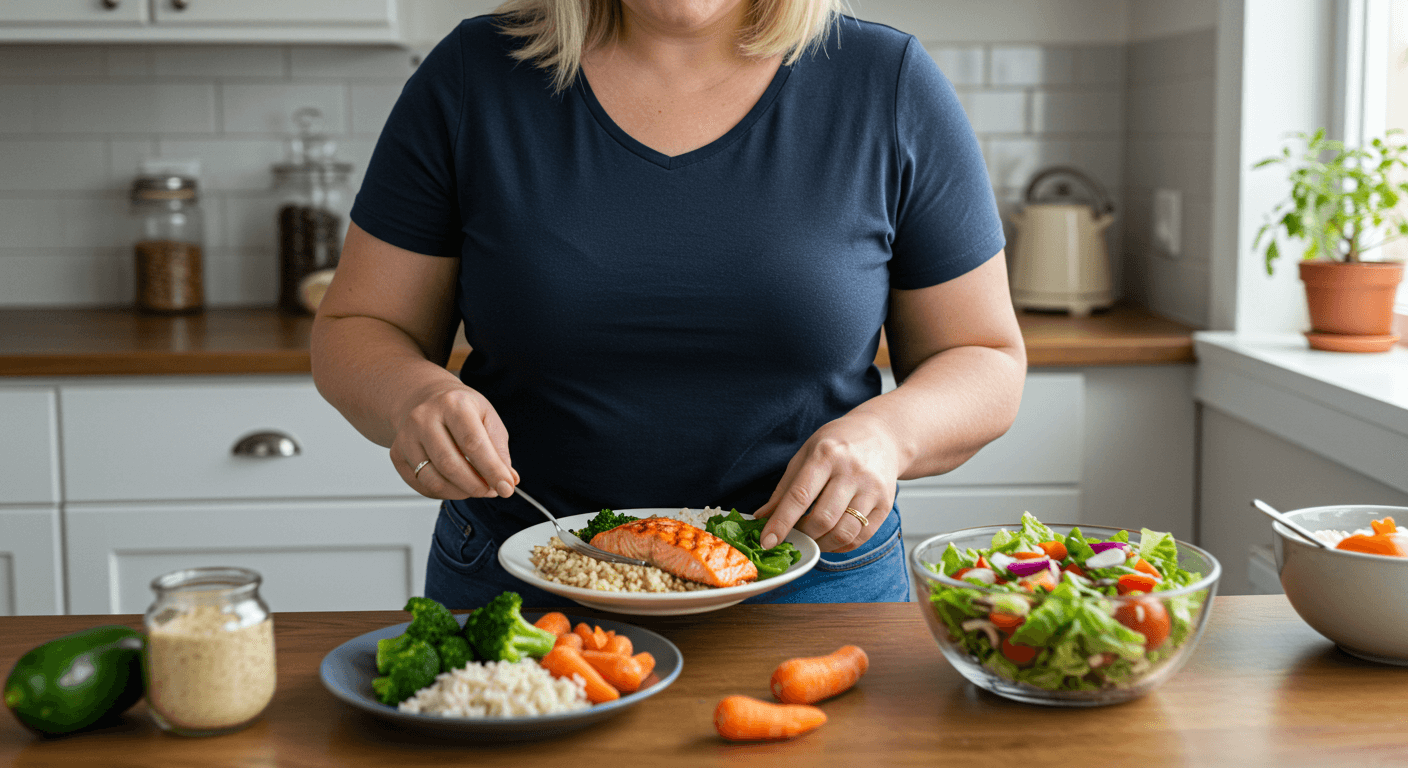
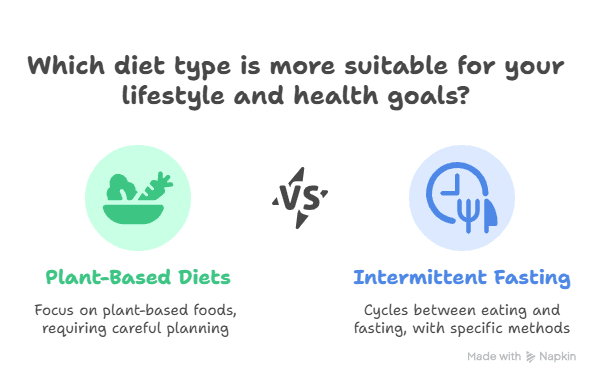
We often get a lot of different suggestions about what to eat and how to eat it. One person swears on smoothies made with kale, while another says pizza is a food category. To be honest, figuring out how to eat healthy can feel like trying to solve a Rubik’s Cube with your eyes closed! But don’t worry; I’m here to explain the basics of food nutrition in a style that’s easy to understand—pun intended!
Top Takeaways and Key Concepts
- Balance carbs, protein, and healthy fats to maintain energy and full-body health.
- Eat a colorful variety of fruits and vegetables to boost vitamins and minerals.
- Plan and prep meals weekly to save time and avoid unhealthy food choices.
- Drink at least eight glasses of water daily to stay energized and reduce cravings.
- Eat slowly and without distractions to enjoy food and recognize fullness sooner.
Summary:
This article breaks down the essentials of healthy eating in a clear, engaging way. It explains the importance of balancing macronutrients—carbs for energy, protein for strength, and fats for brain and vitamin absorption—while also emphasizing the value of micronutrients from colorful fruits and vegetables. The text encourages readers to meal prep for better control and convenience, stay hydrated to prevent fatigue and overeating, and practice mindful eating to truly enjoy each bite and prevent excess consumption. Overall, it promotes a balanced, flexible approach to nutrition that’s sustainable, flavorful, and enjoyable for both body and mind.
Video Summary
Understanding Macronutrients: The Big Three
| If you think of macronutrients as a three-person band, carbs are the lead singer belting out catchy tunes, protein is the quiet but essential bassist keeping everyone in check, and fats are the wild drummer who occasionally goes offbeat—yet somehow makes the whole thing work! Just remember, if you want to avoid a musical disaster on your plate, keep all three in harmony! “I’m on the patch right now. I’m trying to eat healthy.” —Katy Perry |
Let’s discuss about macronutrients first. Carbohydrates, proteins, and lipids are the nutrients that your body requires in big proportions. They are like the three friends of your diet. Each one has a different job to do to keep you going and working.
Carbs are the main source of energy for your body. You can find them in bread, pasta, fruits, and vegetables. Your body breaks down carbs into glucose, which is a fancy word for sugar. This gives you the energy you need to get through those mid-afternoon slumps. But here’s the catch: not all carbs are the same! Whole grains and fruits are better for you than sugary snacks since they fill you up longer. Sugary foods make you crash faster than my aspirations of winning the lotto.
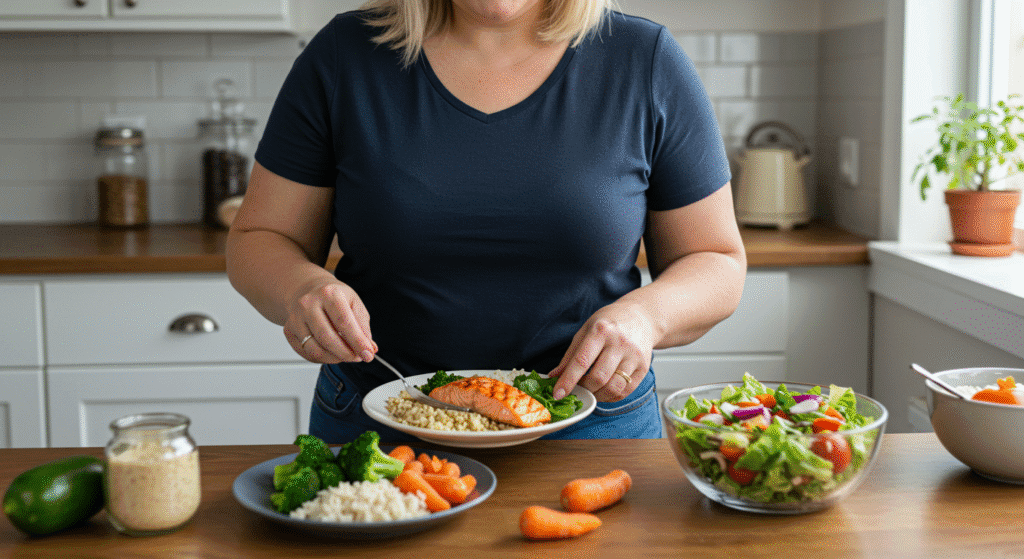
Next is protein, which helps develop muscle. This nutrient is like the superhero of food since it helps heal tissues and build muscle. There are many foods that have protein in them, such as juicy steaks, grilled chicken, beans, nuts, and dairy products. It’s all around!
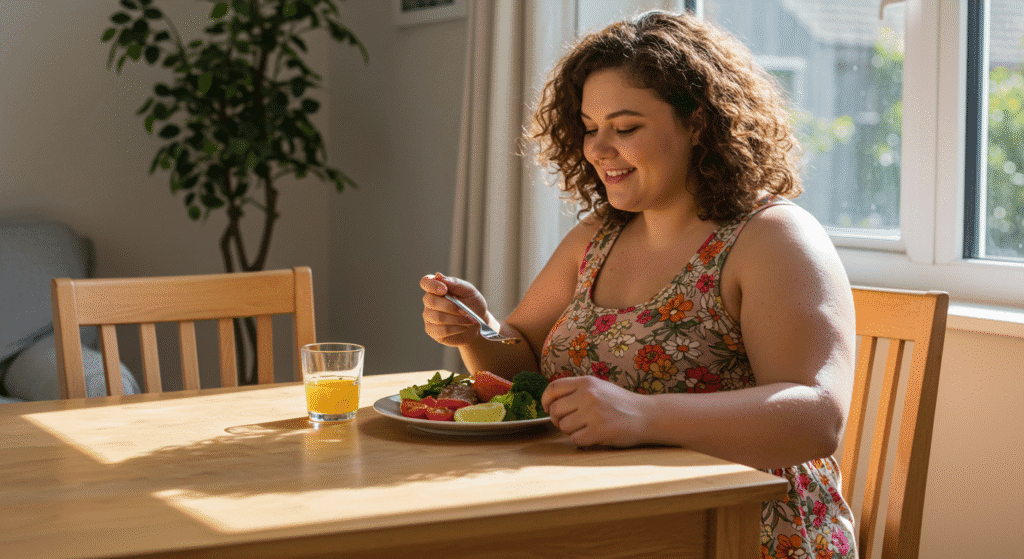
Have you ever observed that a chicken breast or a beautiful piece of fish can keep you full for a long time? That wasn’t a mistake! Protein has this amazing potential to take longer for your body to break down than carbohydrates. When you eat those carbs, they break down swiftly into sugar, which gives you an instant energy boost that lasts for a short time, like riding a roller coaster without any safety restraints! But when you eat anything with a lot of protein, your body works hard to break it down over time. Because it takes a long time to digest, you’re less likely to feel hungry again shortly after you eat. It works like a built-in way to keep you from snacking!
Don’t forget about fats, though; they’re important too! I know what you’re thinking: “But aren’t fats bad for me?” Wait a minute! Healthy fats are actually quite good for you and are an important part of our diet. You can get them from foods like avocados, olive oil, almonds, seeds, and fatty fish like salmon. Healthy fats are good for your brain (yes, please!) and help your body absorb vitamins A, D, E, and K. It’s like attempting to swim with one arm tied behind your back if you don’t have any fat to help you absorb all those vitamins.
Adding healthy fats to your meals can also make them taste better. Who doesn’t love pouring olive oil on their salads or putting avocado slices on toast? These tasty extras not only make your meals taste better, but they also provide you energy all day long.
So keep this in mind: although though we typically focus on monitoring calories or cutting out whole food groups (which is never fun), it’s crucial to have a balanced diet that contains proteins, healthy fats, and carbohydrates. It’s important to eat a variety of foods to stay healthy, and your taste buds will thank you too!
When you look at everything, balancing these macronutrients is the most important factor for getting the best nutrition from your diet. So the next time you prepare meals or snacks, consider about adding a combination of these three amigos!
Micronutrients Matter Too: Vitamins and Minerals
| If vitamins and minerals were a superhero team, Vitamin C would be the flashy leader with citrus powers, Iron would be the strong sidekick who never backs down, and Calcium would be the wise old mentor reminding everyone to stand tall—literally! Just remember, without them, your body might end up feeling like a superhero without any superpowers! “I eat junk food, but I also eat healthy food. I think it’s all about balance.” —Jessica Simpson |
People often talk about macronutrients, but micronutrients, which include vitamins and minerals, are just as vital yet are often forgotten. These little powerhouses help with everything from bone health to immunological function.
Each vitamin A through K has a different job to do. Vitamin C is well-known for keeping colds at bay (thank you oranges!), while vitamin D helps bones stay strong by helping the body absorb calcium. Iron is a mineral that maintains our blood healthy, while potassium is a mineral that helps keep the balance of fluids in our bodies.
It’s interesting that a lot of individuals don’t know that they might not be getting enough important micronutrients because of bad food choices or rigid diets. It’s like living your life without knowing that there is a treasure box waiting for you at the end of a rainbow! Imagine walking along, completely unknowing that just over the next hill is a treasure trove of vitamins and minerals that could make you healthier than ever. Sounds good, doesn’t it?
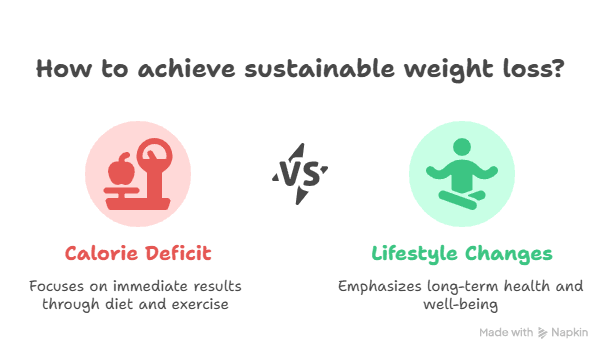
So what are these hard-to-find micronutrients? Well, they have vitamins and minerals in them that our bodies need in small amounts but are really important for everything to work well. Think of them as the little workers who make sure your body runs smoothly. These tiny guys are quite important! For example, vitamin C aids your immune system and keeps your skin looking good, and magnesium is involved in more than 300 metabolic activities in your body.
If you’re stuck in a rut with your meals and eat the same thing every day, you might not be getting all the nutrients you need. When we’re busy or have too many food options, it’s easy to slip into this trap. You know how it is: you grab something quick and easy instead of taking the time to make something healthy and colorful. But this is where things can change! To make sure you’re getting enough vitamins and minerals every day, try to fill your plates with a variety of colorful fruits and veggies.
Eating a rainbow isn’t just a fun saying; it’s really good advise! Each color stands for a different vitamin and benefit. For instance, orange foods like carrots and sweet potatoes are full of beta-carotene, which is good for your eyesight. Leafy greens like spinach and kale, on the other hand, are full of iron and calcium. And we can’t forget about bright red tomatoes full of lycopene or purple berries full of antioxidants.
Not only does changing up your meals make them seem better, but it also makes sure you’re giving your body all the nutrients it needs. Plus, trying out different fruits and vegetables might lead to some surprisingly tasty finds! Have you ever had roasted purple cauliflower? Or did you add some pomegranate seeds to your salad? Believe me, these little things can make a big difference.
Don’t miss out on these hidden gems that can be found in the vegetable section or at farmers’ markets. Fill your plate with a lot of different colors to provide diversity to your diet. This will be good for your health and taste senses! After all, who wouldn’t want their food to look like art instead of dull beige blobs? So go ahead and let your inner artist out. Make those beautiful platters full with nature’s gifts!
When someone says, “I eat healthy,” I often wonder if they’re eating a lot of colorful greens or if they’re stuck eating beige things all day (yikes!). Don’t forget that variety is important for good nutrition as well as being interesting!
Meal Planning Made Easy
If you think meal planning is just about portion sizes, think again! In ancient Rome, people used to plan their meals around the phases of the moon—so if you’re ever caught skipping dinner, just tell your friends you’re waiting for a full moon to properly align your spaghetti! “Every time I try to eat healthy, along comes a cupcake.” —Angela Kinsey |
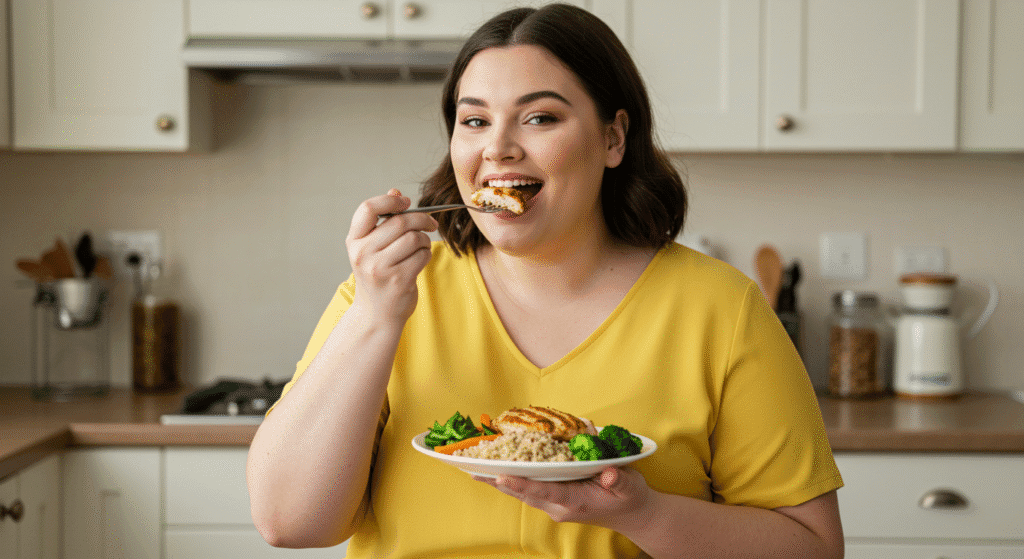
Now that we’ve covered what goes into our bodies let’s tackle meal planning—a lifesaver when it comes to sticking with good diet nutrition habits! Picture this: You open your fridge after a long day only to find perfectly portioned meals waiting for you—no more frantic searches through takeout menus or cereal boxes!
Meal prepping allows control over ingredients better than convenience foods ever could. Not only does it save time during busy weeks but also helps prevent impulse snacking on less nutritious options when hunger strikes unexpectedly.
To make meal prep work for you rather than against you requires some simple strategies. First off, let’s talk about commitment—no, not the kind that involves a romantic dinner and a heartfelt conversation. I’m talking about dedicating one day each week—maybe Sunday—to plan out meals ahead of time based on what you’ll actually want throughout the week. Trust me, I promise frozen spinach will NOT cut it every night! It’s just not going to inspire your taste buds or make you feel like a culinary genius.
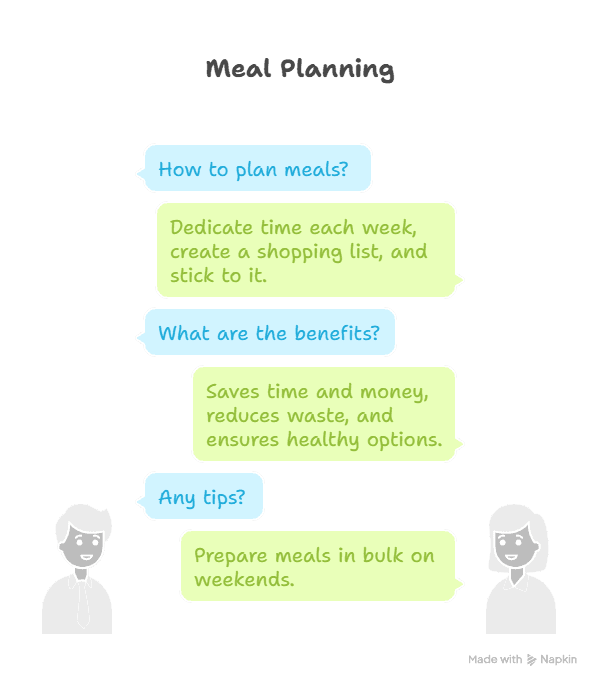
So, how do we begin? To start, take a careful look at the week ahead. Do you ever know that you’re going to be busy than a cat in a room full of rocking chairs? If so, those are great people to plan meals for. Think about what meals you could make that wouldn’t take more time than putting together IKEA furniture (and we all know how enjoyable that can be).
Next, you need to chop up the vegetables ahead of time. This simple approach can save you more time than looking for one extra fry at the bottom of the bag. Picture this: after a hard day, you’re hungry and suddenly remember that lovely container of pre-chopped cucumbers and bell peppers in your fridge. Whenever they become inspired, they’re ready to go! Having those bright vegetables on hand makes cooking feel less like a race and more like a walk in the park, whether you’re making a quick stir-fry or a salad.
Don’t forget about big batches when we talk about quick dinners! Making soups or stews is like giving your future self a high-five because you can easily store them in containers for fast meals later. These hearty meals also taste better after they’ve been in the fridge for a day or two, when the flavors mix together like old friends talking over coffee. Just think about how great it would be to open that container at lunch and smell the handmade chili or creamy veggie soup.
Let’s mix things up a bit now, because eating the same thing every day can get boring faster than watching paint dry. To keep your meals interesting, switch around the proteins, grains, and sauces you use. One week you might have chicken with quinoa and roasted broccoli, and the next week you might have lentils with brown rice and sautéed greens with spicy tahini sauce on top. Your taste buds will be happy!
Meal prepping shouldn’t feel like a lot of work or be too strict. It should help you eat better and save you time during your busy periods. You may have tasty home-cooked meals without having to spend every evening in the kitchen if you plan your meals and get your supplies ready in advance.
Finally, don’t think of meal prep as just another thing on your never-ending to-do list. Instead, see it as a friend. With some careful planning and a little imagination (like adding flavor), you’ll find that eating healthy is less about limiting yourself and more about making fun choices that make you and your body happy.
But to be honest? If things don’t go flawlessly every week, don’t worry! Life happens sometimes (like when you find yourself watching cat videos instead), but even meals that are just partially ready might help you resist temptations and make better choices simpler overall.
Hydration Hacks: Drink Up!

If you struggle to drink enough water, try naming your water bottle after an ex. Suddenly, you’ll find yourself wanting to hydrate just to prove you’re over it! “I’m not a diet person. I’m more of a ‘let’s eat salad and then have pizza’ kind of girl.” —Jessica Simpson |
You’ve heard it before but let me say it again: staying hydrated is crucial for good health—and yes—it counts towards your diet nutrition too! Water plays an essential role in digestion among other functions within our bodies; yet somehow many people forget just how vital hydration really is!
Consider this fun fact: sometimes we confuse thirst with hunger! How many times have I grabbed a snack thinking I’m starving only later realizing I was just dehydrated? Keeping track of water intake may seem boring but trust me—it makes such a difference once you’ve established this habit into daily life routines.
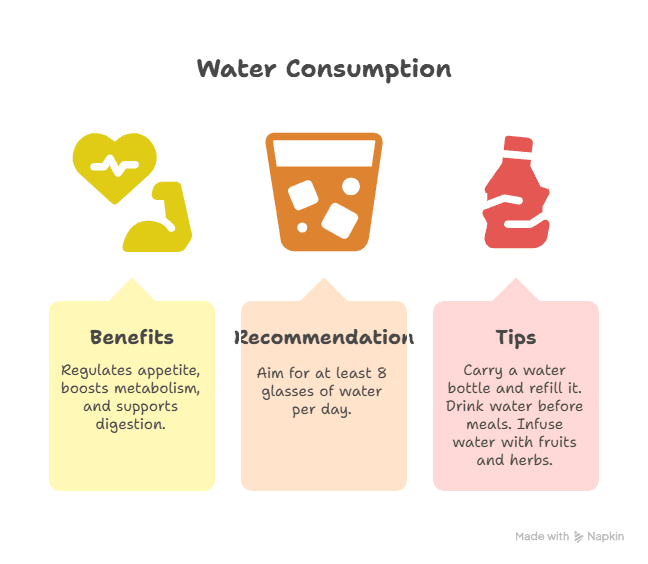
So how do we stay hydrated? Aim for at least eight 8-ounce glasses per day—that’s around two liters if you’re doing math right now! If plain water feels dull after three sips (guilty!), try jazzing things up with slices of lemon or cucumber added directly into your glass—or opt for herbal teas which count toward overall fluid intake too!
And speaking of which… did I mention sparkling water? It gives off that fizzy soda vibe without any added sugars lurking inside! Finding ways to enjoy drinking more fluids will ultimately lead us closer toward better overall wellness goals while fueling our bodies properly along the way.
Mindful Eating: Savor Every Bite

Eating in front of a mirror can help you practice mindful eating, but be warned: it might also lead to awkward conversations with your reflection about how many chips you really need. “Dieting is the only game where you win when you lose!” —Karl Lagerfeld |
In today’s fast-paced society, when multitasking has become an art form in and of itself, mindful eating often gets pushed to the side because of all the distractions (such scrolling through social media). But taking your time while eating might turn meals into special times to enjoy instead.
What does it mean to eat mindfully? Picture this: you’re at the dinner table, and instead of looking at your phone or watching TV, you take a moment to actually pay attention to what’s in front of you. It’s all about taking your time at meals and only paying attention to the food instead of the screens around you or the people talking nearby. Who would have thought that chewing could be so relaxing? It’s like turning every meal into a little meditation session!
Let’s go over this in more detail. We start mindful eating by paying attention to our senses. This means taking a new look at our food and actually examining its colors, forms, and how it is presented. Does the salad have a lot of bright greens and reds in it? Does that piece of grilled chicken have those lovely char marks? We start to become excited about what we’re about to consume when we notice these little things.
Now it’s time to taste the cuisine, which is the best part! Instead of cramming in food while you’re watching Netflix (guilty as charged), consider taking smaller nibbles and enjoying each one. Pay particular attention to the textures you feel, from crunchy carrots to creamy avocado, and let those flavors dance on your tongue. You might even discover new flavors you didn’t know you liked! Have you ever bitten into a luscious strawberry and had it burst with sweetness? Or heard the delicious crunch of almonds that had just been roasted? It’s like your taste buds are getting a special VIP treatment!
When we let ourselves enjoy our food instead of speeding through it like we’re training for a speed-eating event, we typically feel more satisfied with lesser servings overall! Yes, that’s correct. Research shows that people who eat consciously tend to eat less because they are better at knowing when they are full. Have you ever eaten a whole bag of chips and then realized halfway through that you weren’t even hungry anymore? Being mindful when eating can help you avoid those “oops” situations.
Also, being there for meals can help us feel more connected to food on an emotional level. We begin to perceive it as more than just fuel; we see it as something that makes us feel good and nourishes our bodies and minds at the same time. Think about family dinners where everyone is laughing. Isn’t there something special about eating together? Mindful eating tells us to enjoy those times and truly appreciate them instead of letting ourselves get distracted.
So how can we make this a part of our daily lives? First, make the dining area welcoming. Dimming the lights or putting out lovely plates could help establish the mood. Put away your electronics and turn off notifications so you can eat without being interrupted. And if you start to think about tomorrow’s business meeting or what happened on last night’s episode of your favorite show, don’t worry! Just gently bring your attention back to the food in front of you.
In conclusion, mindful eating means really connecting with our food and enjoying each bite as if it were a gift, not just going through the motions. We may turn dinner from a frantic chore into a happy event full of flavor and thanks by slowing down and really enjoying what we eat. So the next time you eat, remember to take your time and enjoy every tasty bite. It could transform the way you think about food for good!
Plus, there’s something amazing about taking breaks between meals and noting when you’re full and your body says, “Hey buddy, you’ve had enough!” So the next time you feel tempted to eat after dinner, remember this: enjoying your food makes it easy to enjoy it and stay within your limits at the same time…
The Power of Community Support
Lastly but certainly not leastly (yes—I made that word up!), surrounding ourselves with supportive communities plays an invaluable role when striving toward better diet nutrition practices over time—a truth I’ve witnessed firsthand countless times throughout my own journey toward healthier living choices alongside family & friends alike!
Joining local groups focused on fitness activities provides motivation beyond measure since accountability becomes woven seamlessly amongst peers sharing similar goals together…who doesn’t love encouragement paired alongside friendly competition?
Suggested Resources
Healthy Eating Plate
https://www.hsph.harvard.edu/nutritionsource/healthy-eating-plate/
Nutrition.gov
https://www.nutrition.gov/
ChooseMyPlate.gov
https://www.choosemyplate.gov/
The Academy of Nutrition and Dietetics
https://www.eatright.org/
FoodData Central
https://fdc.nal.usda.gov/
Frequently Asked Questions
What are macronutrients and why do they matter?
Macronutrients are carbs, protein, and healthy fats. They support energy, muscle repair, and vitamin absorption and are essential for balanced nutrition and weight control.
How can micronutrients help with weight loss?
Micronutrients support cell function, immunity, and energy balance. Eating colorful produce ensures you get enough vitamins and minerals for proper metabolism.
Is meal prepping beneficial for healthy eating?
Yes, meal prepping saves time and reduces impulsive eating. Having food ready helps maintain control over choices during busy days.
How much water should I drink daily?
Aim for around eight glasses per day unless directed otherwise by a health professional. Hydration can reduce cravings and support digestion.
Can mindful eating improve portion control?
Yes, eating slowly and without distractions helps you recognize fullness sooner. This often leads to naturally eating less without feeling deprived.
Why does food variety matter?
Different food colors provide different nutrients. Rotating fruits and vegetables increases vitamin and mineral coverage for whole-body health.
Does community support help with diet success?
Yes, accountability and shared goals make habits easier to maintain. Supportive groups boost consistency and motivation.

Kevin Collier is a passionate nutritionist and wellness advocate dedicated to helping individuals achieve their health goals through balanced eating and sustainable lifestyle choices. With years of experience in the field, Kevin believes in the power of nutritious food to transform lives and specializes in creating articles about diet plans and achieving weight loss goals. When not writing for DietDino, Kevin enjoys exploring new recipes, staying active outdoors, and sharing tips on mindful living.