When it comes to dieting, the term “nutritious” can feel like a buzzword tossed around by health enthusiasts. But what does it really mean? Honestly, nutritious dieting is all about making choices that nourish your body while still allowing for some tasty treats along the way. It’s not just about salads and smoothies; it’s about finding a balance that feels good and keeps you energized. So grab a snack (preferably something healthy), and let’s dive into this delicious topic!
Top Takeaways and Key Concepts
- Focus on whole foods like fruits, vegetables, whole grains, lean proteins, and healthy fats.
- Balance macronutrients by including carbohydrates for energy, protein for muscle repair, and healthy fats for overall wellness.
- Plan meals ahead to save time, reduce stress, and mix flavors creatively.
- Snack smartly by choosing nutrient-dense options like veggies with hummus or air-popped popcorn.
- Stay hydrated and allow treats by drinking water consistently and enjoying indulgences in moderation.
Article Summary
Nutritious dieting is about nourishing your body while maintaining balance and enjoyment. Emphasizing whole foods and a proper balance of carbohydrates, proteins, and healthy fats ensures energy, muscle repair, and overall wellness. Meal planning and prep make healthy eating convenient and allow for creative, flavorful combinations. Smart snacking keeps hunger and cravings in check, while adequate hydration supports energy and body function. Finally, allowing occasional treats promotes sustainability and a positive relationship with food, making nutritious eating both practical and enjoyable.
Video Summary
Understanding Nutritional Basics
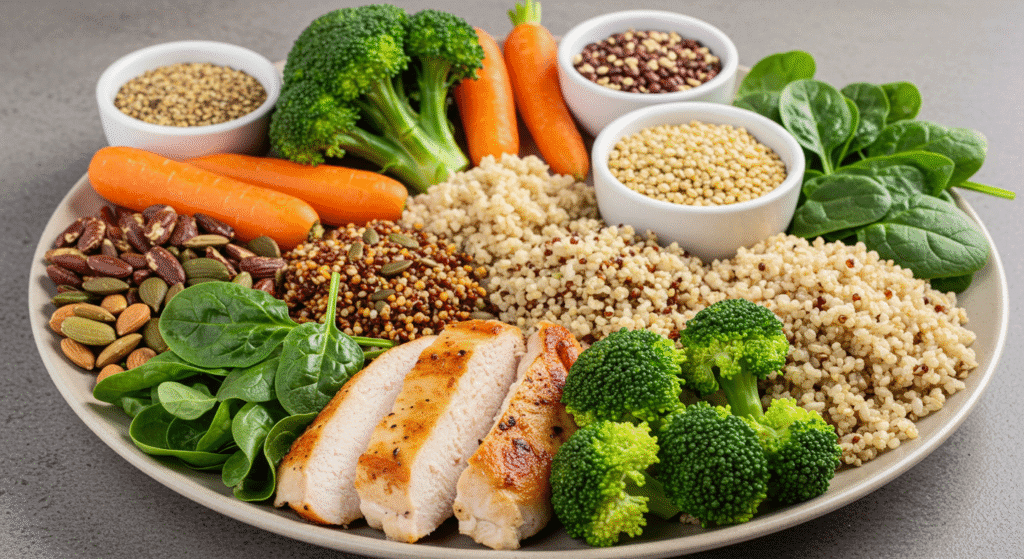
To kick things off, let’s talk about what makes up a nutritious diet. It sounds fancy, but at its core, it's pretty simple! Think of your body as a car. You wouldn’t fill up your vehicle with soda and candy bars and expect it to run smoothly, right? Similarly, our bodies thrive on whole foods—fruits, vegetables, whole grains, lean proteins, and healthy fats. These are the superhero ingredients that help us power through our day.
Interestingly enough, understanding macronutrients—carbohydrates, proteins, and fats—can be quite eye-opening. It’s like unlocking a treasure chest of knowledge about what our bodies really need! Let’s break it down further because each of these nutrients plays a unique role in keeping us energized and healthy.
First up are carbohydrates. Think of carbs as the gasoline for your body’s engine. They come in two forms: simple and complex. Simple carbs are the quick-energy kind found in sugary snacks and drinks, giving you that instant boost (you know, the one that makes you feel like you can conquer the world for about ten minutes). On the other hand, complex carbs—like whole grains, fruits, and veggies—are more like slow-burning logs on a cozy fire. They provide sustained energy over time, helping you power through those pesky math problems or keep up with your favorite video game marathon without crashing halfway through!
Now let’s talk about proteins. If carbohydrates are fuel, then proteins are the builders—the construction crew working hard behind the scenes to keep everything running smoothly. When you lift weights at the gym or run around chasing after your dog in the park (because who doesn’t love a good game of fetch?), your muscles experience tiny tears that need repairing. That’s where protein swoops in like a superhero! Foods rich in protein—such as chicken, fish, beans, and legumes—help rebuild those muscles stronger than before while also supporting immune function and hormone production. So next time you're thinking about skipping that post-workout snack, remember how much your muscles will appreciate some protein-packed goodness!
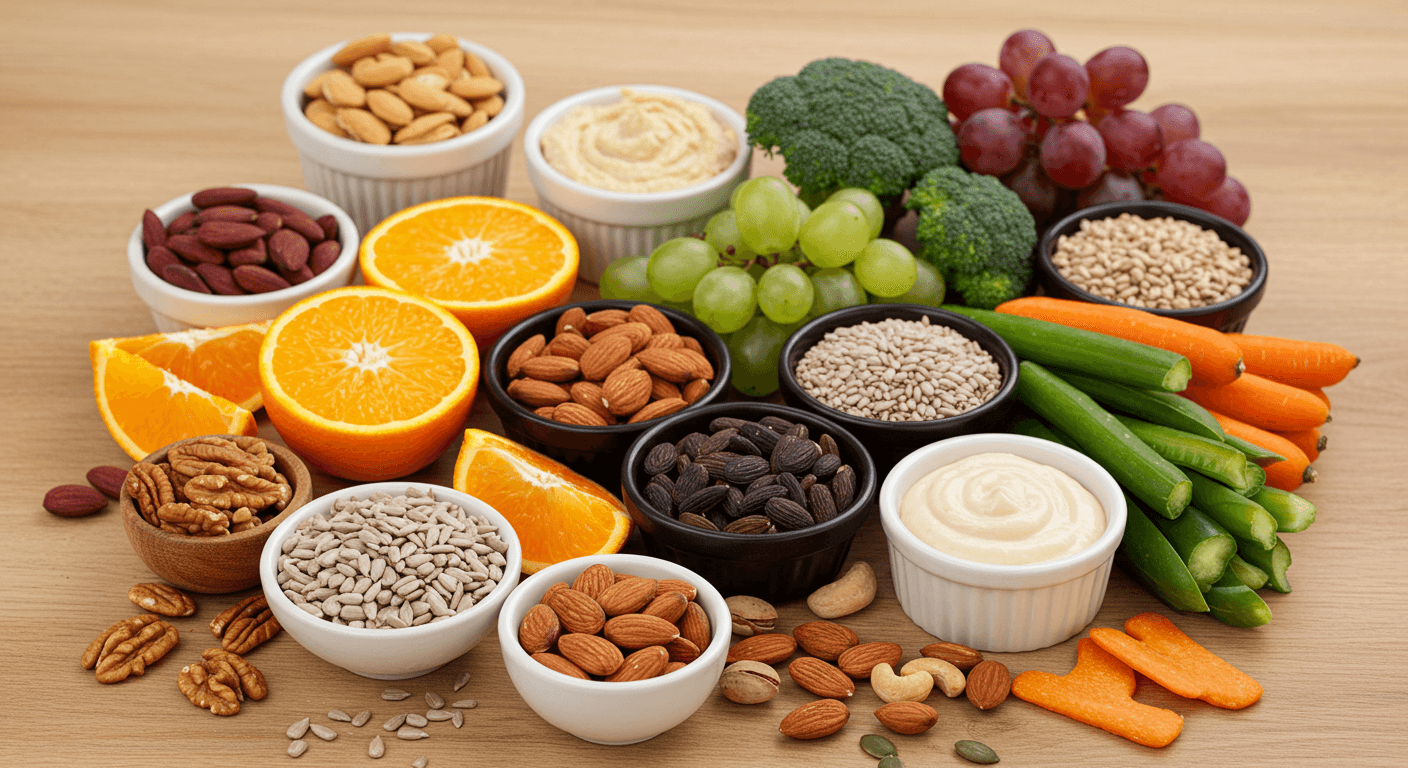
And let’s not forget about fats! Often misunderstood and sometimes unfairly vilified by diet trends gone wild, healthy fats are essential players in this nutrient trio. They’re not just there to make guacamole taste amazing; they have serious health benefits too! Healthy fats from sources like avocados, nuts, seeds, and olive oil help keep our skin glowing and our hearts happy. They assist with nutrient absorption (meaning all those vitamins from your salad actually get used), support brain health (hello clarity!), and even provide energy when carbs aren’t available.
So here we have it: carbohydrates give us immediate energy; proteins repair and build our bodies; and healthy fats support overall wellness while making meals deliciously satisfying. All things considered, understanding these macronutrients empowers us to make informed choices that nourish our bodies rather than just filling them up with empty calories. Who knew dieting could be so enlightening?
But wait! Before you start Googling “best protein sources,” remember that balance is key here. No food group should be completely off-limits unless there’s an allergy involved (looking at you, gluten!). Instead of going full-on diet mode where everything feels restricted, aim for moderation in each category. This way, you can enjoy pizza night without feeling guilty while also fueling up on nutrients during the week.
Meal Planning Made Easy
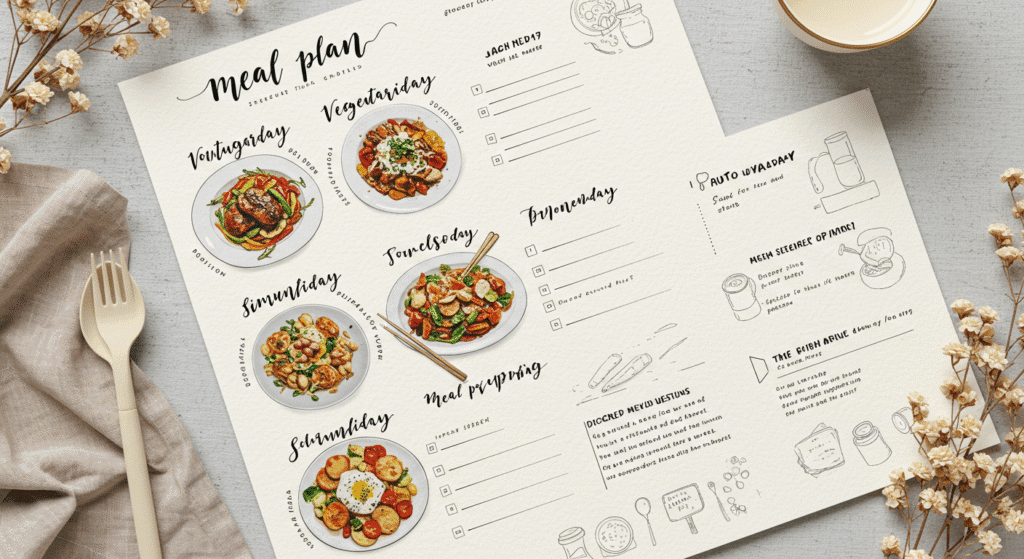
Now that we have a grasp on what nutritious dieting entails let’s chat about meal planning because honestly—it can save your life! Picture this: Sunday rolls around and instead of scrambling through your fridge every evening wondering what to eat (and maybe ending up with cereal again), you’ve got meals prepped like a culinary ninja!
Start by picking out recipes that excite you—maybe something spicy or sweet—and then make a grocery list based on those dishes. Pro tip: try to include colorful fruits and veggies because if it looks good on Instagram, chances are it’ll taste great too! Once you're stocked up with fresh ingredients galore, carve out time during the week to chop veggies or cook grains in bulk.
Speaking of which—the beauty of meal prep is that it allows for creativity throughout the week! It’s like being a chef in your own kitchen, but without the pressure of a cooking competition. Imagine diving into your fridge and discovering a treasure trove of prepped ingredients just waiting to be transformed into something delicious. If Monday's dinner was quinoa salad topped with grilled chicken, why not turn Tuesday's leftovers into zesty chicken tacos? That’s totally cool!
Meal prepping isn’t just about making food ahead; it's about embracing the art of mixing and matching flavors. You can whip up a batch of roasted veggies on Sunday, and then incorporate them into different meals all week long. Toss them in an omelet for breakfast, stir them into a grain bowl for lunch, or blend them into a pasta sauce for dinner. Honestly, who said healthy eating had to be dull? With a little creativity, you can make every meal feel like an adventure!
Let’s talk spices and seasonings—these little powerhouses can elevate even the simplest dishes from “meh” to “wow!” A dash of cumin here, some garlic powder there, and suddenly your quinoa salad transforms from basic to bursting with flavor. Consider experimenting with different cuisines throughout the week: Italian one night with fresh basil and tomatoes, then switch it up to Mexican with cilantro and lime another night. It’s like traveling around the world through your taste buds—all while staying committed to nutritious dieting.
And don’t forget about sauces! A drizzle of homemade vinaigrette can jazz up any dish, while salsas or chutneys add that extra zing we all crave. Think about how much fun it is to dip fresh veggies in hummus or slathering avocado on toast instead of plain butter—simple changes that keep meals exciting!
Interestingly enough, incorporating variety not only makes mealtime more enjoyable but also ensures you’re getting a wide range of nutrients. Different colors on your plate usually mean different vitamins and minerals too—so go ahead and channel your inner artist! Fill that plate with vibrant greens, fiery reds, sunny yellows, and deep purples; it’s like creating a masterpiece while nourishing your body at the same time.
So remember this as you embark on your meal prep journey: mix things up so eating healthy doesn’t become boring; nobody wants bland meals when they could be enjoying flavor explosions instead! Embrace experimentation in the kitchen because each dish offers an opportunity to discover new favorites—and who knows? You might just stumble upon your next culinary triumph right there among those neatly stacked containers in your fridge!
Snacking Smartly
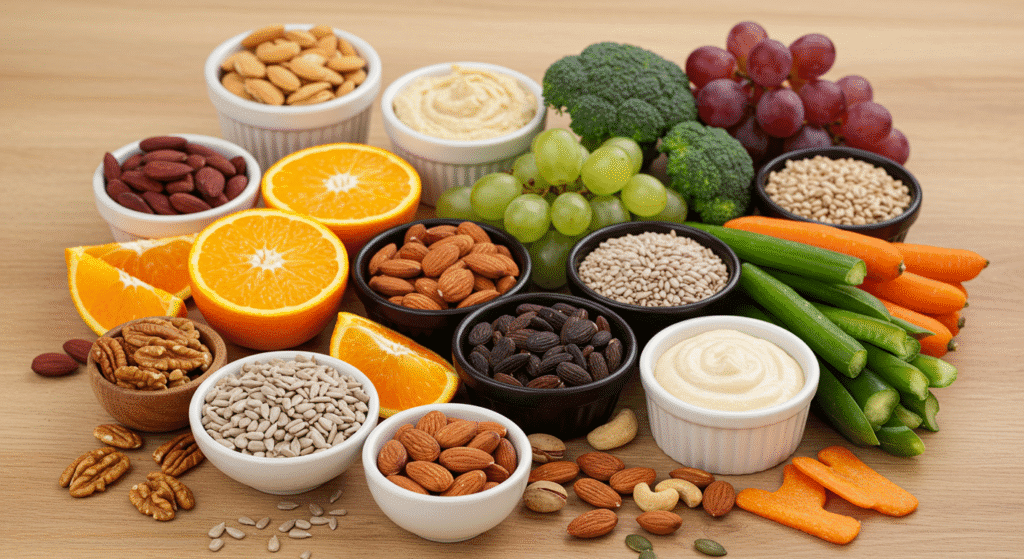
Let’s face it—we all love snacks! Whether it's crunching away on popcorn during movie night or sneaking cookies from the jar when no one is watching (guilty!), snacking can either derail our diets or support them beautifully. The secret lies in choosing smarter options rather than reaching for processed goodies every time hunger strikes.
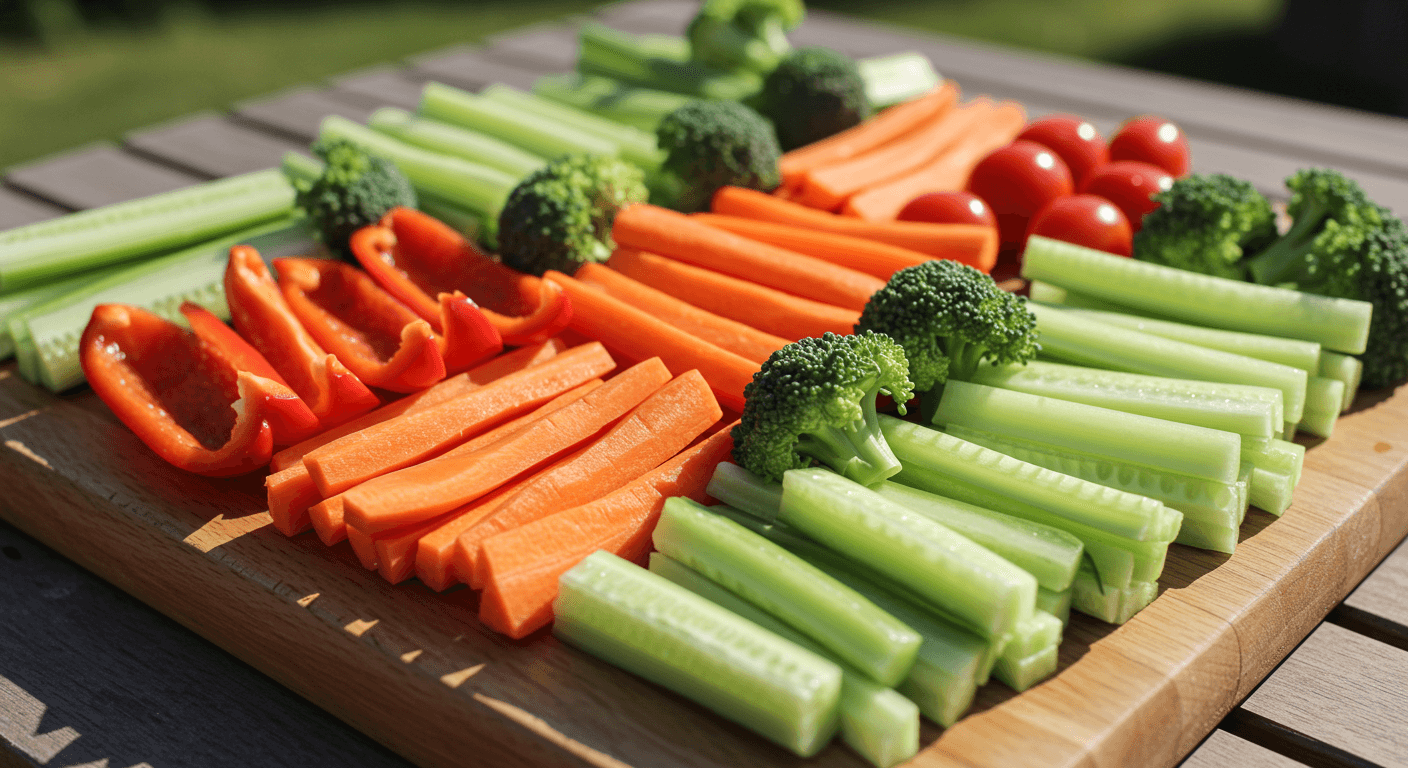
For instance, consider swapping chips for air-popped popcorn seasoned with herbs or grabbing some hummus alongside carrot sticks instead of ranch dip (sorry ranch lovers!). Now, I know what you're thinking: “But chips are so crunchy and satisfying!” True, but hear me out. Air-popped popcorn is like the little engine that could when it comes to snacking. It’s light, fluffy, and you can flavor it however your heart desires! Toss on some garlic powder or sprinkle a bit of nutritional yeast for a cheesy kick without the calories. You’ll be surprised at how satisfying this swap can be.
And let's talk about those carrot sticks. Crunching into fresh veggies dipped in creamy hummus is not only delightful but also a smart move for your body. Hummus is packed with protein and fiber from chickpeas—talk about a power couple! This combo will keep you feeling full longer than any greasy chip ever could. Plus, carrots have that natural sweetness that pairs perfectly with the savory goodness of hummus. Honestly, who needs ranch when you've got this dynamic duo?
Now, if you're worried about taste being sacrificed in these swaps—don’t be! The key lies in getting creative with flavors. For example, think about adding spices to your hummus like smoked paprika or cumin; they can take your dipping experience to a whole new level! And if you’re feeling adventurous, try blending different veggies into your hummus—beets for color and earthiness or roasted red peppers for sweetness add exciting twists!
Interestingly enough, making these simple substitutions doesn’t just benefit your waistline; it also helps curb those pesky cravings without leaving you feeling deprived. When we indulge in nutrient-dense foods rather than empty-calorie snacks, our bodies tend to respond positively by reducing hunger pangs and keeping energy levels stable throughout the day. Who knew that something as simple as switching up your snack game could lead to such a profound impact on how you feel?
So next time you're reaching for those chips during movie night or eyeing that tempting ranch dip at a party, pause for a moment and consider the alternatives available to you. Embrace the crunch of air-popped popcorn seasoned with herbs or enjoy the vibrant freshness of carrot sticks paired with deliciously creamy hummus. Not only will these alternatives provide more nutrients than their counterparts, but they'll also satisfy your cravings while keeping things fun and flavorful! After all, nutritious dieting doesn’t mean sacrificing enjoyment—it means finding smarter ways to snack while still having a blast!
And here’s an idea: why not get creative? Make fun combinations like apple slices drizzled with almond butter or yogurt topped with berries—trust me; these little delights will make snacking feel like an adventure rather than just another chore!
Hydration Matters
Now onto hydration—because drinking water isn’t just something adults tell kids to do before bed! Staying hydrated plays an enormous role in how well we function throughout our day-to-day lives. Did you know dehydration can lead to fatigue? Yup! That sluggish feeling could simply be due to not sipping enough H2O!
So how much should we drink? The classic eight glasses a day rule isn't set in stone but serves as a decent guideline. Honestly, it’s like that old saying about eating your veggies; it’s good advice, but not the only thing to consider. To be fair though—not everyone needs exactly eight cups since factors such as activity level and climate come into play too. For instance, if you’re someone who spends hours at the gym lifting weights or running marathons, your hydration needs are going to be different from someone who enjoys a leisurely stroll around the block.
As a matter of fact, if you're sweating buckets during summer sports practice—or even just lounging by the pool—you might want more! I mean, have you ever tried to enjoy a sunny day while feeling parched? It’s like trying to enjoy a movie with your favorite snack missing—just not right! When you sweat, you're losing not just water but also electrolytes that help keep your body functioning smoothly. So grabbing an extra glass (or two) is totally justified when you're working up a sweat.
Interestingly enough, some experts suggest listening to your body instead of strictly adhering to that eight-glass rule. Thirst is our body's way of telling us it needs more fluids—like a little alarm bell ringing inside us! If you're feeling dry or fatigued, it's time for another drink. And let’s not forget about those sneaky sources of hydration: fruits and vegetables can pack quite the punch too! Snacking on watermelon or cucumbers can contribute significantly to your daily fluid intake without making you feel like you’ve guzzled down an entire ocean.
On the other hand, there are situations where people may need less than those magical eight glasses. If you’re sitting at home on a rainy day binge-watching your favorite show and barely moving from the couch (guilty!), then maybe you don’t need to chug water like it's going out of style. It's all about balance and finding what feels right for you personally.
In conclusion, while aiming for those eight glasses can be helpful as a starting point, remember that hydration is highly individualistic! Factors such as exercise intensity, weather conditions, and personal comfort levels play huge roles in determining how much water each person actually needs. So grab that reusable bottle and sip throughout the day—your body will thank you for it!
If plain water seems dull (I hear ya!), try jazzing things up by adding slices of lemon or cucumber for flavor flair! Herbal teas also count toward hydration goals while giving you cozy vibes any time of year.
Making Room for Treats
Lastly—but certainly not least—is making room for treats in your nutritious diet plan because life is too short not to enjoy dessert occasionally! Seriously though—it doesn’t have to be all kale salads 24/7; indulging here and there helps maintain balance without spiraling into guilt territory afterward.
Instead of viewing sweets as forbidden fruit (pun intended), incorporate them mindfully into your routine—a piece of dark chocolate after dinner can satisfy cravings without derailing progress entirely! Plus embracing moderation teaches us valuable lessons about self-control while keeping joy alive when indulging happens naturally within reason.
In conclusion—and I promise this isn’t my final exam speech—nutritious dieting revolves around listening closely to what works best for YOU personally while incorporating wholesome foods alongside enjoyment seamlessly into everyday life!
Suggested External Resources
Nutritious Eating Tips
https://www.choosemyplate.gov/eathealthy/nutrition-tips
Healthy Snack Ideas
https://www.eatright.org/food/planning-and-prep/snack-ideas-for-kids
Meal Prep 101
https://www.foodnetwork.com/how-to/packages/food-network-essentials/meal-prep-guide
The Importance of Hydration
https://www.cdc.gov/nutrition/data-statistics/plain-water.html
Understanding Macronutrients
https://www.healthline.com/nutrition/macronutrients#what-are-macronutrients
Frequently Asked Questions
What does nutritious dieting actually mean?
Nutritious dieting means choosing foods that nourish your body and provide energy, nutrients, and satisfaction while still allowing occasional treats in moderation.
Why are whole foods important in a healthy diet?
Whole foods contain more vitamins, minerals, fiber, and nutrients than processed foods, which helps improve energy, digestion, and long-term health.
How does balancing macronutrients support better eating?
Balancing carbohydrates, proteins, and healthy fats ensures your body gets fuel, muscle repair support, and nutrients for overall wellness.
Is meal planning helpful for staying consistent?
Yes, planning meals saves time, reduces decision stress, and helps you make healthier choices instead of relying on fast food or convenience snacks.
What are examples of smart nutritious snacks?
Veggies with hummus, air-popped popcorn, fruit with nut butter, and yogurt with berries are nutrient-dense choices that keep you satisfied.
How much water should someone drink daily?
Hydration needs vary, but aiming for around eight glasses per day is a reasonable starting point, adjusting based on climate and activity level.
Can I still enjoy sweets while eating healthy?
Yes, allowing occasional treats in moderation helps maintain balance and keeps healthy eating sustainable long term.

Kevin Collier is a passionate nutritionist and wellness advocate dedicated to helping individuals achieve their health goals through balanced eating and sustainable lifestyle choices. With years of experience in the field, Kevin believes in the power of nutritious food to transform lives and specializes in creating articles about diet plans and achieving weight loss goals. When not writing for DietDino, Kevin enjoys exploring new recipes, staying active outdoors, and sharing tips on mindful living.