Dieting feels kind of like trying to find a unicorn in a haystack (Not that I have ever personally tried that). With all the conflicting advice out there, it’s easy to get lost in the sea of kale smoothies and gluten-free snacks. But let's not worry about all that right now. I’m here to share some practical dieting tips and diet advice that won’t leave you feeling deprived or confused. Go ahead and grab your favorite snack (preferably something healthy, but no judgment here) and let’s dive into this particular topic!
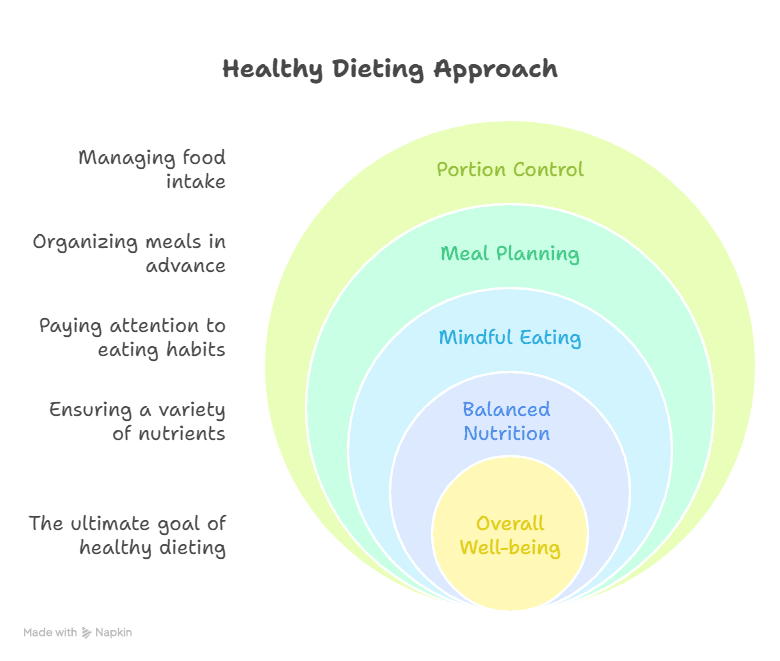
Top Takeaways and Key Concepts
- Identify your “why” to stay motivated and resist unhealthy temptations.
- Set small, realistic goals and celebrate each milestone to stay encouraged.
- Prep balanced meals weekly to save time, reduce stress, and control portions.
- Add enjoyable movement daily—dance, walk, or hike—to make fitness sustainable.
- Track food, habits, and emotions to recognize patterns and improve consistency.
Summary:
This article offers a practical, uplifting approach to dieting that focuses on sustainability and mindset rather than restriction. It begins with the importance of finding a personal “why,” a deeper motivation that keeps you committed when cravings hit. From there, it emphasizes setting achievable goals, celebrating progress, and avoiding unrealistic expectations. Meal prepping is highlighted as a key to maintaining balance and reducing temptation, while adding fun physical activities turns exercise into something enjoyable. The text also underscores mindful eating and tracking progress to identify patterns and stay accountable. Overall, it promotes steady, self-compassionate progress toward long-term health and confidence.
Video Summary
Find Your “Why” for Dieting

People often say, “Find your why,” but if your reason for dieting is just to fit into that old pair of jeans, you might want to ask yourself: “Is it really worth the emotional rollercoaster and the inevitable ‘jeans stretch' dance?”
“Nothing tastes as good as skinny feels.” —Kate Moss
Before you even consider about what you want to eat, take a time to think about why you are starting this trip. Think about how great it would be to wake up every day with a clear goal, like having your own personal cheerleader! It might be anything from needing more energy for your kids' soccer games to being able to wear that great dress you have hanging in your wardrobe.
Having a solid purpose to stick to your diet is like having a reliable compass in a world full with temptation. You know how sometimes you just walk around the kitchen without thinking and then those cookies in the cupboard start whispering sweet nothings to you? They seem to have a magical draw. But this is when the strong “why” comes in. Once you've figured out why you want to lose weight—maybe it's to fit into your favorite clothes, feel more energetic, or just live a healthy life—this reason will function like an invisible wall against those sugary sirens.
To be honest, it's very important to keep that “why” in mind. It's not only about saying no to cookies; it's about remembering what's really important. Picture yourself with a cookie in one hand and a picture of your goal in the other. The cookie might appear good, but when you think about how good you'll feel after choosing healthier choices, it doesn't look as good. This change in your mind might make cravings seem like background noise instead of a powerful force that pulls you off track.
When dessert time rolls around and you're faced with delicious options—like that chocolate cake at a friend’s birthday party—it becomes easier to say no when you remember why you started this journey in the first place. Picture yourself at that party: instead of focusing solely on what everyone else is indulging in, you're reminded of your commitment to health and well-being. You might even find yourself enjoying the company more than the cake!
Additionally, sharing your “why” with friends or family can create a support system that holds you accountable. They can help remind you during weak moments, giving gentle nudges back toward your goals while cheering for every small victory along the way! So next time those cookies come calling, take a deep breath and let your purpose guide you away from temptation—it makes all the difference!
Set Realistic Goals
If your goal is to lose weight, remember that saying “I’ll lose 20 pounds by next week” is like saying “I’ll become a unicorn by tomorrow”—both are magical but highly unrealistic!
“Set a goal so big you can’t achieve it until you grow into the person who can.” —Zig Ziglar
Now that you've got your motivation sorted out, let’s talk goals. Setting realistic goals is crucial because nobody wants to feel like they’re climbing Mount Everest after just one workout session! Instead of saying, “I want to lose 30 pounds by next week,” try breaking it down into smaller milestones.
Think about it: aiming to lose just one pound per week is not only realistic, but it’s also a fantastic way to set yourself up for success. It’s like running a marathon instead of a sprint—who wants to crash and burn after the first mile? Losing weight gradually means you’re more likely to adopt sustainable habits rather than just going on some wild diet that leaves you feeling deprived and cranky. Honestly, who enjoys being cranky? Not me!
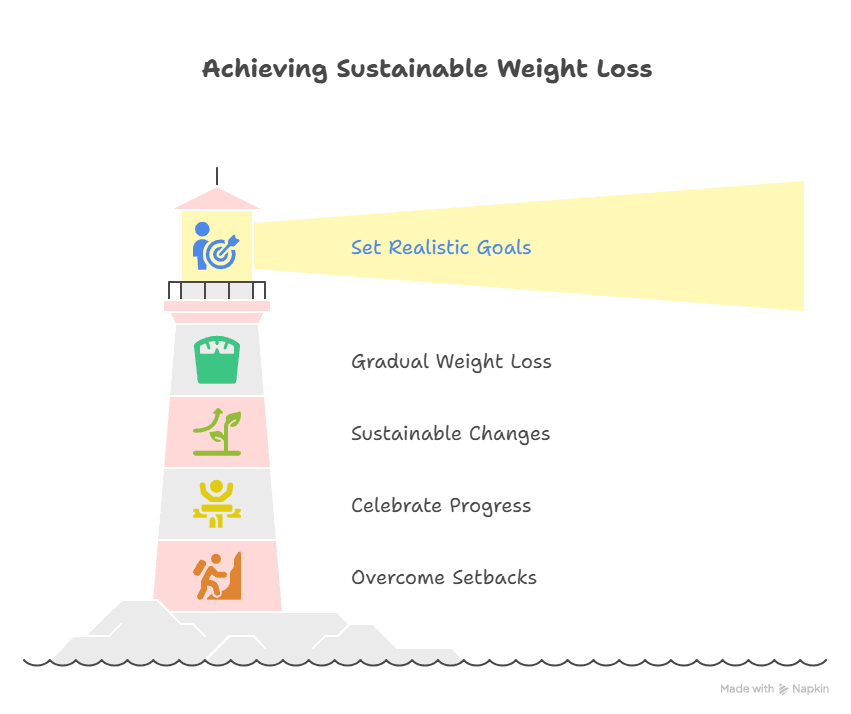
Now let's talk about how to celebrate those little wins! When you go on the scale and watch that little number go down, it's like winning a small lotto. I mean, why not give yourself a high-five in the mirror? Really! Every pound you lose should be celebrated because it shows how hard you worked and how committed you are. You may even reward yourself with something nice that isn't food-related, like a new book, some cozy socks, or that gorgeous plant you've been wanting at the shop. It's all about making good connections with your progress.
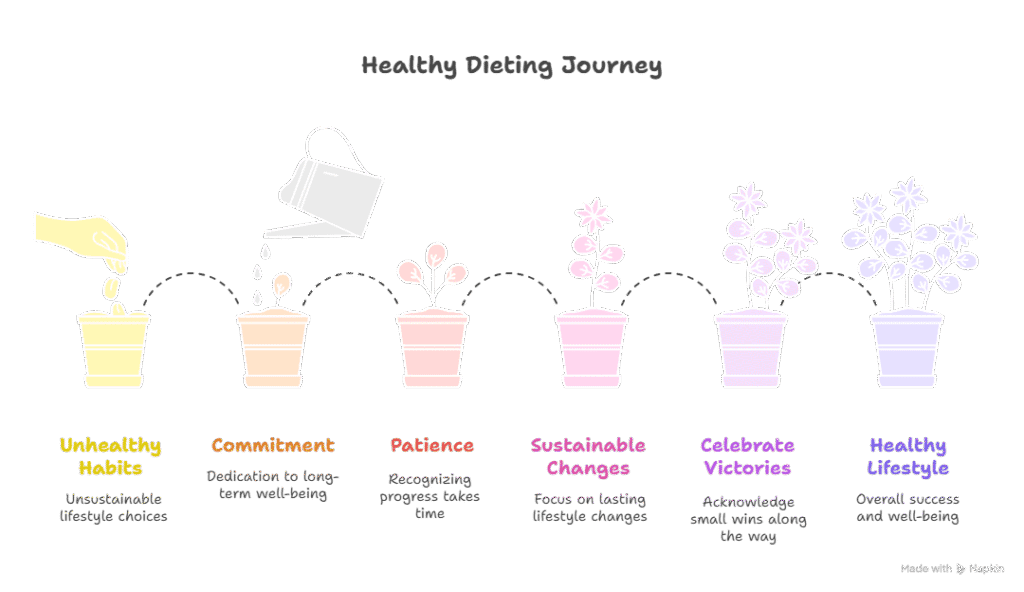
When it comes to losing weight, slow and steady truly does win the race. If you hurry things along and try severe diets or hard workouts, you're going to burn out faster than you can say “chocolate chip cookies.” If you take your time, you'll not only lose weight, but you'll also learn how to eat better that will last long after you reach your goal. This method also helps you stay sane while keeping those annoying foods away.
To be honest, no one likes to feel like they have to fight off urges or temptations every day. You are much more likely to keep your life in balance without feeling deprived if you take things slowly and make small changes, like switching chips for air-popped popcorn on movie night. So keep this in mind: losing one pound at a time is really possible! Every step on this journey to achieving your greatest self counts, so celebrate each success along the way!
Make Meal Prep Your Best Friend
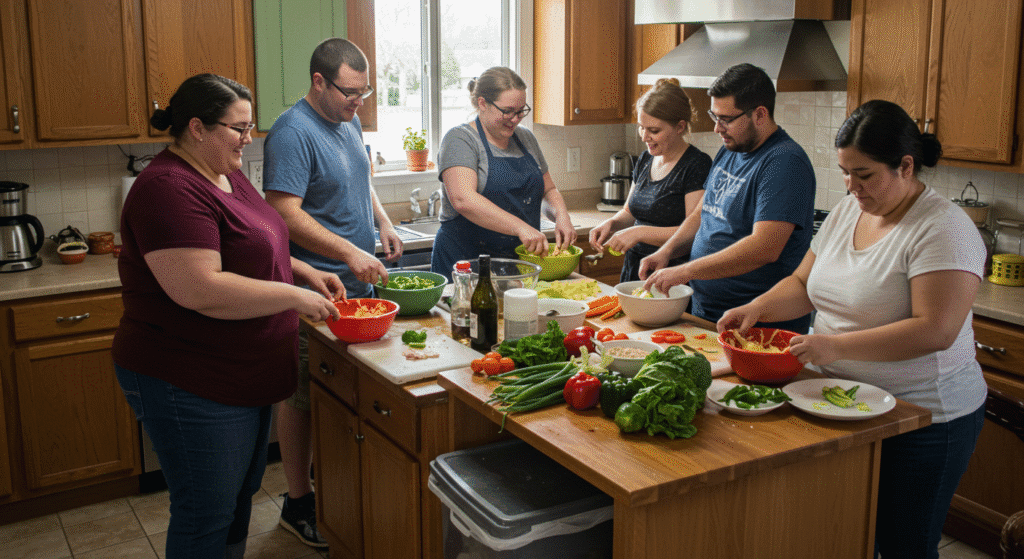
Meal prepping is like dating a salad: at first, it seems like a great idea, but soon you realize you’re just chopping vegetables and wondering where all the fun went!
“Success is often the result of taking a misstep in the right direction.” —Allyson Felix
If you don't already meal prep, let me show you how! It's like having a personal assistant who makes sure you never have a reason to eat bad food again. Every weekend, take some time to cut up vegetables or cook lean proteins so that when you're busy during the week, you have something to eat.
Think about this: You know that feeling when everything seems to be coming at you at once? Meetings, deadlines, and maybe even a surprise rain shower. You walk into your kitchen and find that your fridge is not a mess at all; instead, you find properly portioned food waiting for you. You won't have to hunt through takeout menus or cereal boxes in a panic anymore to locate something that looks like dinner. It's like unlocking a treasure chest full of delicious foods made specifically for you.
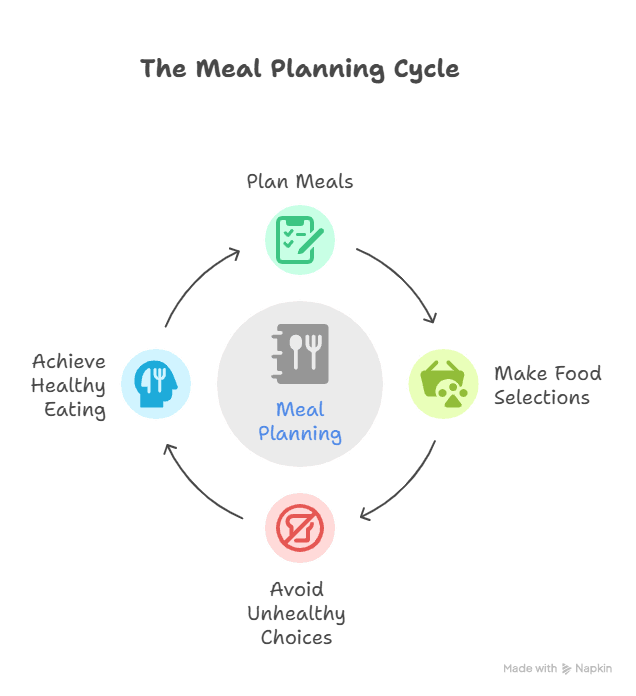
Meal prepping is like having a secret superpower, to be honest. You won't have to rely on convenience foods, which are those deceptive little things that always seem to be high in calories and low in nutrients. You may choose every single ingredient that goes into your meals. Want less salt? No problem! Want more vegetables? You got it! It's all about making meals that not only taste good but also help you reach your health objectives. Also, knowing exactly what's on your plate makes you feel better.
And let's speak about amounts, because we all know how easy it is to eat too much when there are endless snacks or huge restaurant dishes. Meal prep helps keep those annoying portion sizes in check because you measure out each serving ahead of time. It's like having a built-in portion police in your fridge—no more “just one more bite” turning into a whole pizza!
Meal planning can actually help you save time and stress during the week. Think about how nice it would be to come home from work tired and know that dinner is all cooked. Just heat it up and you're good to go! You don't have to deal with a messy kitchen or a cooking frenzy after a hard day. Instead, you can relax and enjoy a tasty prepared supper without any trouble. And think of all the money you'll save by not having to dash out for takeout at the last minute!
So, why not try making meals ahead of time? On the weekend, make a few meals and divide them up into portions for the week ahead. You'll feel organized, productive, and ready to take on everything life throws at you, plus you'll be eating tasty meals that are excellent for your taste buds and your waistline at the same time!
Incorporate Movement into Your Routine
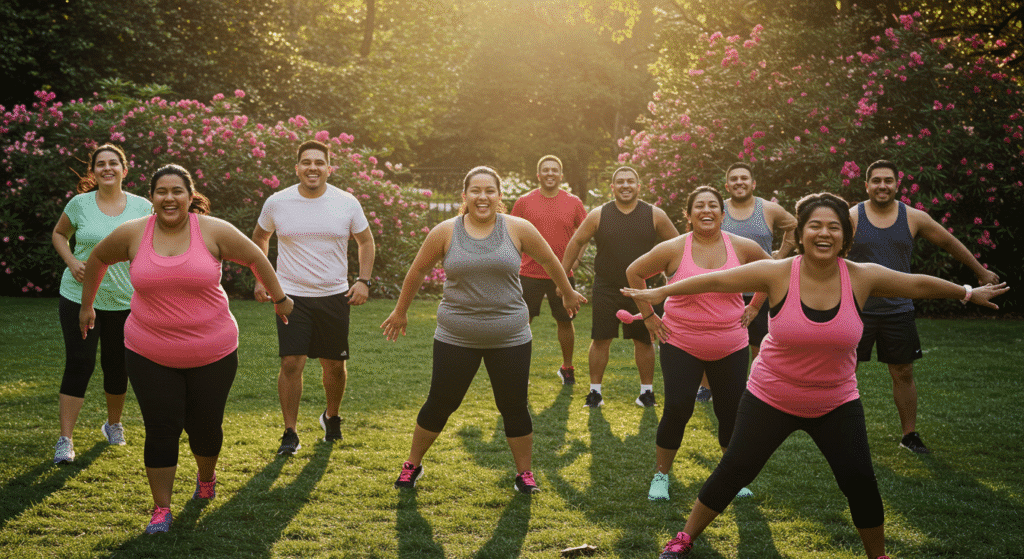
Dancing while cooking burns more calories than just standing there—plus, you get to pretend you're on a cooking show instead of just making dinner!
“Fitness is not about being better than someone else. It’s about being better than you used to be.” —Khloé Kardashian
Adding activity to your everyday routine makes it seem less scary. Instead of taking the elevator, take the stairs or walk during your lunch break. Every little amount helps burn those annoying calories without making it feel like pain! And believe me, I've done workouts that felt more like torture than fun (hello treadmill!).
When it comes to remaining active, it's quite important to find things to do that make you happy. Think about it: if you really don't want to go to the gym, you probably won't stick with it for long. But what if working out could be more fun than a punishment? Embracing movement may turn fitness from a chore into a fun aspect of life. For example, you could dance around your living room like no one is watching or invite friends to go hiking on the weekends.
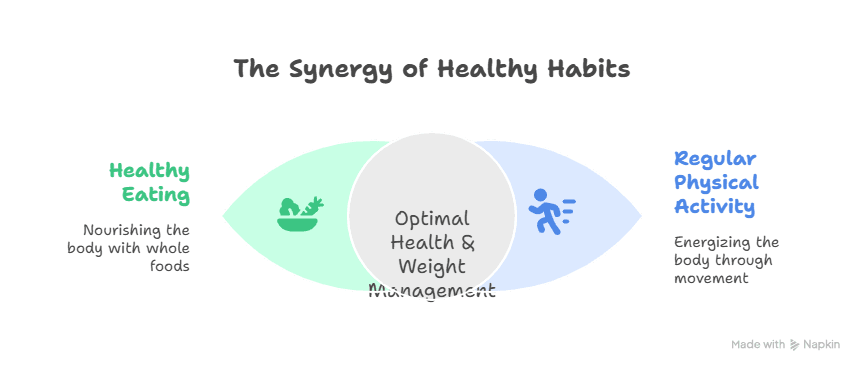
Let's get started with dancing. Imagine this: When you turn on your favorite playlist, your living room turns into a dance floor! It doesn't matter if you have two left feet or if you're doing movements that would make even the best dancers envy. What counts is that you're having fun. Not only does dancing raise your heart rate, it also makes you feel better. Every time you push play on those songs, it's like a little party. Plus, who doesn't feel great after getting rid of the tension of the day?
On the other hand, maybe you like something more outdoorsy. Hiking on the weekends is a great way to get some fitness and enjoy the beauty of nature at the same time. Picture yourself hiking with friends on beautiful green trails, laughing and taking in the amazing vistas along the way. Being outside is very rejuvenating. The fresh air fills your lungs, and every step you take makes you feel more connected to the world around you. Plus, hiking is like a workout for nature; it works out different muscle parts and gives your mind a respite from daily stresses.
It's interesting that finding delight in exercise can also help you find new activities. You might find rock climbing at an indoor gym or join up for a communal yoga session because a friend dragged you along (and thank goodness they did!). Every new item you do gives you a chance to meet people who like the same things you do and keeps things interesting. Working out isn't only about burning calories anymore; it's also about making memories and meeting new people.
And let's not forget about how different things are! Changing things up protects you from getting bored and helps you avoid burnout. You may try doing different things every day. For example, one day you could go for a quick walk in the park, and the next day you could take an online Zumba class or try kickboxing. There are so many possibilities that there's always something fresh waiting for you around the corner.
So why not take a few minutes today to think about the things that make you happy? Be creative! Do things that make you happy and get exercising in ways that feel good to you. You're much more likely to persist with exercise if it feels more like play than work. That's when genuine change happens!
Mindful Eating Matters

If you eat a cookie while standing up, it has zero calories—at least that's what your brain tells you!
“Your diet is a bank account. Good food choices are good investments.” —Bethenny Frankel
And here's a recommendation from someone who knows: being mindful when eating can shift the way we think about food. Stop between bites to give your brain time to catch up with your stomach. This way, you won't feel full before dessert even gets to the table!
Honestly, drinking water before meals can make a big difference in how hungry you feel. Imagine this: you're going to eat a great meal, but instead of plunging right in, you take a moment to drink some water first. It's like blowing up a balloon before filling it with confetti. Who doesn't love confetti? When you fill that space in your stomach with water, it makes you feel full, which helps keep those annoying desires for more food at bay.
Think about how often we eat because we are used to it instead than because we are hungry. Our brains can sometimes fool us into thinking we need more food just because it's there or the dish seems empty. But drinking water before meals gives your body a time to reset and learn what real hunger feels like. This easy tip not only helps me not eat too much, but it also makes meals more fun! As your body becomes used to what it really needs, you'll enjoy each meal more.
Also, drinking enough water has additional benefits as well! Water can speed up your metabolism a little and help your digestion, which is always a good thing when you're eating a big meal. And let's be honest: a lot of people mix up hunger and thirst. Have you ever felt your tummy rumble and then grabbed for a snack instead of a drink? I am guilty! If you feel hungry between meals, try drinking some water first. It might work!
This tiny trick to stay hydrated might also make eating more fun, which is interesting. If plain water is too boring for you (and let's be honest, it can be), try adding anything to it! Add lemon or cucumber slices for flavor, mint leaves for a refreshing twist, or even sparkling water if you want to be fancy. If you make drinking water fun, you're more likely to stick with this regimen and get the benefits.
And here's another benefit: drinking water before meals can help you learn to eat mindfully over time. You'll start making better choices without even realizing it as you learn more about what you're eating and how much you truly need. Also, who wouldn't want their dinner plate to be full of colorful vegetables and lean proteins instead of junk food?
So, the next time you sit down to eat, whether it's breakfast, lunch, or dinner, take a moment to raise your glass and drink some water before you eat. You'll not only be doing great things for your waistline, but you'll also be treating yourself to a fun meal that allows room for all the wonderful stuff without going overboard! That's great!
Get Enough Sleep

Studies show that sleep-deprived people are more likely to reach for snacks, especially those with high sugar content. So, if you’re craving cookies at 2 a.m., blame it on the lack of beauty sleep!
“Every time you eat or drink, you are either feeding disease or fighting it.” —Heather Morgan
Sleep quality is something that many people don't think about when they are on a diet. Try to get seven to nine hours of sleep each night. Make a nice nighttime routine that tells your body it's time to relax. Think about warm tea, soft lights, and maybe even some light reading. If you like, you could also watch a lot of cat videos.
Believe me, when you wake up, you'll feel great and ready to take on whatever comes next! Picture waking up in the morning, stretching like a cat in the sun, and feeling awake instead of sleepy. That's what a good night's sleep can do for you! When you make sleep a priority, it's like hitting the reset button on your body so you can face the day with energy and clarity.
Now, let's talk about the other side: not getting enough sleep. It can be a sneaky way to ruin our finest plans. When we don't get enough sleep, our bodies start to send out signals that make us want to munch on unhealthy foods. Have you ever searched through your pantry at midnight for something that looks like food? Yes, I've been there too! When we're weary, our brains want immediate energy increases because they need nourishment to work well. Sadly, such desires frequently make us want to eat sugary snacks or processed junk, which offer us a quick sugar boost but then make us crash.
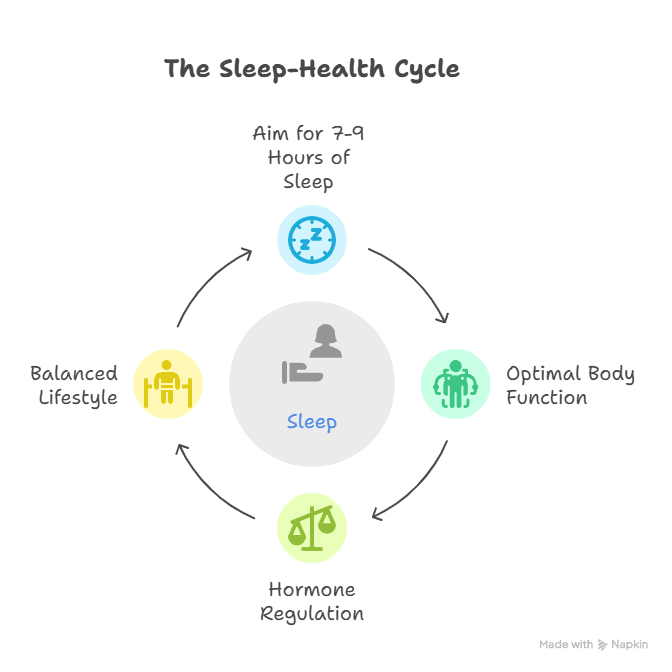
Studies have shown that not getting enough sleep changes the hormones that control our hunger. Ghrelin, which tells us we're hungry, goes up, and leptin, which tells us we're full, goes down. This imbalance in hormones makes it tougher to say no to those tempting late-night nibbles or second helpings at dinner. Now you know why your willpower seems to disappear after a night of little sleep! Your body is virtually asking for more food to keep its energy levels steady.
But here's where the magic happens: if you promise to get seven to nine hours of good sleep every night, you can cut down on those late-night snack attacks by a lot. And let's be honest: who doesn't want to feel less guilty about eating too much of that leftover pizza? Also, when you get enough sleep, you're more likely to make healthy decisions all day long. When your mind is clear and concentrated, you'll want to eat fruits and vegetables instead of chips or cookies.
To make this peaceful space, think about making a pleasant bedtime routine that tells your body it's time to relax. Imagine holding a warm cup of tea, the lights in your room dimmed to a soft glow, and maybe even doing some light reading or binge-watching cat videos if that's more your thing! The idea is to make the room feel relaxing so that falling asleep is as easy as pie (or should I say cake?).
So keep in mind that putting sleep first isn't just about not waking up with sleepy eyes; it's also about making better food choices and feeling good overall. If you make this simple yet powerful practice a part of your life, you'll not only be successful throughout the day, but you'll also have calm evenings of restful sleep! Now go ahead and get those warm blankets. You deserve some sleep!
Keep an Eye on Your Progress
You don't need anything special; simply an app on your phone can help a lot! Also, seeing everything put out in front of you can be eye-opening, and even alarming, especially when you realize how many snacks you eat over the day!
Keeping track of what we eat and how we feel afterward is more than just calculating calories. It's also about recognizing patterns. Over time, you'll see patterns that help you make better choices in the future, so you won't just mindlessly eat anymore!
People who keep track of what they eat and how much they exercise are 50% more likely to reach their weight loss objectives. If you write down that piece of cake, at least you'll have a nice story for your future memoir, “The Cake Chronicles: A Journey in Self-Tracking.”
“Losing weight is hard.” Being overweight is tough. Pick your difficulty. —Unknown
In conclusion, starting any diet takes time and effort, but with these suggestions and tricks, you'll be well on your way to getting long-term results without losing delight along the road!
Suggested External Resources
Healthy Eating Tips
https://www.choosemyplate.gov/eathealthy/healthyeatingtips
The Benefits of Meal Prep
https://www.healthline.com/nutrition/meal-prepping-benefits
Mindful Eating Practices
https://www.eatright.org/health/wellness/mindful-eating
Frequently Asked Questions
How can finding my personal “why” help me diet successfully?
Clarifying your deeper motivation strengthens commitment during cravings and reduces impulse decisions. A strong “why” creates accountability and keeps you focused on meaningful results.
Why are small goals more effective than extreme weight-loss targets?
Small weekly targets are easier to sustain, prevent burnout, and help build better habits long term. This approach reduces frustration and encourages steady progress.
How does meal prepping support healthier dieting?
Preparing ingredients and meals in advance saves time, lowers stress, and limits unhealthy last-minute food choices. Portioning also helps support calorie control.
What types of movement are best for staying active on a diet?
Any movement you genuinely enjoy is most sustainable. Walking, dancing, hiking, and similar activities boost results without feeling like punishment.
Why is mindful eating important for weight control?
Slow, intentional eating helps you notice satiety cues sooner. This keeps portions balanced and reduces overeating caused by mindless or rushed eating.
How does drinking water before meals help with dieting?
Hydration can reduce false hunger signals and help you feel full faster. This supports portion control and prevents overeating.
Does sleep really influence my dieting results?
Lack of sleep affects hunger hormones and increases cravings, especially for sugary foods. Prioritizing rest improves willpower and food decision making.

Kevin Collier is a passionate nutritionist and wellness advocate dedicated to helping individuals achieve their health goals through balanced eating and sustainable lifestyle choices. With years of experience in the field, Kevin believes in the power of nutritious food to transform lives and specializes in creating articles about diet plans and achieving weight loss goals. When not writing for DietDino, Kevin enjoys exploring new recipes, staying active outdoors, and sharing tips on mindful living.