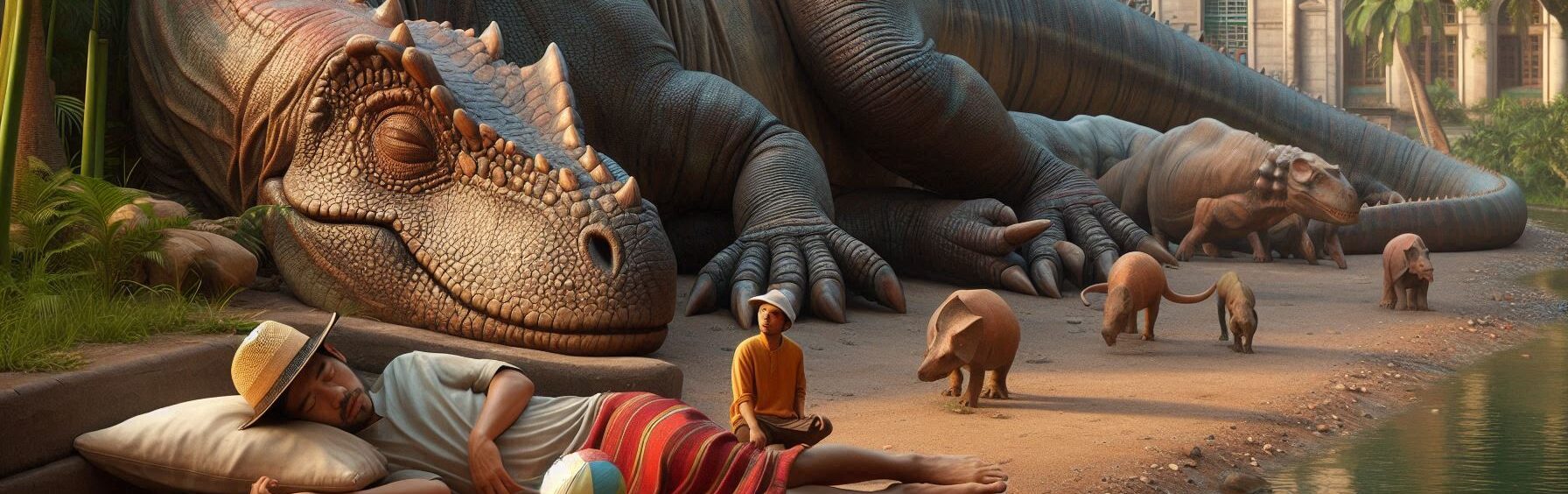
Let’s face it: being a T-Rex isn’t all about roaring and hunting. Even the mightiest dinosaurs faced stress, whether it was from a pesky Stegosaurus stealing their favorite snack or the constant worry of not fitting into their favorite cave.
Today, I’m diving into some stress management techniques inspired by our prehistoric pals. So grab your imaginary dino-sized notebook, and let’s explore how to find tranquility in this chaotic world!
Top Takeaways and Key Concepts
- Practice deep breathing daily to calm the nervous system and reduce tension effectively.
- Incorporate regular movement like walking, yoga, or dance to release stress-reducing endorphins.
- Use mindfulness exercises to stay present, observe thoughts, and foster inner calm.
- Spend time in nature through walks, hikes, or outdoor activities to restore clarity.
- Join group or community activities like gardening to build support and reduce stress.
Article Summary
The text highlights stress management techniques inspired by dinosaurs, emphasizing both physiological and mental strategies. Deep breathing exercises calm the nervous system, while physical activity, from brisk walks to yoga, releases endorphins to elevate mood. Mindfulness and meditation cultivate present-moment awareness, enhancing emotional resilience. Spending time outdoors restores clarity and engages the senses, providing natural stress relief. Additionally, participating in group activities, such as community gardening, fosters social connection and further alleviates stress. Overall, combining these approaches helps manage modern stress effectively, drawing lessons from prehistoric resilience.
Video Summary
Please Note: This post may contain affiliate links. If you click one of them, we may receive a commission at no extra cost to you. As an Amazon Associate, I earn from qualifying purchases.
Understanding Dino Stress: What’s Going On?
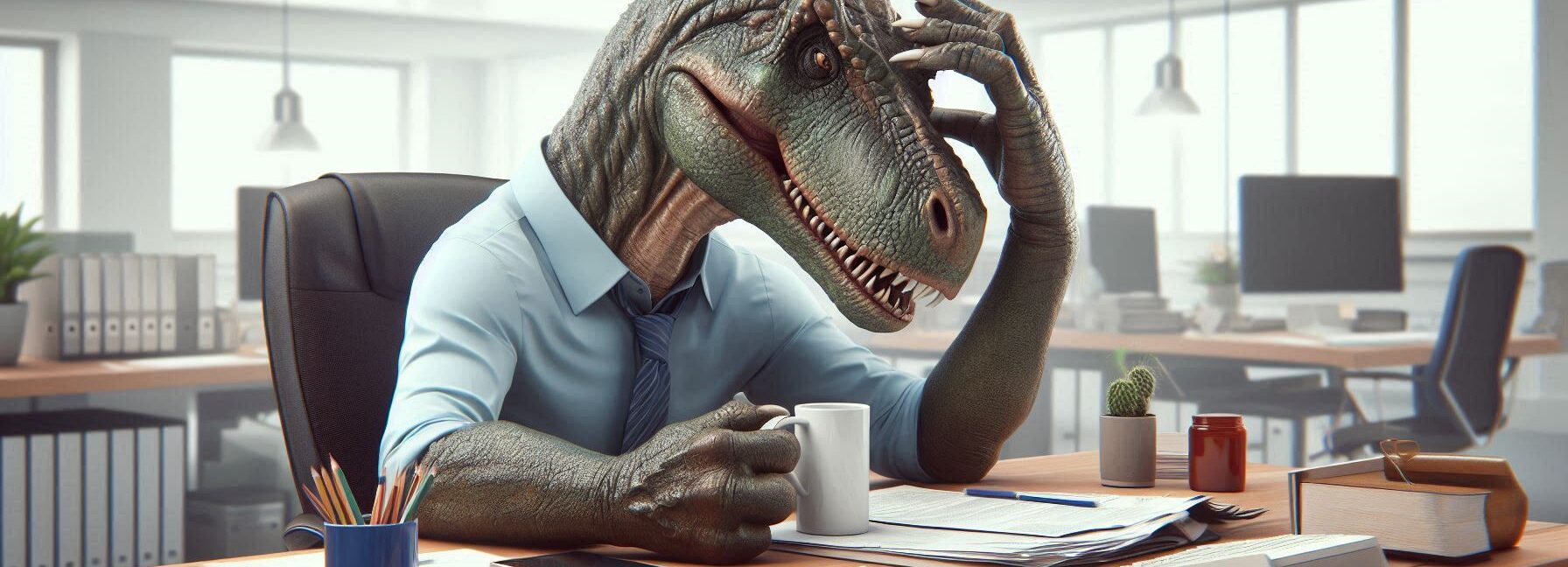
First things first—what is stress? Imagine you’re a T-Rex trying to squeeze through a narrow canyon while simultaneously being chased by a Velociraptor. Talk about pressure!
Stress is essentially your body’s way of reacting to challenges or demands. It can be helpful in small doses, but too much can lead to problems like anxiety and exhaustion.
Interestingly enough, even dinosaurs had their own forms of stressors. Whether it was finding food or avoiding becoming dinner themselves, they needed coping strategies just as we do today.
By understanding what causes us stress, we can tackle it head-on instead of letting it run wild like an unchained Brachiosaurus.
So, let’s see what techniques we can adopt from these ancient giants to manage our modern-day stresses effectively!
Breathing Like a Brontosaurus
Now that we’ve established what stress is, let's talk about one of the simplest yet most effective ways to combat it: breathing exercises! You may be wondering how something so basic could help alleviate tension—but trust me on this one.
When you take deep breaths, your body receives more oxygen which helps calm the nervous system—kind of like when a Brontosaurus gently sways its neck while munching on leaves.
To practice this technique, find a quiet space where you won’t be disturbed (preferably somewhere without any lurking raptors).
Start by inhaling deeply through your nose for four counts, holding that breath for another four counts before exhaling slowly through your mouth for six counts.
Repeat this process several times until you feel more relaxed and centered—like basking in the sun after a long day of hunting.
By the way, incorporating these breathing exercises into your daily routine can help create lasting effects over time! Just think about how amazing it would feel if every stressful moment could be met with calmness instead of chaos.
Movement Inspired by The Dinosaurs
To be fair, another fantastic way to manage stress is through movement! Remember how dinosaurs roamed freely across vast landscapes?
They didn’t sit around worrying; they were constantly moving and adapting to their environment. We can learn from them by incorporating physical activity into our lives.
Exercise releases endorphins—the “feel-good” hormones that act as natural painkillers and mood elevators.
Whether it's going for a brisk walk (preferably not near any volcanoes) or engaging in yoga poses inspired by dinosaur movements (think downward dog meets Triceratops), getting those muscles working will help clear your mind and reduce anxiety.
Honestly though? Finding an activity that excites you makes all the difference! Maybe join a local dance class where everyone flails around like confused Pterodactyls—it doesn’t matter as long as you’re having fun!
Mindfulness: Channeling Your Inner Diplodocus
Speaking of fun—and let’s see—mindfulness practices are essential for managing stress levels effectively!
Picture yourself as a serene Diplodocus standing tall among trees while enjoying nature’s beauty around you. That sense of peace is exactly what mindfulness aims to cultivate within us!
Mindfulness involves focusing on the present moment without judgment or distraction—similar to how dinosaurs would have been fully aware of their surroundings while grazing peacefully.
Start practicing mindfulness by simply observing your thoughts without getting caught up in them; acknowledge them but allow them to pass like clouds drifting overhead.
You could also try meditation techniques such as guided imagery or loving-kindness meditation—which encourages compassion toward yourself and others alike—allowing inner tranquility amidst life’s ups-and-downs (and occasional meteor showers!).
All things considered; integrating mindfulness into daily routines provides immense benefits over time—not only reducing overall feelings of anxiety but also enhancing emotional resilience against future challenges!
Connecting With Nature: The Great Outdoors
On the other hand—and honestly—I believe connecting with nature plays an invaluable role in alleviating stress levels too!
Dinosaurs thrived outdoors surrounded by lush landscapes filled with plants galore; similarly immersing ourselves outside brings clarity amid busy lifestyles filled with technology overload.
Try taking regular walks at parks nearby or hiking trails where stunning views await just beyond every bend—a bit reminiscent of exploring hidden valleys inhabited by friendly herbivores back during prehistoric times!
Engaging senses through fresh air invigorates both body AND mind while creating moments worth cherishing throughout life itself.
And speaking of connections—consider joining community gardening projects where people come together planting seeds literally & figuratively nurturing relationships along-the-way…because who doesn’t love bonding over dirt?!
Suggested Resources:
Mindful.org
https://www.mindful.org
Verywell Mind
https://www.verywellmind.com
Healthline – How Exercise Can Help Manage Stress
https://www.healthline.com/health/exercise-stress-relief
Frequently Asked Questions
How does deep breathing help reduce stress?
Deep breathing increases oxygen intake and activates the parasympathetic nervous system, helping calm tension and reduce stress responses in the body.
Can movement really improve mood and lower stress?
Yes, physical activity releases endorphins, which naturally improve mood and help lower stress levels while also boosting energy.
What is mindfulness and how does it reduce stress?
Mindfulness focuses attention on the present moment, helping reduce racing thoughts and lowering anxiety by increasing self-awareness and calm.
Does spending time outdoors help with stress relief?
Yes, nature exposure can reduce mental fatigue, restore clarity, and improve emotional balance by engaging the senses in a peaceful environment.
How often should I practice breathing or mindfulness exercises?
Daily practice is ideal, even for just a few minutes, because consistency helps build long-term stress resilience and emotional stability.
Can group activities lower stress levels?
Participating in social or community activities builds connection and support, which reduces stress by improving mood and lowering feelings of isolation.
Is movement better than meditation for stress relief?
Both can help, and combining practices like movement and mindfulness often produces the strongest stress-relief benefits.

Kevin Collier is a passionate nutritionist and wellness advocate dedicated to helping individuals achieve their health goals through balanced eating and sustainable lifestyle choices. With years of experience in the field, Kevin believes in the power of nutritious food to transform lives and specializes in creating articles about diet plans and achieving weight loss goals. When not writing for DietDino, Kevin enjoys exploring new recipes, staying active outdoors, and sharing tips on mindful living.