
When it comes to weight loss, nutrition is the unsung hero of your journey. It’s like that trusty sidekick in superhero movies—always there, quietly making things happen while you take center stage. Honestly, who doesn’t want to shed a few pounds while enjoying delicious food? So, let’s dive into some key aspects of weight loss nutrition that can help you on this adventure!
Top Takeaways and Key Concepts
- Balance macronutrients by including whole grains, proteins, and healthy fats at meals.
- Practice portion control using smaller plates and measuring servings to avoid overeating.
- Plan meals weekly with colorful, nutrient-dense ingredients to stay on track.
- Stay hydrated by drinking at least 8 glasses of water daily.
- Eat mindfully and snack wisely to enjoy food fully and reduce unnecessary calories.
Article Summary
Effective weight loss nutrition focuses on balance, mindfulness, and planning rather than deprivation. Prioritize macronutrients by incorporating whole grains, lean or plant-based proteins, and healthy fats into every meal. Control portion sizes using smaller plates and measured servings to prevent overeating, and plan meals ahead to maintain variety and convenience. Staying hydrated supports metabolism and prevents mistaking thirst for hunger. Mindful eating—savoring each bite without distractions—and choosing nutrient-rich snacks further enhance satiety and overall health, making weight management sustainable and enjoyable.
Video Summary
Understanding Macronutrients: The Building Blocks of Your Diet
If you ever feel overwhelmed by macronutrients, just remember that even the cookie monster counts carbs—he just does it with a side of cookies!
“I'm on the patch right now. I’m trying to cut down on sugar.” —Adele
First off, let’s talk about macronutrients—carbohydrates, proteins, and fats. These are the big three players in your diet, and each one has its own unique role. Carbs are like the fuel for your car; they give you energy for everything from workouts to binge-watching your favorite series. But not all carbs are created equal! Whole grains and veggies pack a nutritional punch compared to sugary snacks that leave you feeling sluggish.
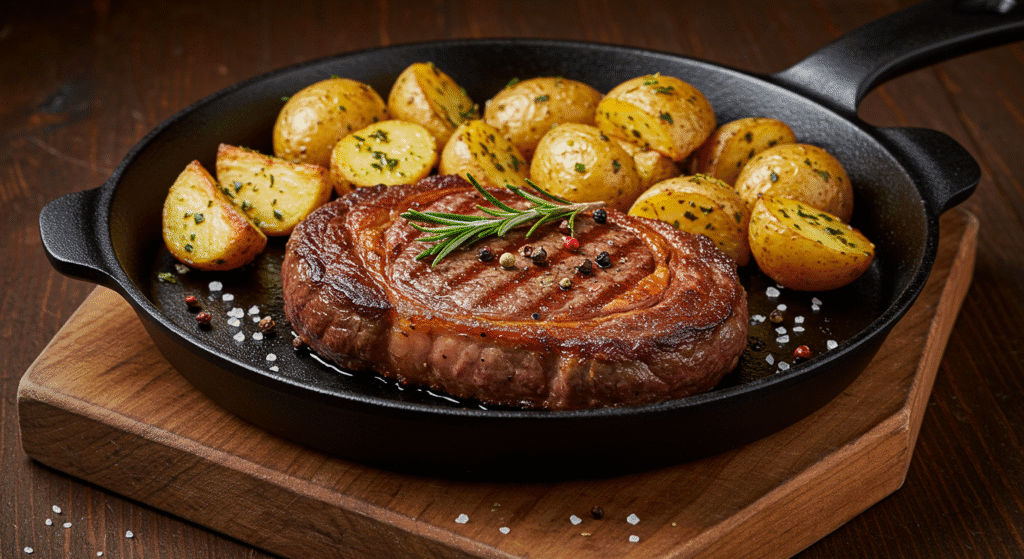
Then we have proteins—the muscle builders! These little powerhouses are essential for repairing tissues and keeping you feeling full longer. Imagine biting into a juicy grilled chicken breast or a hearty lentil stew; both are protein-packed options that help curb those pesky cravings. It’s like having a superhero in your diet, swooping in to save the day when hunger strikes. Proteins also play a crucial role in building and maintaining lean muscle mass, which is super important if you’re trying to lose weight. The more muscle you have, the more calories your body burns at rest—how cool is that?
Now, let’s not forget about plant-based proteins! Think beans, chickpeas, quinoa, and tofu. They’re not just for vegetarians; these options can be deliciously versatile and incredibly satisfying. For instance, a spicy black bean burger can make your taste buds dance while giving you all the protein goodness without any of the guilt. And honestly, who doesn’t love a good veggie stir-fry loaded with colorful ingredients? Throw in some edamame or tempeh for an extra boost of protein!
And don’t forget healthy fats! Avocados are like nature's butter—creamy and delicious while being packed with nutrients that keep our hearts happy. Nuts are another fantastic source; they add crunch to salads or can be enjoyed as a quick snack on-the-go. Just imagine munching on some roasted almonds while watching your favorite show—it feels indulgent but is actually doing wonders for your health.
Olive oil deserves its own spotlight too! Drizzling it over roasted veggies or using it as a base for salad dressings adds flavor without sacrificing nutrition. Plus, healthy fats help absorb fat-soluble vitamins like A, D, E, and K—so you're getting even more bang for your nutritional buck!
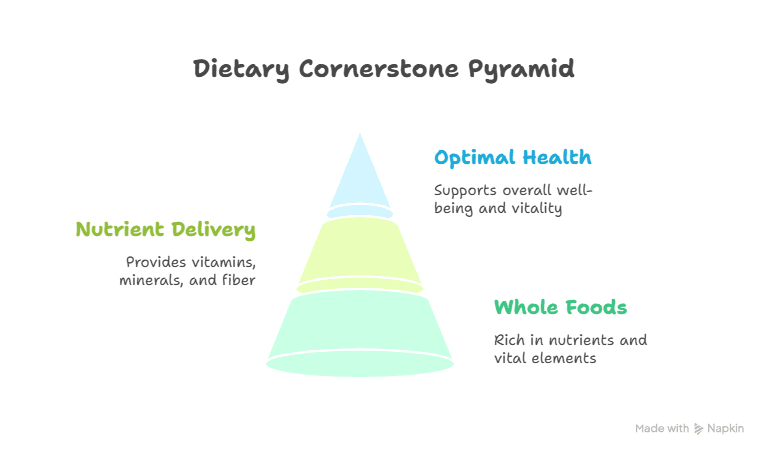
Balancing these macronutrients helps create a sustainable eating plan rather than just another fad diet that leaves you feeling deprived and cranky (and nobody wants to be “hangry”!). When you focus on incorporating adequate amounts of proteins and healthy fats alongside carbohydrates from whole grains and fruits/veggies into each meal, you're setting yourself up for success—not just today but for the long haul.
Think of it this way: instead of hopping on every new diet trend that pops up (which often leads to frustration), why not build a plate that's colorful and diverse? A well-rounded meal might include grilled salmon (a great protein source) served with quinoa (carbs) topped with avocado slices (healthy fats) along with steamed broccoli (fiber-rich veggies). Not only does this combo keep things interesting but also fuels your body properly so that losing weight feels less like climbing Mount Everest!
In conclusion, embracing proteins and healthy fats within your meals isn’t just about filling up; it's about nourishing yourself holistically. Each bite should bring joy while supporting your goals—so go ahead and enjoy those flavorful foods guilt-free!
Portion Control: Size Matters!
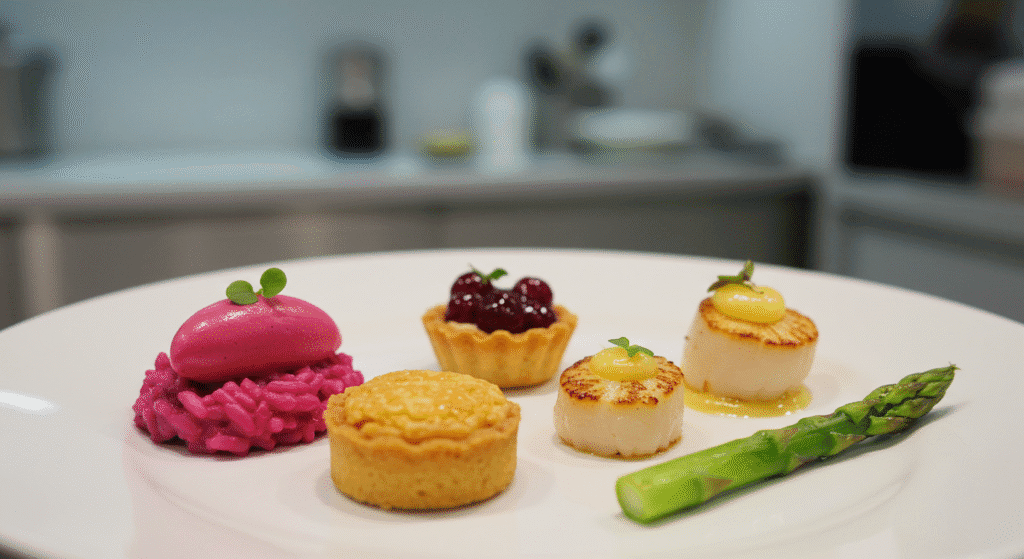
Studies show that people who eat from larger plates tend to consume more food, which is why I always use a saucer for my pizza—it's basically a diet hack!
“I'm just trying to be healthy and keep it all in balance.” —Katy Perry
Now, let’s chat about portion control because size does matter when it comes to what’s on your plate! I mean, have you ever looked at a serving size and thought it was more like an appetizer? To be fair, many of us struggle with this concept in our fast-paced world where supersized portions reign supreme.
Using smaller plates can trick your brain into thinking you're getting more food than you actually are—it's like magic but without the top hat! Seriously, it’s a little psychological hack that can make a big difference in how much you eat. When we see a full plate, our brains often interpret that as a sign that we’re getting a hearty meal. So, if you swap out your regular-sized dinnerware for something a bit smaller, suddenly your portion looks bigger and more satisfying. It’s all about perception, folks!
Imagine this: You sit down to eat your favorite pasta dish on a small plate. It looks heaping and delicious! But if you had plopped that same amount onto a larger plate, it might seem like barely enough to feed an army. This simple switch can help control portion sizes without feeling deprived or hungry afterward. Plus, who doesn’t love the idea of “tricking” their mind into believing they’re indulging more than they really are? It’s like winning at a game you didn’t even know you were playing!
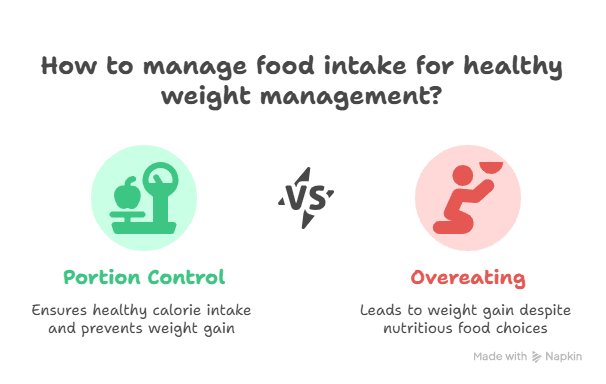
Another nifty trick is measuring out servings until you get the hang of what appropriate portions look like. I know what you're thinking—who wants to measure their food like they're preparing for some kind of cooking competition? It might feel tedious at first (like counting every jellybean), but trust me; it pays off when you're feeling satisfied instead of stuffed after meals. Think of it as training wheels for your eating habits; once you've figured out those portions, you'll be able to eyeball them with ease.
Start by using measuring cups or a kitchen scale for things like grains or snacks—don’t worry; no one will judge you for pulling out the scale during dinner prep! Over time, you'll develop an intuitive sense of how much food is just right for your needs without needing to measure everything meticulously. And let’s be honest: who has time to count calories all day long? Instead, focus on recognizing when you're comfortably full rather than overstuffed.
Interestingly enough, this practice also encourages mindfulness while eating. When you're aware of how much you're putting on your plate and taking the time to enjoy each bite, meals become more enjoyable experiences rather than just fuel stops along the way. You might find yourself savoring flavors and textures that you previously rushed through—kind of like rediscovering an old favorite song!
So next time you're tempted to pile food high on that oversized plate or dive straight into family-size bags of chips without thinking twice, remember these tricks: grab those smaller plates and start measuring portions until they become second nature! Your future self will thank you when it's easier to manage cravings and maintain healthy habits without feeling deprived or overwhelmed by excessive amounts of food.
In conclusion, creating visual cues with smaller plates combined with mindful serving sizes can transform your eating experience from chaos into calmness—a win-win situation if I've ever seen one! Enjoying meals while still keeping track helps ensure satisfaction levels remain high while making weight management feel less daunting overall!
Meal Planning: A Recipe for Success
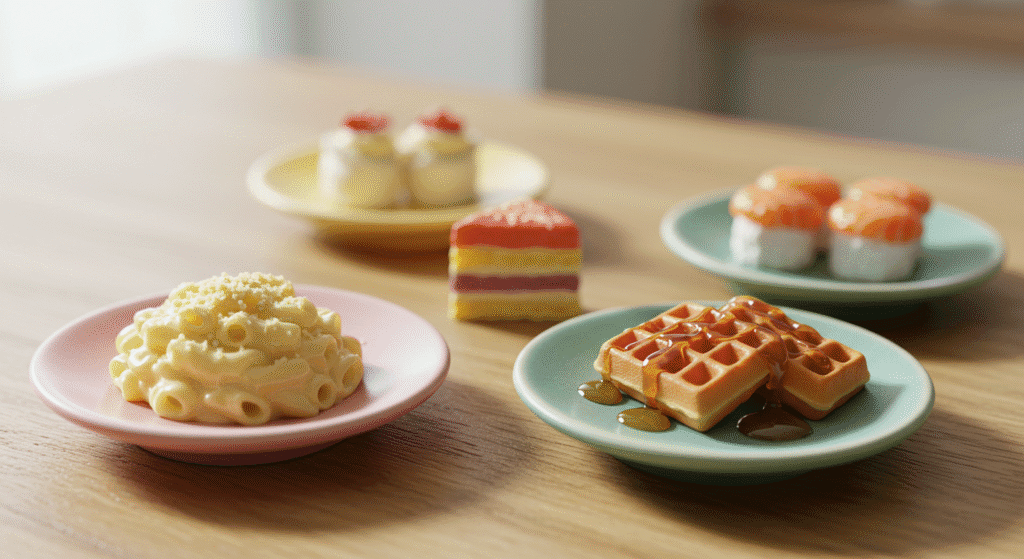
If you think meal planning is boring, just remember that it’s the only time you can get excited about a “mystery meat” casserole without being in a horror movie!
“I don’t eat junk food. I am not a trash can.” —Katy Perry
Honestly, meal planning is one of my favorite parts of weight loss nutrition! It’s like creating an exciting treasure map where every meal leads to delicious discoveries rather than wandering aimlessly through fast-food drive-thrus. By dedicating some time each week to plan meals ahead, you'll save yourself from last-minute junk food grabs.
Start by choosing recipes that excite you—colorful salads bursting with fresh veggies or tasty stir-fries loaded with lean proteins make great choices! I mean, who wants to eat bland food day in and day out? Not me! Think about it: a vibrant salad filled with crunchy cucumbers, sweet cherry tomatoes, and bright bell peppers can feel like a party on your plate. Toss in some grilled chicken or chickpeas for protein, and you've got a dish that's not only nutritious but also visually appealing. When meals look good, they taste better too!
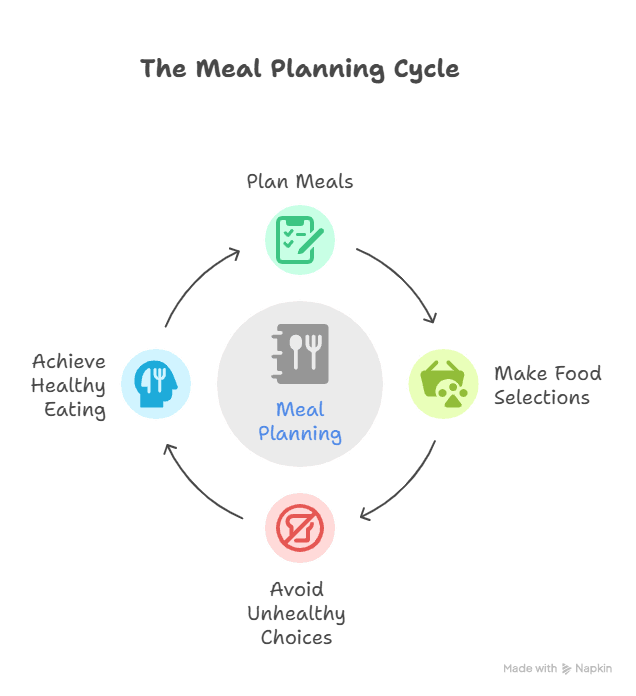
Now, let’s talk about those stir-fries. They’re like the superheroes of quick cooking! You can throw just about anything into a hot pan—broccoli, snap peas, carrots—and watch as they transform into a deliciously savory meal in mere minutes. Drizzle some soy sauce or teriyaki over the top, and voila! Dinner is served. The best part? You get to customize these dishes based on what you have at home or what’s currently in season. It’s all about making food fun and enjoyable while keeping it healthy.
Try setting aside one day each week for prep so that when hunger strikes during busy days (and trust me—it will), you've got healthy options ready to go. Imagine coming home from work or running errands after a long day and not having to think twice about dinner because everything is prepped and waiting for you in the fridge. Sounds dreamy, right? Dedicate a couple of hours on the weekend to chop veggies, marinate proteins, or even cook entire meals ahead of time. You could batch-cook quinoa or brown rice to use throughout the week—easy peasy!
Not only does this keep you on track nutritionally, but it also makes cooking feel less daunting! Let’s be honest; sometimes just thinking about preparing dinner can be overwhelming after a hectic day. But when you've already done half the work ahead of time, it becomes as simple as reheating something delicious rather than facing off against an empty kitchen at 6 PM. Plus, having prepared meals means you're less likely to reach for unhealthy snacks out of sheer desperation.
Another bonus? Meal prep encourages variety! When you plan your recipes ahead of time, you can mix things up instead of falling into that same old routine of eating spaghetti every Tuesday (not that there’s anything wrong with spaghetti!). Maybe one week you'll whip up taco bowls filled with beans and corn salsa; the next week might feature zoodles tossed with pesto and grilled shrimp. The possibilities are endless!
And let’s not forget how satisfying it feels to open your fridge and see containers filled with colorful foods all lined up like little soldiers ready for battle against hunger pangs! It gives you that sense of accomplishment—a feeling that says you're taking charge of your health without sacrificing flavor or excitement in your meals.
In conclusion, starting this journey towards healthier eating doesn’t have to be boring or stressful if approached creatively through exciting recipes combined with strategic meal prepping techniques! So grab those colorful ingredients from your local market today; before long you'll find yourself enjoying delicious dishes while effortlessly sticking to your nutrition goals—all while feeling like a culinary rockstar!
Hydration: Don’t Forget Your Water Bottle!

Drinking water before meals can help you eat less, but it’s also a great way to impress your friends by showing off your ability to hydrate like a pro—just don’t forget to swallow!
“Water is the most essential element of life because without it you can’t make coffee.” —Unknown
Let's not overlook hydration! Water is crucial for overall health and plays an important role in weight loss too. Sometimes our bodies confuse thirst with hunger (seriously!), leading us down the path of unnecessary snacking when all we really needed was a refreshing glass of water.
I think keeping a reusable water bottle handy can work wonders throughout the day. Seriously, it’s like having your own hydration sidekick! Whether you’re at work, running errands, or just chilling at home, having that trusty bottle by your side is a game changer. You’ll find yourself reaching for it more often than you think, and before long, you might actually start feeling like a hydration superhero—cape not included!
Now, let’s talk numbers. Aim for at least eight glasses daily—that’s about two liters of water if you're counting. But here’s the kicker: if you're sweating buckets during exercise or even chasing kids around outside (hello summer fun!), you'll definitely need more fluid intake! Think about those hot summer days when you’re out playing tag or enjoying a picnic in the park; your body loses fluids faster than you can say “ice cream truck.” So listen to what your body tells you! Thirst is nature's way of reminding us to hydrate.
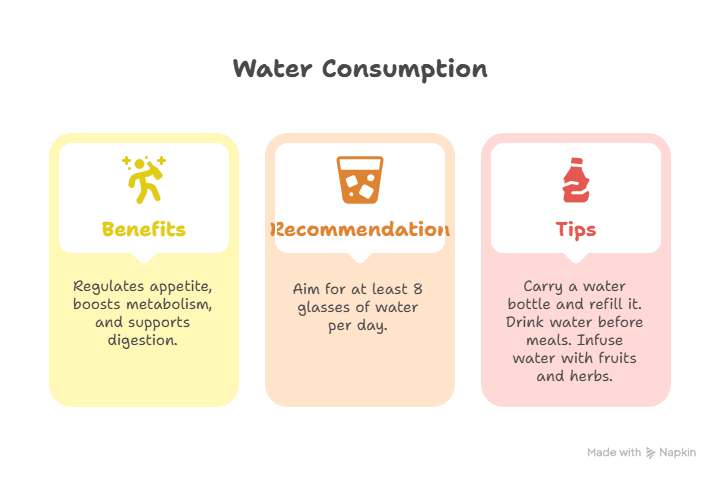
And speaking of hydration hacks, infusing water with fruits or herbs can turn plain old H2O into something fabulous! I mean, who wouldn’t want to sip on something that looks and tastes refreshing? Tossing some fresh berries into your water gives it a delightful splash of flavor without any added sugars. Or how about adding slices of zesty lemon and sprigs of mint? It’s like having a mini spa experience right in your glass! Trust me; nothing feels better than sipping on cucumber-infused water while pretending you're lounging poolside. You can almost hear the waves crashing in the background!
You can get creative too! Ever tried watermelon-infused water? Just chop up some juicy watermelon chunks and toss them into your bottle for a sweet treat that hydrates like a boss. Or maybe throw in some oranges and basil for an unexpected twist—it's surprisingly delicious! The best part is that these infused waters are not only tasty but also encourage you to drink more because they feel special.
Keeping things interesting with flavored water means you'll be less tempted to reach for sugary drinks or sodas when thirst strikes. I mean, who needs empty calories from soda when you've got a refreshing concoction waiting for you? Plus, drinking enough water helps keep your skin glowing and may even boost your energy levels—talk about double duty!
So next time you're heading out the door, grab that reusable water bottle filled with fruity goodness instead of relying on whatever sugary beverage catches your eye. With just a little effort to jazz up your hydration routine, you'll feel more refreshed and energized throughout the day—and who doesn’t want that? Embrace the power of hydration; after all, staying well-hydrated is one simple step toward achieving those weight loss goals while still feeling fabulous along the way!
Mindful Eating: Savor Every Bite

Studies show that people who eat mindfully tend to enjoy their food more and consume fewer calories. So, if you find yourself eating a donut while scrolling through your phone, remember: the donut deserves your full attention—give it the respect it deserves!
“Your diet is a bank account. Good food choices are good investments.” —Bethenny Frankel
Interestingly enough, mindful eating might just be the secret sauce missing from many diets today. With our busy lives filled with screens and distractions galore (ever tried eating dinner while scrolling through social media?), it's easy to forget how enjoyable food can truly be.
Taking time to savor each bite allows us not only to appreciate flavors but also recognize when we're full—a skill often lost in today's fast-paced world. Seriously, have you ever noticed how we tend to inhale our food like it's a race against time? Between juggling work, family, and social media notifications, it’s easy to forget that meals are meant to be enjoyed. When was the last time you actually tasted your food instead of just shoveling it in?
To really get the most out of your meals, try putting away devices during mealtime. That means no phones buzzing with alerts or TVs blaring in the background! By focusing solely on what’s in front of you—those vibrant colors on your plate and those enticing aromas wafting up—you'll find yourself enjoying food much more. Honestly, it’s like rediscovering an old friend; you realize how wonderful it is when you take a moment to reconnect.
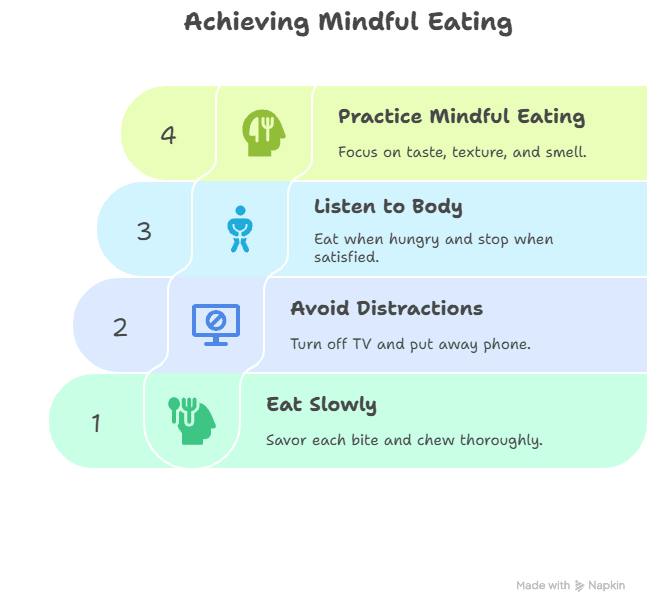
As you slow down and chew thoroughly, you'll start noticing all those complex flavors mingling together. Is that hint of garlic making your taste buds dance? Or perhaps the burst of citrus from that dressing adds a zing that elevates the entire dish! Each bite becomes an adventure rather than just fuel for your body. This mindful eating approach can transform even a simple meal into something extraordinary!
Another benefit of this practice is recognizing when you're full. Our bodies send signals when we've had enough, but if we’re too busy scrolling through Instagram or binge-watching our favorite show while munching away, we might miss those cues entirely. You know that feeling when you've eaten so much that you're stuffed like a Thanksgiving turkey? By paying attention while eating—taking note of how each bite makes you feel—you’ll learn to stop before reaching that uncomfortable fullness.
And here’s where the magic happens: by eating slowly and mindfully, you're likely consuming less overall! It sounds counterintuitive at first—how can slowing down lead to eating less? But think about it: when we rush through meals, we often overeat because our brains haven’t caught up with our stomachs yet! So why not give yourself permission to enjoy every morsel instead?
You could even make mealtime an occasion! Set the table nicely or light some candles; create an atmosphere that encourages relaxation and enjoyment. Invite family or friends to join you without distractions so everyone can engage in conversation and share their thoughts on the meal together—it turns dining into a delightful experience rather than just another task on your never-ending checklist.
In conclusion, embracing this mindful eating practice is not just about weight loss; it's about nurturing a healthier relationship with food overall. The next time you're sitting down for a meal, take a deep breath, put away those devices, and truly immerse yourself in the deliciousness before you. Trust me; you'll be amazed at how much more satisfying each bite can be—and who knows? You might even find yourself feeling fuller sooner and happier afterward!
Snack Smart: Choose Wisely

Eating a handful of nuts can help you feel fuller, but if you eat a whole bag, you'll just feel nutty! Remember, moderation is key—unless you're talking about chocolate; then all bets are off!
“I'm on the patch right now. I'm trying to get off of chocolate.” —Jessica Simpson
Let’s face it—we all love snacks; they're kind of amazing! But choosing smart snacks can make all the difference between maintaining energy levels versus hitting that dreaded afternoon slump harder than falling asleep in class after lunch. Instead of reaching for chips or candy bars—which may taste great initially but leave us crashing later—why not opt for nutrient-dense alternatives?
Think crunchy carrot sticks dipped in hummus or Greek yogurt topped with berries as delightful snack options that'll keep those cravings at bay without sacrificing flavor! Preparing healthy snacks ahead means they’ll always be within reach whenever hunger strikes unexpectedly… because who hasn’t found themselves rummaging through cabinets late at night looking for something “healthy”?
In summary, weight loss nutrition isn’t about deprivation; it’s about balance and finding joy in what we eat while still working toward our goals. Embracing these strategies will not only help shed those extra pounds but also foster healthier habits along the way!
Suggested Resources:
Healthy Eating Tips
https://www.eatright.org/health/wellness/healthy-eating-tips
Nutrition Basics
https://www.choosemyplate.gov/
Portion Control Guide
https://www.nhlbi.nih.gov/health/educational/wecan/eat-right/portion-control.htm
Hydration Tips
https://www.cdc.gov/nutrition/data-statistics/plain-water.html
Mindful Eating Practices
https://www.mindfuleating.org/
Frequently Asked Questions
How do macronutrients support weight loss?
Balanced meals that include protein, healthy fats, and whole-food carbohydrates provide steady energy, keep you full longer, and help maintain muscle while losing fat.
Why is portion control important for dieting?
Using smaller plates and measuring servings helps prevent overeating because visual fullness cues the brain that you’re getting enough food.
Does meal planning really help with weight loss?
Planning meals in advance reduces last-minute unhealthy choices and helps ensure you eat nutrient-dense foods consistently throughout the week.
How much water should I drink daily for weight loss support?
Aiming for around eight glasses a day helps prevent confusing thirst with hunger and supports healthy digestion and metabolism.
Why is mindful eating effective for calorie control?
Slowing down while eating increases awareness of fullness signals so you naturally stop sooner and enjoy food more.
Are healthy fats okay while dieting?
Yes, healthy fats like avocado, nuts, and olive oil help support vitamin absorption and keep you satisfied longer.
What are smart snack choices for weight loss?
Foods like hummus with veggies, nuts in small portions, or yogurt with berries provide nutrients and reduce energy crashes compared to sugary snacks.

Kevin Collier is a passionate nutritionist and wellness advocate dedicated to helping individuals achieve their health goals through balanced eating and sustainable lifestyle choices. With years of experience in the field, Kevin believes in the power of nutritious food to transform lives and specializes in creating articles about diet plans and achieving weight loss goals. When not writing for DietDino, Kevin enjoys exploring new recipes, staying active outdoors, and sharing tips on mindful living.