
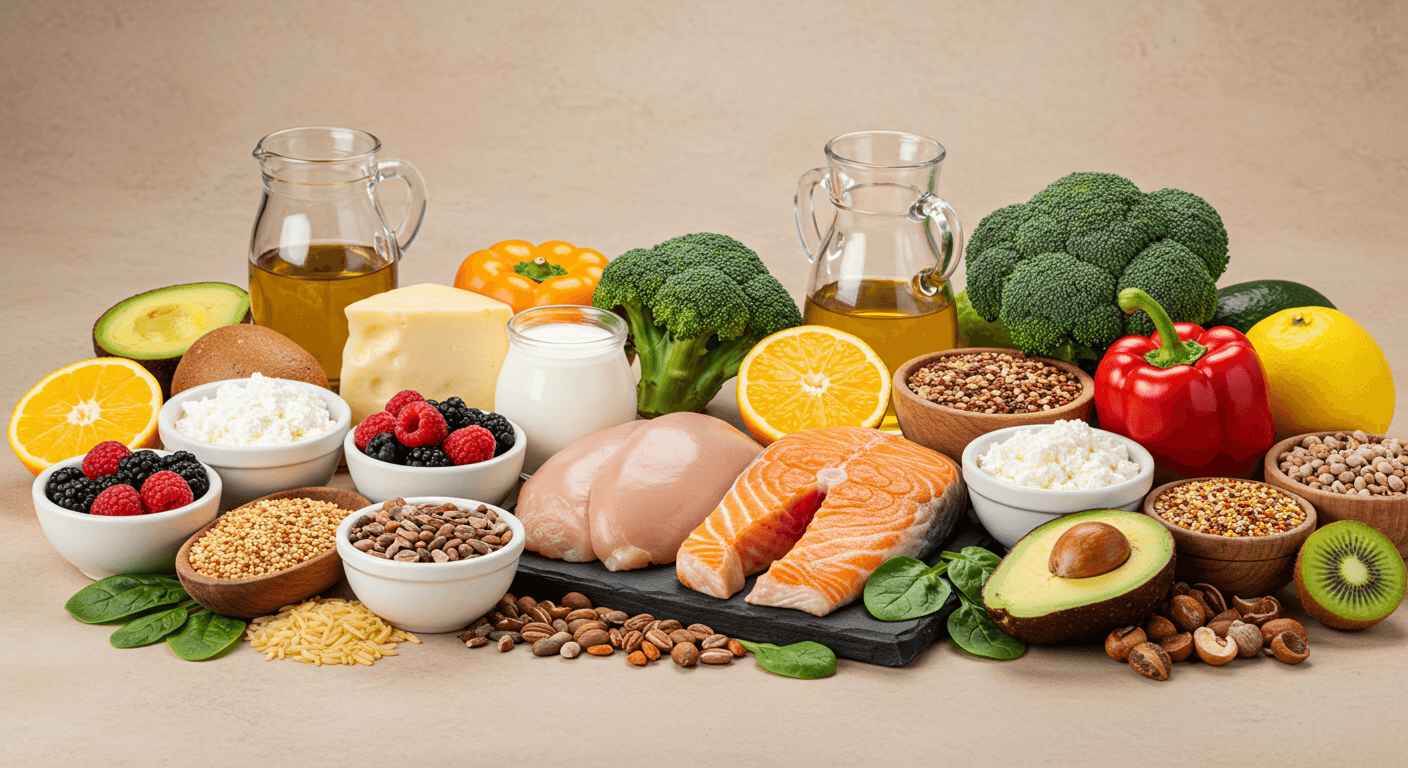
Let’s face it, the world of weight loss diets can feel like a chaotic carnival. One minute you’re reading about the wonders of kale smoothies, and the next, someone is raving about bacon-wrapped everything! So how do we cut through the noise? Well, grab your favorite snack (preferably something healthy), and let’s dive into this deliciously confusing world together!
Top Takeaways and Key Concepts
- Understand diet types by researching low-carb, high-protein, low-fat, Mediterranean, and fasting options.
- Choose a diet that fits your lifestyle considering schedule, cooking skills, and personal preferences.
- Create a caloric deficit by consuming fewer calories than you burn without feeling deprived.
- Set realistic, gradual goals aiming for small weekly losses and celebrating mini-victories.
- Maintain motivation by surrounding yourself with supportive people and rewarding progress sustainably.
Article Summary
Weight loss diets are structured plans designed to help achieve a caloric deficit while accommodating personal preferences and lifestyles. Popular approaches include low-carb (like Keto), high-protein, low-fat, Mediterranean, and intermittent fasting, each with unique benefits and challenges. Success depends on selecting a plan that fits your routine and dietary preferences, creating sustainable habits, and making gradual, achievable changes. Portion control, nutrient-dense foods, and small lifestyle adjustments enhance results. Staying motivated through supportive communities, celebrating small wins, and treating setbacks as learning opportunities ensures long-term adherence and healthier outcomes.
Video Summary
Understanding Weight Loss Diets: What Are They Really?
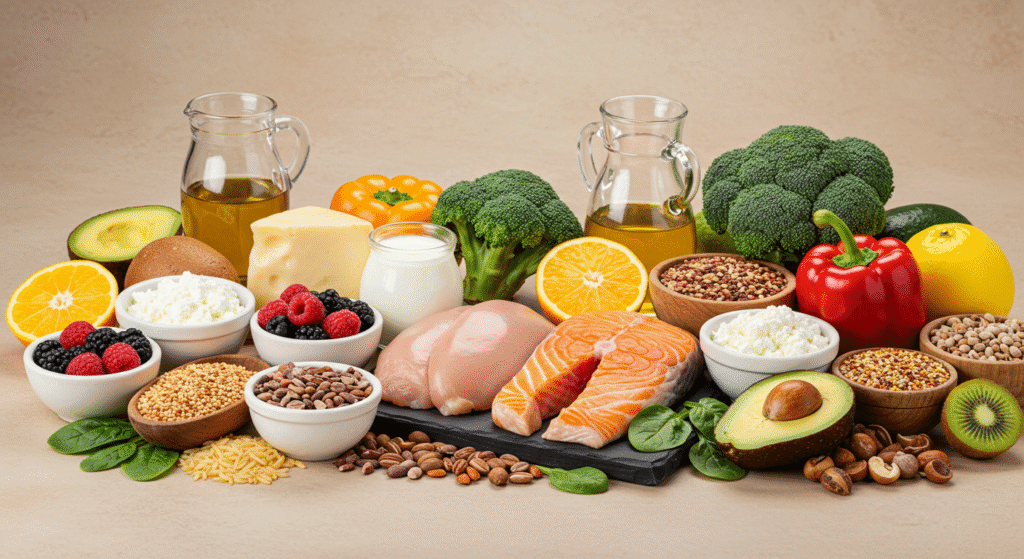
When I think about weight loss diets, I picture a buffet line where everyone is trying to pick the healthiest options while sneaking in a few guilty pleasures. But what exactly are these diets? At their core, weight loss diets are structured eating plans designed to help individuals shed pounds by controlling calorie intake and making healthier food choices.
Interestingly enough, not all diets are created equal. Some focus on cutting carbs, while others emphasize high protein or low fat. And then there are those that seem to change every season—like fashion trends! It’s as if one day everyone is raving about the benefits of kale and quinoa, and the next, they’re all about the joys of eating bacon-wrapped everything. So why should you care? Because knowing what type of diet suits your lifestyle can make all the difference between success and yet another trip to the ice cream aisle.
Let’s break this down a bit more. First off, diets like low-carb plans often promise quick results by forcing your body into ketosis—a fancy term for burning fat instead of carbs for energy. While this might sound appealing, it can also lead to cravings that feel like an insatiable monster lurking in your kitchen at night. You know what I mean: you’re happily munching on grilled chicken until suddenly, a bag of chips starts whispering sweet nothings in your ear!
On the other hand, high-protein diets tout muscle-building benefits alongside weight loss. They’re great if you want to feel full longer and keep those pesky hunger pangs at bay. But let’s be honest: if you don’t enjoy chicken breast or tofu like they’re going out of style, sticking with this plan could feel more like punishment than progress.
And then we have low-fat diets, which were once all the rage but have seen their fair share of ups and downs over the years. The idea here is simple: reduce your fat intake to shed pounds quickly! However, many people find themselves replacing healthy fats with processed alternatives that may not be any better for them in the long run.
Now consider how these different approaches fit into your daily life. If you love cooking elaborate meals with lots of ingredients, a Mediterranean-style diet might suit you perfectly—think fresh veggies drizzled with olive oil and herbs galore! But if your weekdays are jam-packed with meetings and errands (and let’s face it—takeout), a simpler plan like intermittent fasting could align better with your schedule.
Ultimately, understanding these nuances helps prevent frustration down the road. After all, nobody wants to embark on yet another weight-loss journey only to end up feeling deprived or overwhelmed by complicated meal prep schedules that require culinary skills akin to Gordon Ramsay’s! By choosing a diet that complements both your tastes and lifestyle habits, you set yourself up for long-term success rather than short-lived victories followed by regretful late-night snacking binges.
So take some time to explore what resonates with you personally; whether it’s diving headfirst into plant-based dishes or indulging occasionally without guilt—it really comes down to finding balance rather than chasing fleeting trends!
Popular Weight Loss Diets: A Quick Rundown
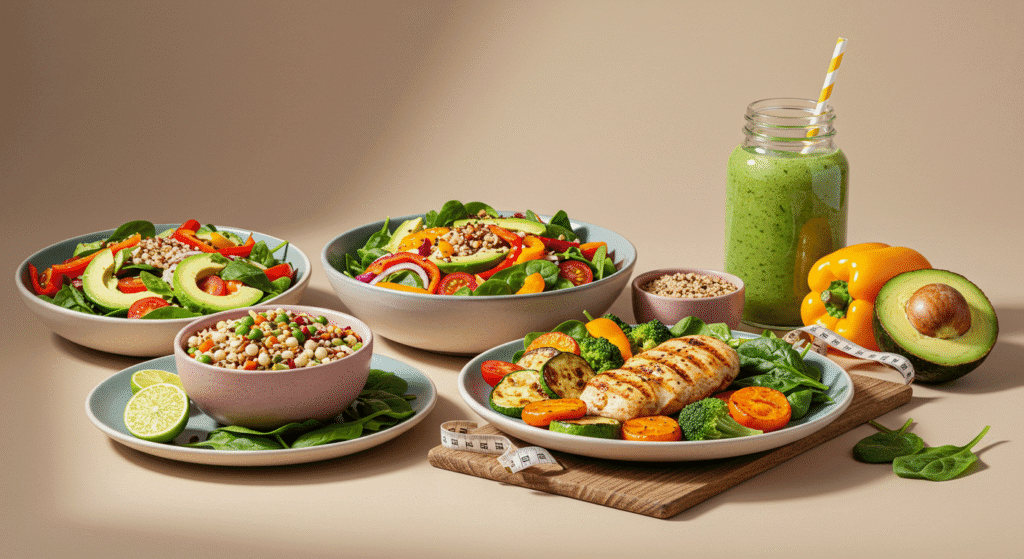
Now that we’ve got a grip on what weight loss diets are, let’s take a peek at some of the most popular ones out there. First up is the Keto Diet. This one has been making waves for its promise of rapid weight loss through a low-carb, high-fat approach. Imagine living in a world where cheese and butter are your best friends—sounds dreamy, right?
Then there’s the Mediterranean Diet, which sounds fancy but really just means enjoying lots of fruits, veggies, whole grains, and healthy fats like olive oil. It’s like taking a culinary vacation without leaving your kitchen!
And don’t forget about Intermittent Fasting! This isn’t so much about what you eat but when you eat it. Picture yourself having breakfast at noon and calling it “brunch”—that’s basically fasting with style! It’s like the coolest club where the dress code is all about timing rather than food choices. You’re not just skipping meals; you’re elevating your eating game to a whole new level!
So, how does this fancy fasting work? Well, there are different methods, but they generally involve cycling between periods of eating and periods of fasting. One popular approach is the 16/8 method, where you fast for 16 hours (yes, that includes sleeping) and then feast during an 8-hour window. Imagine waking up, sipping coffee while watching your favorite morning show, and then suddenly realizing it’s lunchtime—perfect timing for your first meal!
The beauty of intermittent fasting lies in its flexibility. You can adjust your eating windows to fit your schedule or social life. Have a dinner date planned? No problem! Just shift your eating window accordingly. It’s like being a culinary time traveler—one moment you’re feasting on delicious tacos at 1 PM, and the next moment you’re back in bed dreaming of that glorious meal.
Now let’s talk benefits because who doesn’t love a good perk? Studies suggest that intermittent fasting can help with weight loss by promoting fat burning while also improving insulin sensitivity. Plus, some research hints at potential longevity benefits—who wouldn’t want to live longer and keep enjoying those brunches? But here’s the catch: if you spend those precious eating hours indulging in nothing but donuts and pizza (not judging!), you might not reap all the rewards.
Interestingly enough, intermittent fasting isn’t just about shedding pounds; many people report feeling more focused during their fasting periods. It seems that giving our bodies a break from constant snacking allows our minds to clear up a bit too—kind of like cleaning out your closet and discovering that long-lost sweater you’ve been searching for!
However, before diving headfirst into this trendy lifestyle change, consider whether it aligns with your personal habits and preferences. If you’re someone who loves breakfast—the sacred morning ritual filled with pancakes or omelets—skipping it might feel like sacrilege! On the other hand, if mornings find you rushing out the door without even thinking about food until lunch rolls around, intermittent fasting could be a match made in heaven.
In conclusion, intermittent fasting offers an innovative twist on traditional dieting by focusing less on what fills your plate and more on when it graces your table. So why not give it a whirl? After all, brunch is always better when it’s stylishly timed!
The Science Behind Weight Loss Diets
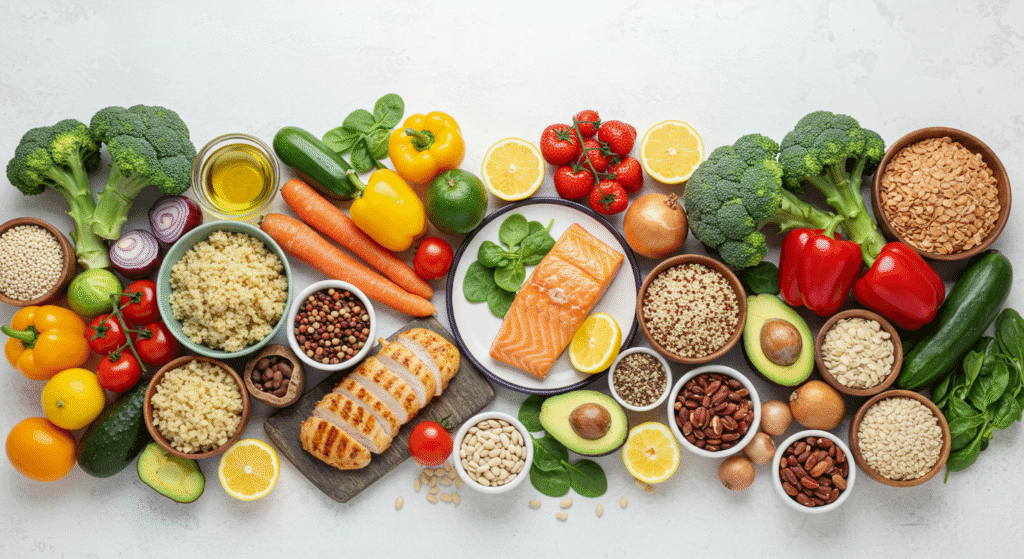
I know what you’re thinking: “Isn’t all this diet talk just hot air?” Not quite! There’s actual science behind why certain diets work better for some folks than others. Our bodies respond differently based on genetics, metabolism, and even our emotional connection to food (yes, comfort eating is real!).
To be fair though, many successful weight-loss stories share common threads—caloric deficit being one of them. This simply means burning more calories than you consume. Sounds easy enough, right? Just eat less and move more! But then you find yourself staring at that decadent slice of cake while binge-watching your favorite show, and suddenly it feels like climbing Mount Everest in flip-flops!
Let’s break this down a bit. A caloric deficit is the cornerstone of weight loss. It’s like the golden rule of dieting: if you want to shed those extra pounds, you need to create a situation where your body has to tap into its fat reserves for energy. Imagine your body as a bank account; if you’re spending more than you’re depositing, eventually, you’ll see a balance decrease. In this case, that balance is your weight.
But here’s where things get tricky! It sounds simple in theory—just burn more calories than you take in—but life has a way of throwing curveballs (or cake slices) at us when we least expect it. Picture this: you’ve just had an exhausting day at work, and all you want is to curl up on the couch with a big bowl of popcorn or maybe even some nachos piled high with gooey cheese. Those cravings can feel overwhelming!
Interestingly enough, it’s not just about willpower; it’s also about strategy. Successful dieters often find ways to make their meals satisfying without going overboard on calories. Think about swapping out that heavy cream sauce for a zesty tomato-based option or loading up on veggies instead of fries when dining out. These small changes add up faster than you’d think—and they help keep those pesky cravings at bay.
And let’s not forget about portion control! It’s amazing how much we can munch mindlessly while engrossed in our favorite series. One minute you’re reaching for just one handful of chips, and before you know it, the bag is empty and so are your calorie limits for the day! Using smaller plates or measuring out snacks can really help curb those impulse munchies while still allowing you to enjoy your treats guilt-free.
Another interesting aspect is understanding what foods actually keep us full longer versus those that leave us feeling hungry shortly after eating. Foods high in protein and fiber tend to fill us up better than sugary snacks do—which might explain why I always end up raiding the fridge after an ice cream binge! By focusing on nutrient-dense options like lean meats, whole grains, fruits, and vegetables, we can achieve that coveted caloric deficit without feeling deprived.
Of course, let’s talk about exercise because moving our bodies plays an essential role in burning calories too! You don’t have to become a gym rat overnight; even small activities like taking the stairs instead of the elevator or going for brisk walks can add valuable calories burned throughout the day. And who knows? You might even discover new hobbies along the way—like dancing around your living room when no one’s watching (trust me; it’s liberating!).
In conclusion, achieving a caloric deficit isn’t merely about restricting yourself—it’s about making smart choices that fit into your lifestyle while still enjoying life’s little pleasures (like that occasional slice of cake). So next time temptation strikes during movie night, remember: balance is key! After all, nobody wants their weight-loss journey to feel like punishment; it should be an adventure filled with delicious discoveries along the way!
Choosing the Right Weight Loss Diet for You
So here comes the million-dollar question: how do you choose which diet fits you like your favorite pair of jeans? Honestly, start by asking yourself what foods make you happy—and no judgment here if pizza tops that list!
Consider factors like your daily routine and any health issues too; for instance, if gluten gives you grief or dairy makes you feel blah afterward. It’s crucial to listen to your body! If eating a slice of pizza leaves you feeling like you’ve been hit by a truck, then it might be time to reconsider that cheesy delight as a regular part of your diet. Honestly, who needs the extra discomfort when there are so many delicious alternatives out there?
When thinking about weight loss diets, it’s not just about what foods are trendy or popular at the moment. The best diet isn’t necessarily one that promises quick results but rather one that feels sustainable over time. After all, no one wants to spend their life hopping from one fad diet to another like some sort of culinary kangaroo! You want something that fits seamlessly into your lifestyle—like a favorite pair of jeans that doesn’t pinch in all the wrong places.
Let’s take a look at daily routines. Are you someone who runs around like a headless chicken every morning trying to get kids ready for school while also preparing for work? If so, you may need a diet plan that includes quick and easy meals—think overnight oats or smoothie packs you can whip up in minutes. On the other hand, if you’re more of an evening meal prepper who enjoys cooking elaborate dinners on weekends, then having recipes lined up for those days could make healthy eating much more enjoyable.
Then again, we can’t ignore our health conditions either. If you have allergies or intolerances (like gluten sensitivity), it’s essential to choose foods that won’t leave you feeling miserable later on. There are plenty of gluten-free options available now; I mean, have you tried cauliflower pizza crust? While it might sound odd at first glance, it can actually be quite tasty—and hey, it saves calories too!
And let’s talk about how certain foods affect our mood and energy levels. Some people find dairy gives them energy crashes after consumption while others thrive on yogurt parfaits loaded with granola and fruit. It’s important to experiment (in a safe way) with different food groups and see how they impact your overall well-being. Maybe you’ll discover that almond milk instead of cow’s milk keeps your tummy happy without sacrificing flavor in your morning coffee!
Speaking of sustainability, let’s face it: nobody wants to live in deprivation mode forever. Diets promising rapid weight loss often require extreme restrictions—like cutting out entire food groups—which can lead us down the slippery slope toward binge-eating later on (and trust me; I’ve been there). Instead, think about incorporating healthier versions of your favorite treats into your life rather than completely eliminating them! Craving ice cream? Try blending frozen bananas with cocoa powder for a creamy treat that’s guilt-free yet satisfying.
Moreover, maintaining balance is key! A successful long-term approach means allowing yourself flexibility—a piece of cake at a birthday party isn’t going to derail weeks’ worth of hard work if you’ve built habits centered around nutritious choices most days. So why not indulge occasionally? Life is too short not to enjoy dessert!
Ultimately, finding the right weight-loss diet is about creating harmony between what works for your body and what fits within the fabric of everyday life—it shouldn’t feel like climbing Mount Everest every day just because you’re trying to lose some weight! By considering personal preferences alongside practical aspects like routine and health concerns, you’ll pave the way towards lasting success—and maybe even enjoy the journey along the way!
Another tip? Experimentation is key! Try different meals from various diets until something clicks. Who knows? You might discover quinoa tastes way better than expected when mixed with chocolate!
Common Mistakes When Starting a Weight Loss Diet
Okay folks; let’s get real for a second—starting any new diet can be tricky business! One common pitfall is going in too hard too fast; ever heard of “diet burnout”? It happens when people restrict themselves so much they end up devouring an entire pizza in one sitting because they’ve felt deprived.
Also important is setting realistic goals; aiming to lose 20 pounds in two weeks might sound appealing but could lead to disappointment (and maybe more pizza). I mean, let’s be honest here: who wouldn’t want to shed those extra pounds faster than you can say “extra cheese”? But the reality check is that rapid weight loss often comes with a slew of issues. Not only does it make your body feel like it’s been through a wringer, but it can also set you up for a major crash when you inevitably return to your old habits. And trust me, that slice of pepperoni pie will start calling your name louder than ever!
Instead, focus on gradual changes—a pound or two per week feels way more achievable! Think about it: if you aim for just one pound each week, by the end of three months, you could be down nearly 12 pounds! That’s pretty impressive and definitely something worth celebrating. It’s all about building momentum rather than trying to sprint out of the gate like you’re in some kind of Olympic race.
Now, how do we go about setting these realistic goals? First off, take a good look at where you currently stand—literally and figuratively. What are your starting points? This isn’t just about stepping on the scale; it’s also about understanding your eating habits and activity levels. Maybe you’ve been indulging in late-night snacks while binge-watching shows or skipping workouts because life gets busy. Recognizing these patterns is key to making small adjustments that add up over time.
Another thing to consider is creating specific milestones along the way. Instead of fixating solely on that big 20-pound goal looming in the distance, break it down into smaller targets—like focusing on losing five pounds first or fitting into those jeans hanging in your closet that have become more decorative than functional. Each mini-victory can boost motivation and give you a reason to celebrate without resorting back to pizza parties every time!
And don’t forget about keeping things fun! Weight loss doesn’t have to feel like punishment or deprivation. Try experimenting with new recipes or exploring different types of physical activities that excite you—maybe dance classes or hiking trails nearby? When exercise feels less like a chore and more like an adventure, it makes sticking with your goals so much easier.
Lastly, remember that setbacks are completely normal! Life happens; sometimes we indulge too much at family gatherings or skip workouts due to unexpected events (like finding yourself glued to Netflix instead). The key is not letting those moments derail all your hard work but rather viewing them as part of the journey. Acknowledge what happened without guilt and get back on track with renewed determination.
In essence, setting realistic goals isn’t just about numbers; it’s also about fostering a positive mindset toward change. By being kind to yourself throughout this process and recognizing progress—even if it’s slow—you’ll find success feels not only attainable but also sustainable long-term. So go ahead—aim for those gradual changes! Your future self (and perhaps even that pizza) will thank you later!
Staying Motivated on Your Journey
As we wrap things up here (don’t worry—I won’t leave you hanging!), staying motivated during your weight loss journey can sometimes feel like climbing Mount Everest without oxygen tanks! Surround yourself with supportive friends who cheer for every victory—even if it’s just resisting dessert once this week.
And remember to celebrate small wins along the way; whether it’s fitting into those jeans again or simply choosing salad over fries—you deserve it!
Suggested External Resources
The Complete Guide to Keto
https://www.healthline.com/nutrition/what-is-the-keto-diet
Intermittent Fasting 101
https://www.dietdoctor.com/intermittent-fasting
The Mediterranean Diet Explained
https://www.eatright.org/health/wellness/preventing-illness/the-mediterranean-diet
Frequently Asked Questions
What is the main purpose of a weight loss diet?
The goal is to create a caloric deficit by consuming fewer calories than you burn while choosing foods that support energy, fullness, and satisfaction.
Which diet types are commonly used for weight loss?
Popular options include low-carb, high-protein, low-fat, Mediterranean, and intermittent fasting approaches, each offering different methods to help reduce calorie intake.
How important is personal preference when choosing a diet?
Choosing a plan that fits your lifestyle, schedule, and food preferences increases long-term adherence and makes results more achievable.
Can intermittent fasting be effective for weight loss?
It can help some people by limiting eating windows, but success depends on food quality and maintaining a calorie deficit.
Why do people struggle with extreme restriction?
Overly strict diets often lead to burnout and binge eating because they remove flexibility, enjoyment, and sustainability from the process.
How fast should someone expect to lose weight?
Gradual loss of one to two pounds per week is generally considered sustainable and realistic for long-term success.
Does support from others help with dieting motivation?
Supportive friends and positive reinforcement help maintain motivation by celebrating small wins and reducing discouragement.

Kevin Collier is a passionate nutritionist and wellness advocate dedicated to helping individuals achieve their health goals through balanced eating and sustainable lifestyle choices. With years of experience in the field, Kevin believes in the power of nutritious food to transform lives and specializes in creating articles about diet plans and achieving weight loss goals. When not writing for DietDino, Kevin enjoys exploring new recipes, staying active outdoors, and sharing tips on mindful living.