
Have you ever wondered how dinosaurs dealt with their ailments? I mean, when you’re a massive T-Rex with a toothache or a Stegosaurus suffering from back pain, there’s no pharmacy around the corner.
Instead, they had to rely on nature's bounty and some pretty ingenious remedies. Today, let’s explore ancient remedies inspired by our prehistoric pals that can help us tackle modern ailments—because if it worked for them, why not give it a shot?
Top Takeaways and Key Concepts
- Use chamomile tea to calm nerves and reduce stress naturally.
- Drink peppermint tea to soothe digestive discomfort and bloating.
- Apply honey for wound care and soothe sore throats effectively.
- Incorporate essential oils like lavender and eucalyptus for relaxation and respiratory support.
- Eat fermented foods such as yogurt or sauerkraut to support gut health.
Article Summary
The text explores dinosaur-inspired natural remedies for modern wellness, highlighting herbs, honey, essential oils, fermented foods, and mindfulness practices. Chamomile and peppermint teas offer calming and digestive benefits, while honey serves as a natural antibacterial aid for wounds and sore throats. Essential oils like lavender and eucalyptus promote relaxation and respiratory support. Fermented foods provide probiotics to maintain gut health. Finally, mindfulness practices, inspired by prehistoric harmony, help manage stress and cultivate presence, encouraging holistic well-being through natural and time-tested approaches.
Video Summary
Please Note: This post may contain affiliate links. If you click one of them, we may receive a commission at no extra cost to you. As an Amazon Associate, I earn from qualifying purchases.
The Healing Power of Herbs: What Would a Diplodocus Do?
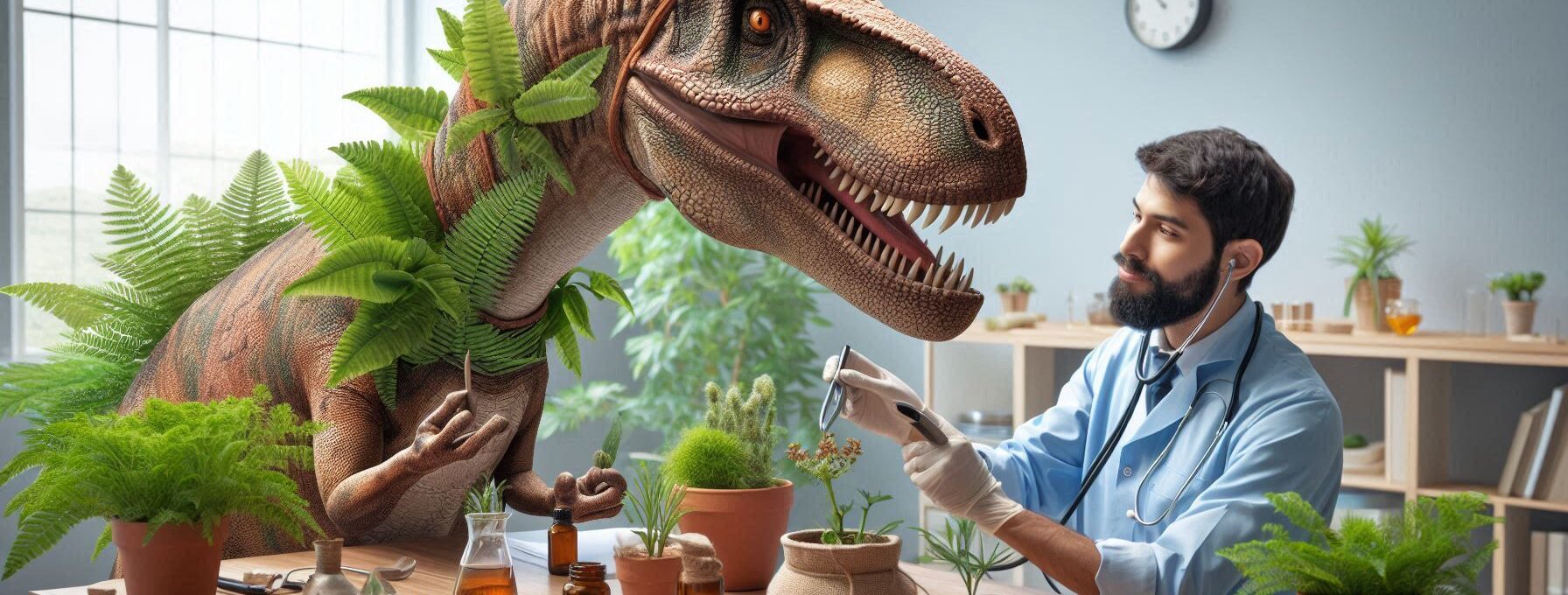
By the way, did you know that many plants we use today have been around since the time of dinosaurs? That’s right! If you were to ask a wise old Diplodocus about its favorite herbs for healing, it might just tell you about chamomile and peppermint.
These two little wonders are not only delicious in tea but also serve as natural remedies.
Chamomile is famous for its calming effects. When life gets overwhelming—like when you're trying to outrun a hungry Velociraptor—a cup of chamomile tea can soothe your nerves.
Imagine sipping on that warm brew while lounging under the stars, just like those gentle giants probably did after a long day of munching leaves.
On the other hand, peppermint is fantastic for digestive issues. Picture this: A Triceratops feeling bloated after an all-you-can-eat fern buffet could easily whip up some peppermint tea to ease its discomfort.
So next time your stomach feels off after dinner (or too many cookies), consider brewing yourself some peppermint tea instead of reaching for over-the-counter meds.
Honey: Nature's Sweet Antidote
Interestingly enough, honey has been used since ancient times as both food and medicine. It’s like the Swiss Army knife of natural remedies!
If I were a dinosaur struggling with cuts or scrapes from an unfortunate run-in with a thorny bush (which sounds plausible given their size), I’d definitely slather on some honey.
Honey isn’t just sweet; it's packed with antibacterial properties that help wounds heal faster. This sticky treat was likely favored by dinosaurs who needed quick fixes after tough encounters in their daily lives.
Just imagine an Ankylosaurus applying honey to its bruises before heading out again!
In addition to wound care, honey can be soothing for sore throats—something any creature would appreciate after roaring too loudly at its friends during playtime!
So don’t hesitate to add some honey to your herbal teas or even enjoy it straight from the jar (not recommended if you're prone to sticky fingers).
Essential Oils: Aromatherapy Straight from Prehistory
Let’s see how essential oils fit into our dino-inspired wellness journey! While dinosaurs didn’t have fancy diffusers or aromatherapy candles (imagine explaining that concept to a Brachiosaurus!), they surely enjoyed various scents found in nature.
Essential oils derived from plants like lavender and eucalyptus have been cherished for centuries due to their therapeutic benefits.
Lavender oil is known for promoting relaxation and better sleep—just think about how much rest those giant beasts needed after roaming vast landscapes all day long!
If I were feeling stressed out like an overwhelmed Pteranodon stuck in traffic behind slow-moving herbivores, I’d reach for lavender oil immediately! Simply rubbing a drop on my wrists or adding it to my bath could create instant tranquility.
Eucalyptus oil is another gem worth exploring—it’s great for respiratory issues. Picture this: A tired dinosaur taking deep breaths while surrounded by eucalyptus trees—what bliss!
For us modern folks facing allergies or colds, inhaling eucalyptus oil can open up airways and provide relief.
Fermented Foods: Digestive Allies Since Day One
Speaking of health benefits, let’s talk about fermented foods because they’ve stood the test of time—even back when dinosaurs roamed freely across lush landscapes!
Foods like yogurt and sauerkraut are excellent sources of probiotics which promote gut health—and we all know how important digestion is!
Imagine if our ancient reptilian friends had access to these magical foods; perhaps they would’ve avoided uncomfortable bloating after feasting on massive amounts of foliage!
Incorporating fermented foods into our diets today helps maintain healthy gut flora—which means fewer tummy troubles overall!
Plus, these foods are incredibly versatile—you can enjoy yogurt as breakfast topped with fruit or mix sauerkraut into salads or sandwiches (just avoid feeding it directly to your pet velociraptor!).
All things considered, adding fermented goodies can transform your meals into nutritious powerhouses reminiscent of what dinosaurs might’ve enjoyed if only they had kitchens!
Mindfulness Practices: Channeling Your Inner Dinosaur
Lastly—and honestly—the secret ingredient in achieving good health lies within ourselves through mindfulness practices inspired by ancient wisdom passed down through generations—including those big lizards we admire so much!
Dinosaurs lived harmoniously within their ecosystems—they understood balance without needing yoga classes or meditation apps!
You can channel this energy by incorporating simple mindfulness techniques into your daily routine such as deep breathing exercises while imagining yourself basking under warm sunlight alongside peaceful brontosauruses grazing nearby.
Consider practicing gratitude each morning before diving headfirst into your busy day—it works wonders like giving thanks before enjoying lunch at Jurassic Café!
By being present and appreciative throughout life’s adventures—noticing everything from butterflies fluttering past grassy meadows—to recognizing everyday miracles—we cultivate resilience against stressors just like resilient creatures did ages ago!
Suggested Resources:
Ancient Remedies We Still Use
https://www.healthline.com/nutrition/ancient-remedies
The Healing Power of Honey
https://www.ncbi.nlm.nih.gov/pmc/articles/PMC3611628/
Essential Oils 101
https://www.webmd.com/vitamins-and-supplements/features/aromatherapy-essential-oils
Fermented Foods Benefits
https://www.healthline.com/nutrition/benefits-of-fermented-foods
Mindfulness Practices Guide
https://www.mindful.org/how-to-practice-mindfulness/
Frequently Asked Questions
What natural herbs are recommended for relaxation in this article?
Chamomile is highlighted for calming nerves and reducing stress, while peppermint tea is recommended to soothe digestive discomfort naturally.
How can honey support natural healing?
Honey has antibacterial properties that may help wounds heal faster and can also soothe sore throats when added to teas or used alone.
Which essential oils are discussed for wellness support?
The article mentions lavender for relaxation and sleep support, and eucalyptus for respiratory relief and easier breathing.
Why are fermented foods considered beneficial?
Fermented foods like yogurt and sauerkraut contain probiotics that support gut health, digestion, and better nutrient absorption.
Can these natural remedies replace modern medicine?
These remedies may complement healthy routines, but they are not intended to replace professional medical treatment when needed.
How can mindfulness improve overall wellness?
Practicing presence, gratitude, and simple breathing techniques can reduce stress, improve mood, and support mental balance.
Are these remedies safe for everyone?
Most are safe for many people, but sensitivity or allergies can occur, so it’s wise to test small amounts and consult a professional if unsure.

Kevin Collier is a passionate nutritionist and wellness advocate dedicated to helping individuals achieve their health goals through balanced eating and sustainable lifestyle choices. With years of experience in the field, Kevin believes in the power of nutritious food to transform lives and specializes in creating articles about diet plans and achieving weight loss goals. When not writing for DietDino, Kevin enjoys exploring new recipes, staying active outdoors, and sharing tips on mindful living.