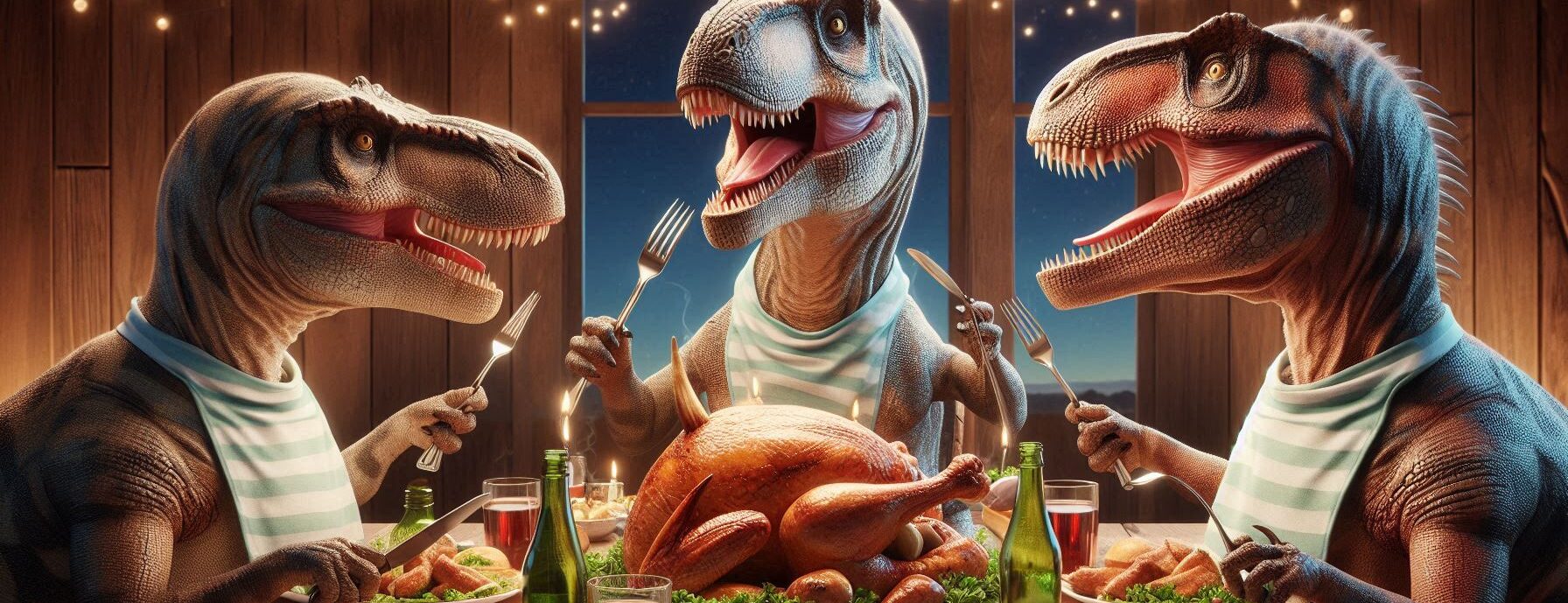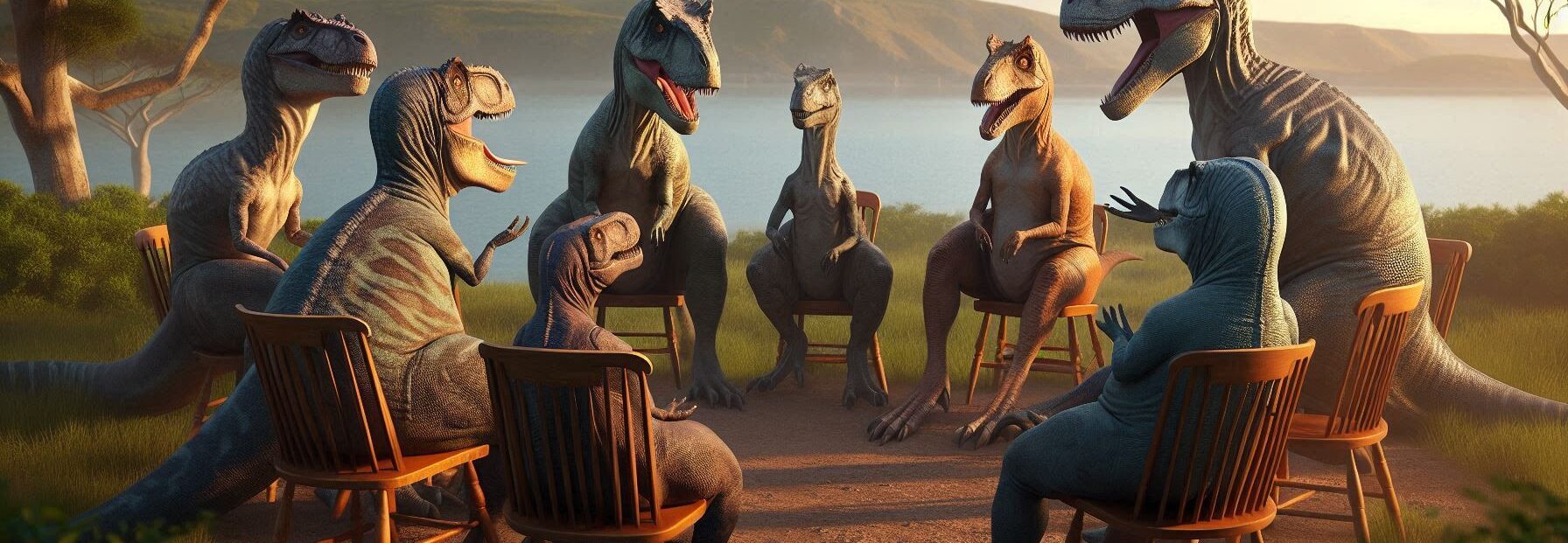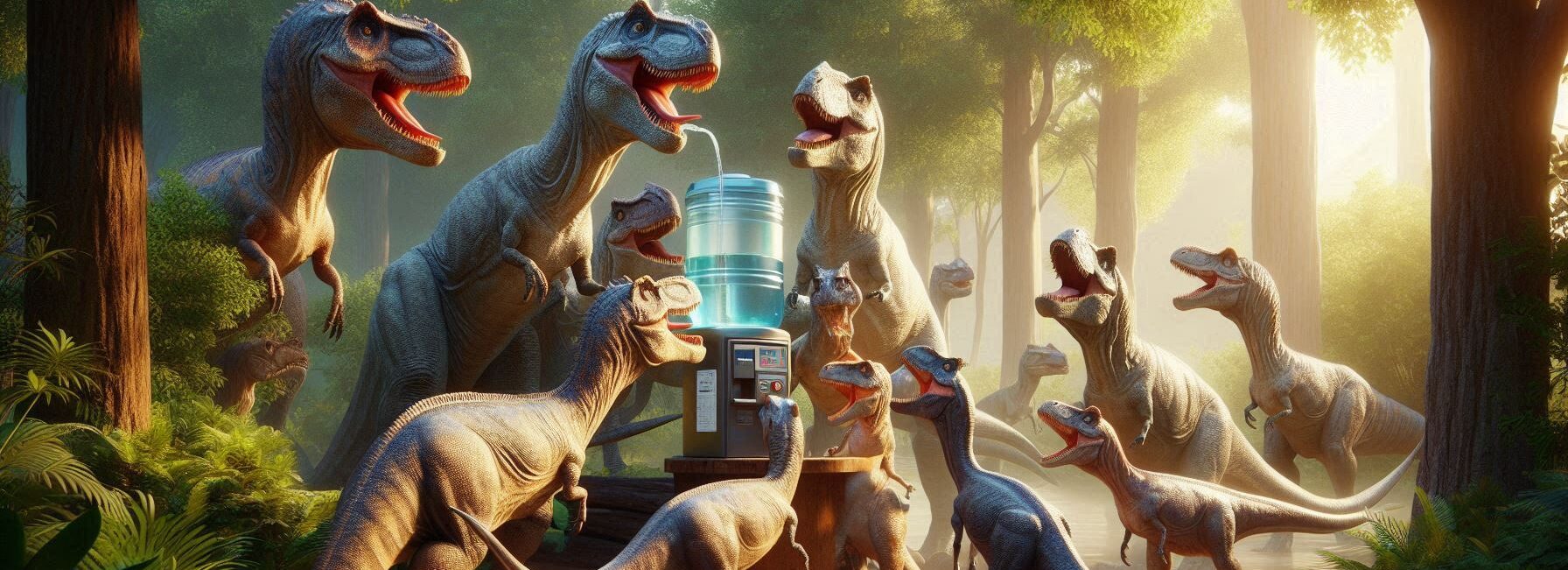
Welcome, fellow adventurers, to the land of wellness! Today, we’re going to tackle a beast that lurks within us all—the inner T-Rex. You know what I mean: that overwhelming urge to devour everything in sight, as if we were in an all-you-can-eat buffet with no end in sight.
But fear not! With some clever strategies inspired by our prehistoric friends, we can learn how to tame this ferocious appetite and embrace a healthier relationship with food.
Top Takeaways and Key Concepts
- Identify Emotional Triggers: Notice when hunger is boredom, stress, or environment-driven.
- Use Smaller Plates: Trick your brain into feeling full with less food.
- Practice Mindful Eating: Slow down, savor each bite, and pause between bites.
- Tune Into Hunger Cues: Stop eating when satisfied and track body signals.
- Prepare Healthy Snacks: Keep nutritious options ready to curb dino-sized cravings.
Article Summary
The article frames overeating as an “inner T-Rex” and provides practical strategies to manage it. It emphasizes recognizing emotional triggers and environmental cues that lead to mindless eating, while promoting portion control through smaller plates and family-style serving. Mindful eating and listening to hunger and fullness cues are highlighted as essential for developing self-awareness and preventing overeating. Hydration is also noted as a key factor in distinguishing true hunger from thirst. Preparing healthy snacks and building supportive habits with community or accountability partners further reinforces sustainable, healthier eating routines.
Video Summary
Please Note: This post may contain affiliate links. If you click one of them, we may receive a commission at no extra cost to you. As an Amazon Associate, I earn from qualifying purchases.
Understanding the T-Rex Within

First things first—let’s take a moment to understand our inner T-Rex. Why does it roar so loudly when dinner time rolls around?
Honestly, it’s often due to emotional triggers or environmental cues that push us toward overeating. Just like dinosaurs had specific survival instincts, we too have ingrained habits that can lead us astray.
Have you ever found yourself mindlessly munching popcorn during a movie? Or maybe you’ve polished off an entire pizza while binge-watching your favorite show?
That’s your inner dinosaur taking over! By recognizing these patterns, we can begin to change them. It’s essential to ask ourselves: Are we eating because we’re hungry or just bored?
Interestingly enough, the environment plays a significant role in our eating habits. If you surround yourself with tempting snacks—like those delicious cookies sitting on the counter—you might find it hard not to indulge.
So let’s start by creating a dino-proof environment where healthy options are front and center!
Portion Control: The Dino-Sized Challenge
Now that we've identified our inner T-Rex, let’s talk about portion control—the key strategy for managing overeating without feeling deprived.
Imagine trying to feed a giant dinosaur; you'd need massive portions! However, we're not dinosaurs (thank goodness), so smaller portions are much more appropriate for our needs.
By the way, using smaller plates can trick your brain into thinking you're eating more than you actually are. This simple switch can make all the difference!
When I first tried it out, I felt like I was dining like royalty—even though my plate was smaller than usual. And who doesn’t love feeling fancy at dinner?
Another helpful tip is to practice mindful eating. This means slowing down and savoring each bite as if it were your last slice of chocolate cake on Earth (a truly terrifying thought!).
Take time between bites; put down your fork and engage in conversation instead of inhaling your meal like a hungry Velociraptor chasing its prey.
Additionally, consider serving meals family-style rather than plating everything beforehand. This allows everyone at the table to choose their portions wisely—and keeps those dino-sized servings from creeping onto our plates!
Listening to Your Body's Signals
Let’s see how important it is to listen closely when our bodies speak up about hunger and fullness cues—much like how dinosaurs would have listened for danger nearby!
One crucial aspect of curbing overeating is tuning into these signals before they become overwhelming.
Have you ever eaten past the point of being full simply because there was still food left on your plate? I’ll admit—I’ve been guilty of this too many times!
To combat this behavior, try pausing midway through your meal and asking yourself whether you're still hungry or if you've reached satisfaction.
To be fair, learning these cues takes practice—it won’t happen overnight—but keeping track of how different foods make you feel after eating can help develop awareness over time.
Keeping a food diary could be beneficial here; jotting down thoughts about meals might reveal patterns worth exploring further.
Speaking of which—hydration plays an essential role too! Sometimes what feels like hunger is merely dehydration masquerading as cravings. So next time you think about reaching for snacks between meals, grab some water first and see if that helps!
Finding Alternatives: Healthy Dino Snacks
As any good explorer knows—sometimes detours lead us to unexpected treasures! In this case, finding healthier snack alternatives will keep your inner T-Rex satisfied without derailing progress toward wellness goals.
Instead of reaching for chips or sugary treats when cravings hit (which can trigger even more cravings), consider swapping them out for crunchy veggies paired with hummus or fruit slices drizzled with yogurt dip—a tasty yet nutritious option!
And honestly speaking—there are countless recipes available online today featuring creative combinations that satisfy both taste buds and health requirements alike!
Try browsing Pinterest for inspiration—you may stumble upon ideas so delightful they'll make even a Diplodocus stop grazing just long enough for seconds!
All things considered then again… preparing healthy snacks ahead of time ensures they're readily available whenever hunger strikes unexpectedly throughout busy days!
Building Supportive Habits
Finally—and perhaps most importantly—we must cultivate supportive habits surrounding food choices while taming our inner dinosaurs together!
Surrounding ourselves with positive influences makes all aspects easier—from accountability partners who encourage better decisions during outings together right down through shared cooking adventures at home.
Consider joining community groups focused on nutrition or fitness activities; engaging alongside others provides motivation needed during challenging moments along this journey toward healthier living practices overall—not unlike working together as herds did back in prehistoric times!
So let me ask you—what small changes could positively impact daily routines moving forward? Think about implementing one new habit weekly until those actions become second nature over time; before long you'll realize just how far you've come since starting out!
In conclusion—as daunting as taming an inner T-Rex may seem initially—with patience persistence determination—and perhaps even some laughter along way—we’ll emerge victorious against urges driving overeating tendencies once thought insurmountable!
Suggested Resources:
Healthy Eating Tips
https://www.healthyeating.gov
Mindful Eating Practices
https://www.eatright.org/health/wellness/mindful-eating
Portion Control Guide
https://www.choosemyplate.gov/eathealthy/portion-control
Frequently Asked Questions
How can emotional triggers affect overeating?
Emotional triggers like boredom, stress, or habit can make you eat when you are not physically hungry. Identifying these moments helps reduce mindless eating.
Do smaller plates actually help with portion control?
Yes. Smaller plates create a visual illusion of more food and help you feel satisfied with less while preventing oversized servings.
What is mindful eating?
Mindful eating means slowing down, savoring each bite, and paying attention to taste, texture, and fullness so you stop when satisfied.
How can I better recognize hunger cues?
Pause during meals and ask if you are still hungry or simply continuing out of habit. These small check-ins retrain your awareness over time.
Can dehydration make me think I’m hungry?
Yes. Thirst is often mistaken for hunger. Drinking water first before snacking can prevent unnecessary eating.
What are healthy snack alternatives to avoid overeating?
Fresh fruits, veggies with hummus, or yogurt-based dips provide nutrition and help you stay full without excess calories.
How do supportive habits help curb overeating long term?
Preparing healthier snacks, creating positive environments, and connecting with others focused on wellness helps reinforce consistent eating patterns.

Kevin Collier is a passionate nutritionist and wellness advocate dedicated to helping individuals achieve their health goals through balanced eating and sustainable lifestyle choices. With years of experience in the field, Kevin believes in the power of nutritious food to transform lives and specializes in creating articles about diet plans and achieving weight loss goals. When not writing for DietDino, Kevin enjoys exploring new recipes, staying active outdoors, and sharing tips on mindful living.