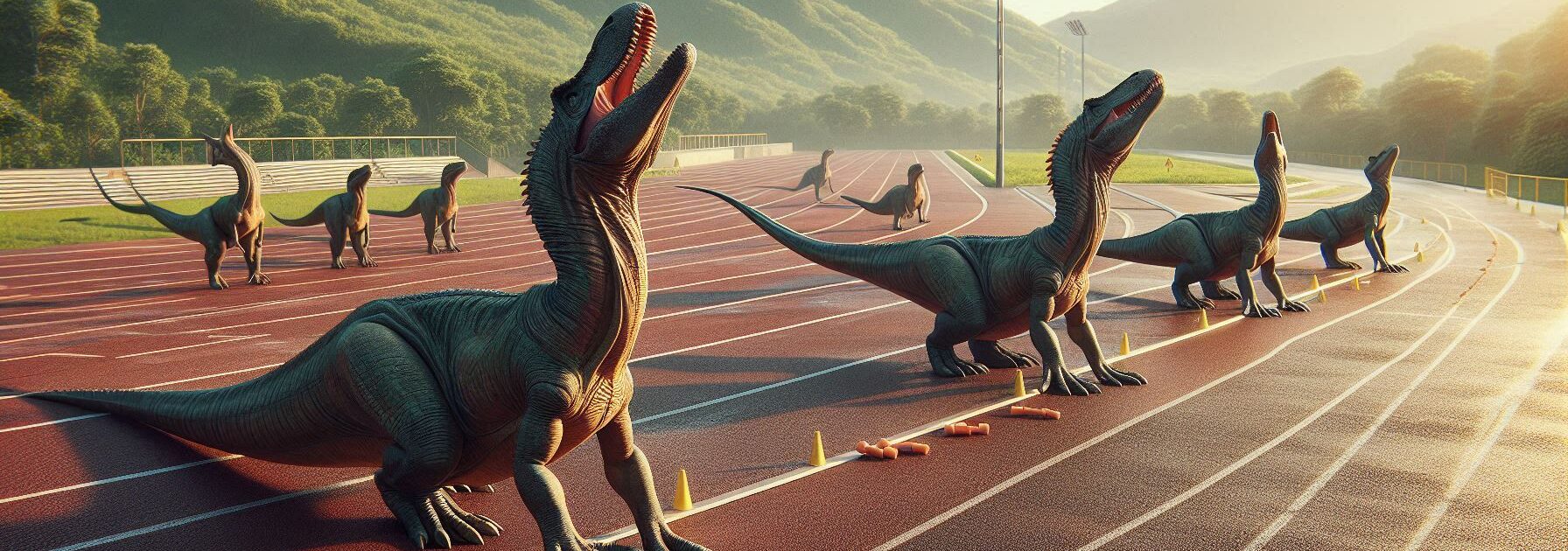
Welcome to the world of fossilized fitness! You might be wondering what on Earth that means, and trust me, it’s not as boring as it sounds.
Imagine if dinosaurs had a gym. What would their workouts look like? Would they lift boulders or do squats with giant tree trunks?
Top Takeaways and Key Concepts
- Perform planks daily to strengthen your core, back, shoulders, and glutes.
- Incorporate squats to build leg strength and improve balance safely.
- Use interval sprints to boost cardiovascular endurance and mimic predator-prey dynamics.
- Stretch regularly with yoga-style poses to maintain flexibility and prevent injuries.
- Visualize success to cultivate mental toughness and stay motivated during workouts.
Article Summary
This article uses dinosaur-inspired fitness to illustrate a balanced exercise routine. Core strength is emphasized through planks, while squats build leg power and stability. Cardiovascular health is enhanced with interval sprints, simulating the speed and agility of velociraptors. Flexibility is maintained through yoga-style stretches, keeping muscles limber and reducing injury risk. Mental toughness is highlighted as essential, with visualization techniques helping maintain motivation and resilience. Combining strength, cardio, flexibility, and mindset creates a well-rounded prehistoric-inspired fitness approach.
Video Summary
Let’s dig deep into some timeless exercises inspired by our prehistoric pals and see how we can incorporate them into our modern lives.
The Power of the Plank: Channeling Your Inner Brontosaurus
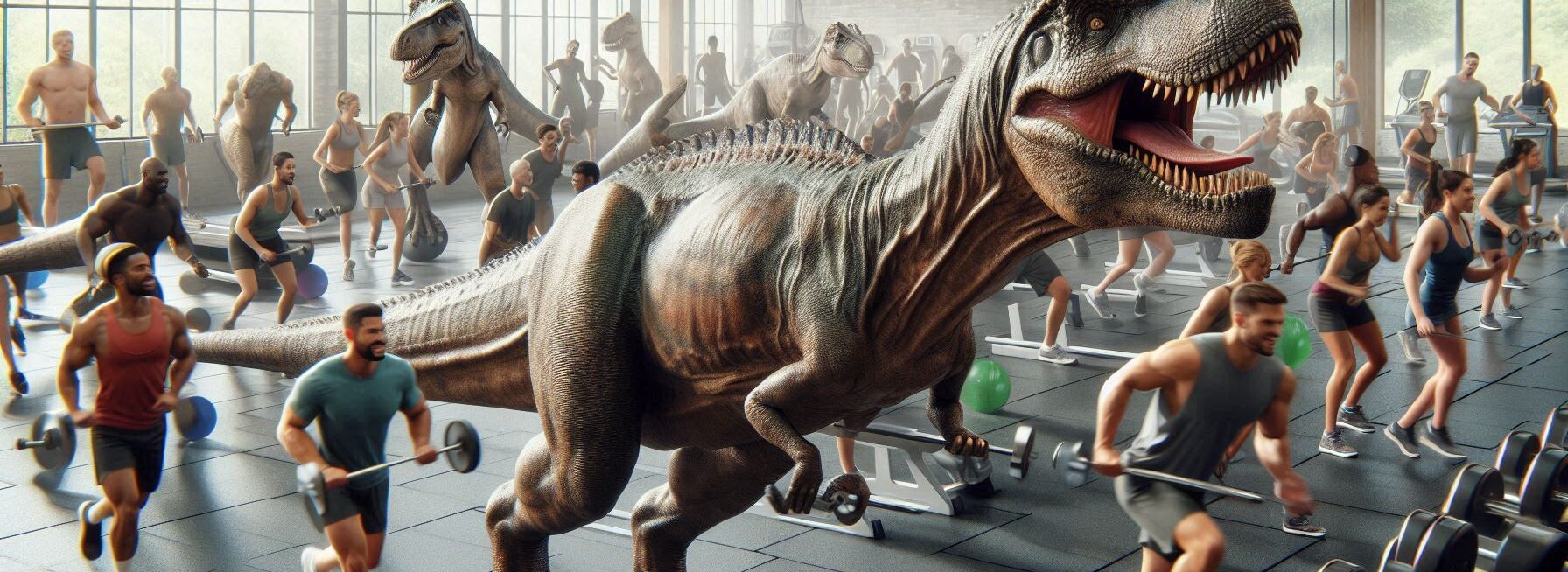
Let’s start with the plank—a move so simple yet powerful that even a brontosaurus could appreciate it. Picture this: a massive dinosaur, stretching its long neck towards the treetops while balancing on four sturdy legs.
That’s kind of what you want to achieve with a plank—strengthening your core while maintaining balance.
To get started, lie face down on the ground and then lift yourself onto your forearms and toes. Keep your body in a straight line from head to heels.
By the way, if you feel like a fallen log during this exercise, don’t worry; logs are essential in nature too!
Hold that position for 20-30 seconds at first, gradually increasing your time as you build strength. I think we can all agree that holding still is easier than running from predators—just ask any dino about its cardio routine!
Interestingly enough, planks engage multiple muscle groups: your abs, back, shoulders, and even glutes! So, every time you hold that position like a true dinosaur warrior, remember you’re channeling centuries of evolutionary prowess.
Squats: The Dino’s Way to Strengthen Those Legs
Now let’s talk about squats—the perfect way to strengthen those legs just like our dinosaur friends did when they roamed vast plains searching for food (or dodging T-Rexes).
Imagine how many squats a triceratops must have done just to stay balanced while charging through thick underbrush!
To perform a squat correctly, stand tall with feet shoulder-width apart. Lower yourself down as if sitting back into an imaginary chair—keep those knees behind your toes!
As you descend, visualize being chased by something scary (like my Aunt Edna after she hears there’s cake involved).
Honestly speaking, one of the best parts about squats is their versatility. You can add weights or resistance bands for an extra challenge or even try jump squats if you’re feeling particularly brave (or foolish).
As you rise back up from each squat repetition, think about how these movements mimic what dinosaurs needed to do daily—whether fleeing danger or simply reaching for lunch.
Cardio Chaos: Running Like a Velociraptor
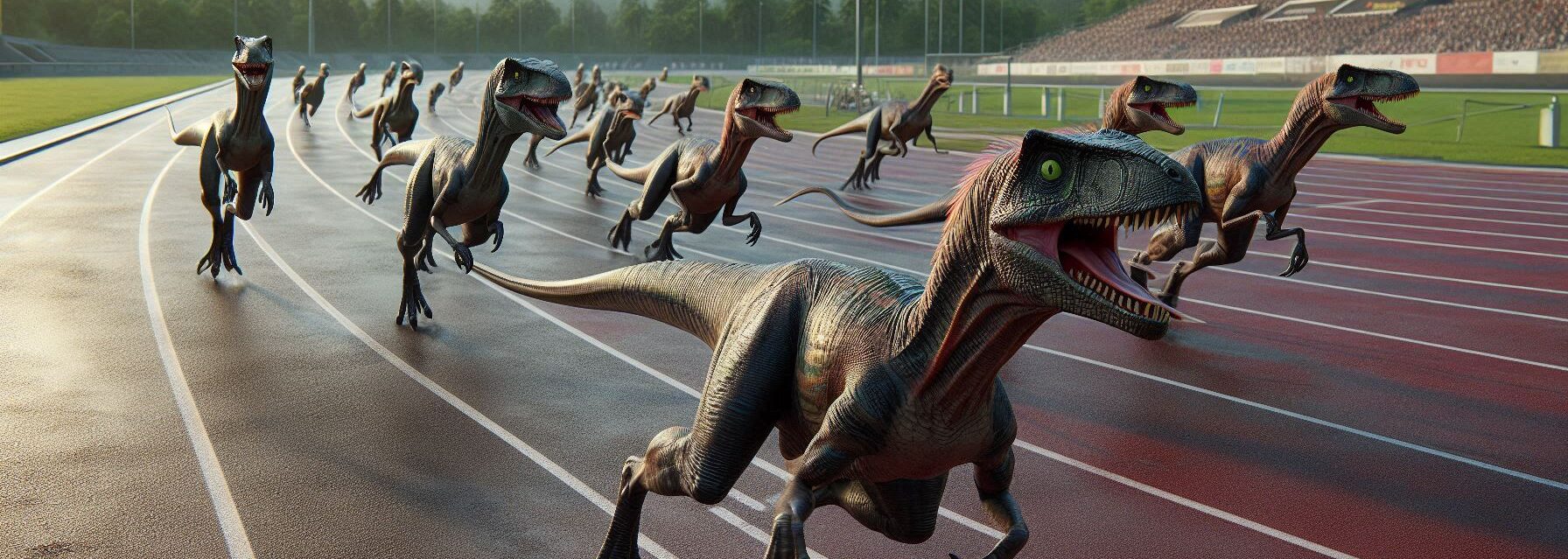
If there’s one thing velociraptors were known for besides their terrifying screams and ferocious hunting skills—it was speed! These little guys were built for cardio chaos; they sprinted after prey faster than I can reach for pizza during movie night.
So how do we incorporate this dino-inspired cardio into our routines? Start by finding an open space where you won’t trip over anything (unlike me who once tripped over my own shoelaces).
Begin with short sprints—run full throttle for 20-30 seconds before walking or jogging slowly for recovery.
Speaking of which… interval training mimics that classic predator-prey chase dynamic. It keeps your heart rate up while building stamina over time.
Honestly though? If I had been around during prehistoric times chasing after fast-moving creatures instead of pizza slices—I’d probably need more than just cardio!
As always remember safety first; stretch adequately before diving headfirst into these high-speed sessions unless you want to end up resembling an injured stegosaurus lying awkwardly on the ground.
Flexibility Fit: Stretching Like a Diplodocus
Ah yes—the gentle giants of the Jurassic period! Stretching is crucial in any fitness regime because nobody wants to pull a muscle trying to channel their inner diplodocus by bending backwards gracefully (trust me).
Incorporate yoga-style stretches such as downward dog or cat-cow poses into your routine. These moves help maintain flexibility much like how those long-necked herbivores reached high branches without getting stuck between trees!
Let’s see… start each session with deep breathing exercises followed by simple stretches targeting major muscle groups such as hamstrings and quadriceps. This will keep everything limber—not unlike those majestic dinosaurs roaming freely across ancient landscapes.
I think we all know someone who could benefit from some serious stretching lessons—they may resemble more of an upright rock than anything else at times!
Mind Over Matter: Cultivating Mental Toughness
Finally—but certainly not least—we must address mental toughness! Just imagine facing life in prehistoric times where survival depended on quick thinking combined with physical prowess (not unlike navigating modern-day traffic!).
Building resilience doesn’t require fancy equipment but rather dedication toward overcoming obstacles along our journey toward health goals just like dinosaurs faced threats daily!
Visualize success before embarking upon workouts; envision yourself conquering challenges ahead just as mighty raptors hunted fearlessly amidst dangers lurking nearby.
To be fair though… it’s also important not only focus solely on pushing boundaries physically but also mentally nurturing ourselves throughout this process too—after all happiness fuels motivation better than mere numbers ever could!
Suggested Resources:
Dinosaurs & Exercise
https://www.dinosaurexercise.com/
The Benefits Of Stretching
https://www.healthline.com/health/benefits-of-stretching
Interval Training Explained
https://www.runnersworld.com/uk/training/a776678/the-benefits-of-interval-training/
Frequently Asked Questions
What muscles do planks primarily strengthen?
Planks work the core, back, shoulders, and glutes while improving stability and posture.
How do squats help with overall fitness?
Squats build leg strength, improve balance, and support daily movement patterns.
Why are interval sprints recommended?
Interval sprints elevate heart rate quickly and improve cardio endurance in shorter bursts of time.
How does stretching support dinosaur-style training?
Regular stretching maintains flexibility, reduces injury risk, and keeps muscles functioning smoothly.
Is mental toughness really important in fitness?
Visualization boosts motivation and helps you stay consistent during challenging workouts.
How long should planks be held for beginners?
Beginners may start around 20 to 30 seconds then gradually hold longer as strength increases.
Can these exercises be done without gym equipment?
Yes, these moves require little to no equipment and can be performed at home or outdoors.

Kevin Collier is a passionate nutritionist and wellness advocate dedicated to helping individuals achieve their health goals through balanced eating and sustainable lifestyle choices. With years of experience in the field, Kevin believes in the power of nutritious food to transform lives and specializes in creating articles about diet plans and achieving weight loss goals. When not writing for DietDino, Kevin enjoys exploring new recipes, staying active outdoors, and sharing tips on mindful living.